
GIG Holey Carbon Grids for Cryo-EM
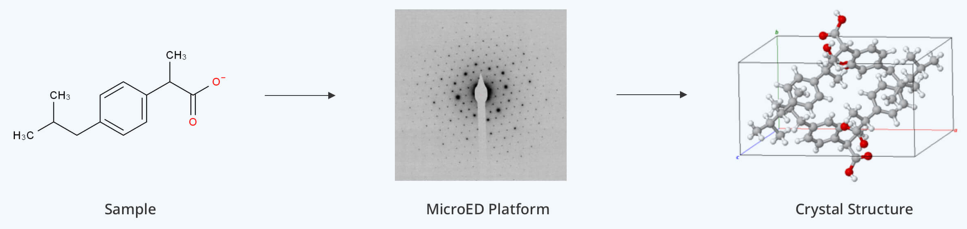
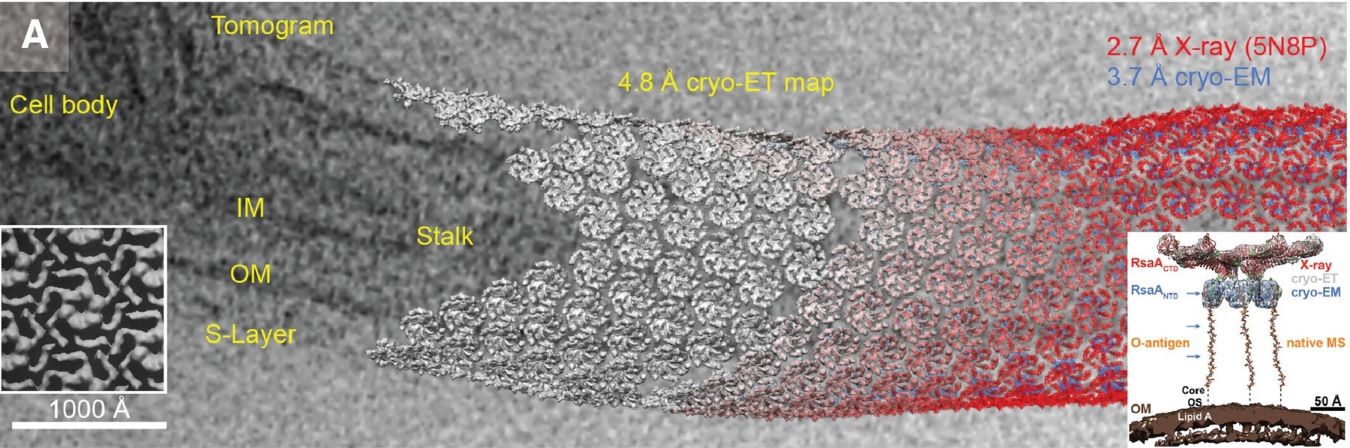
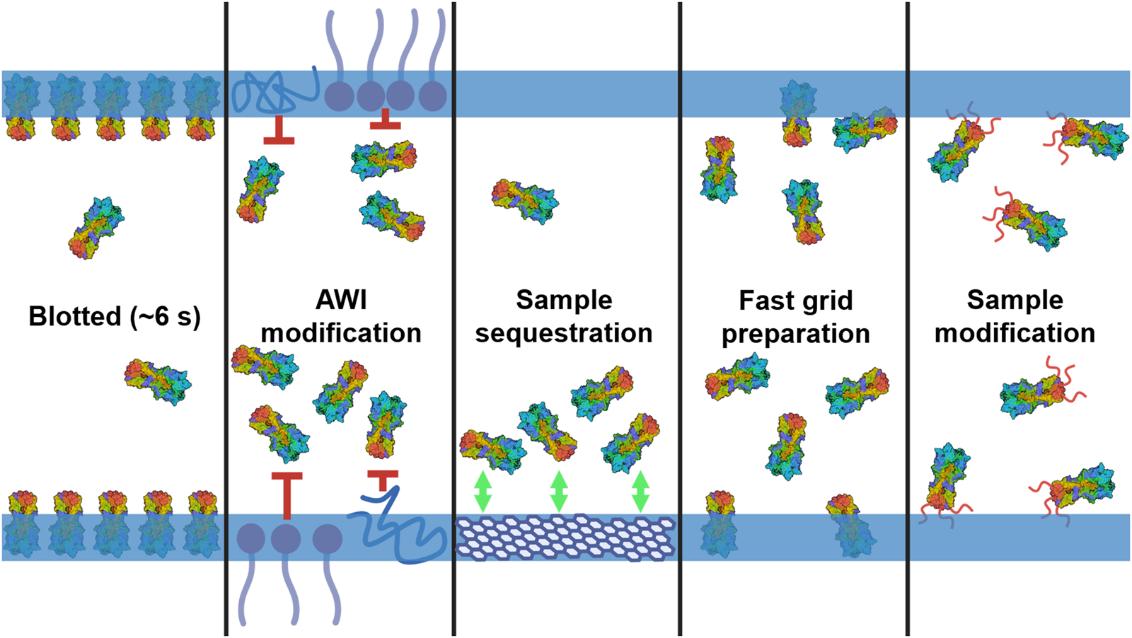
Achieve reproducible, artifact-free cryo-EM data with GIG grids — photolithographically defined holey carbon supports engineered for single-particle analysis (SPA), electron tomography (ET), and micro-electron diffraction (MicroED). Four hole patterns, three mesh materials, and flexible pack sizes give every structural biology laboratory a grid optimized for their sample and workflow.
Talk to a Technical Expert View Products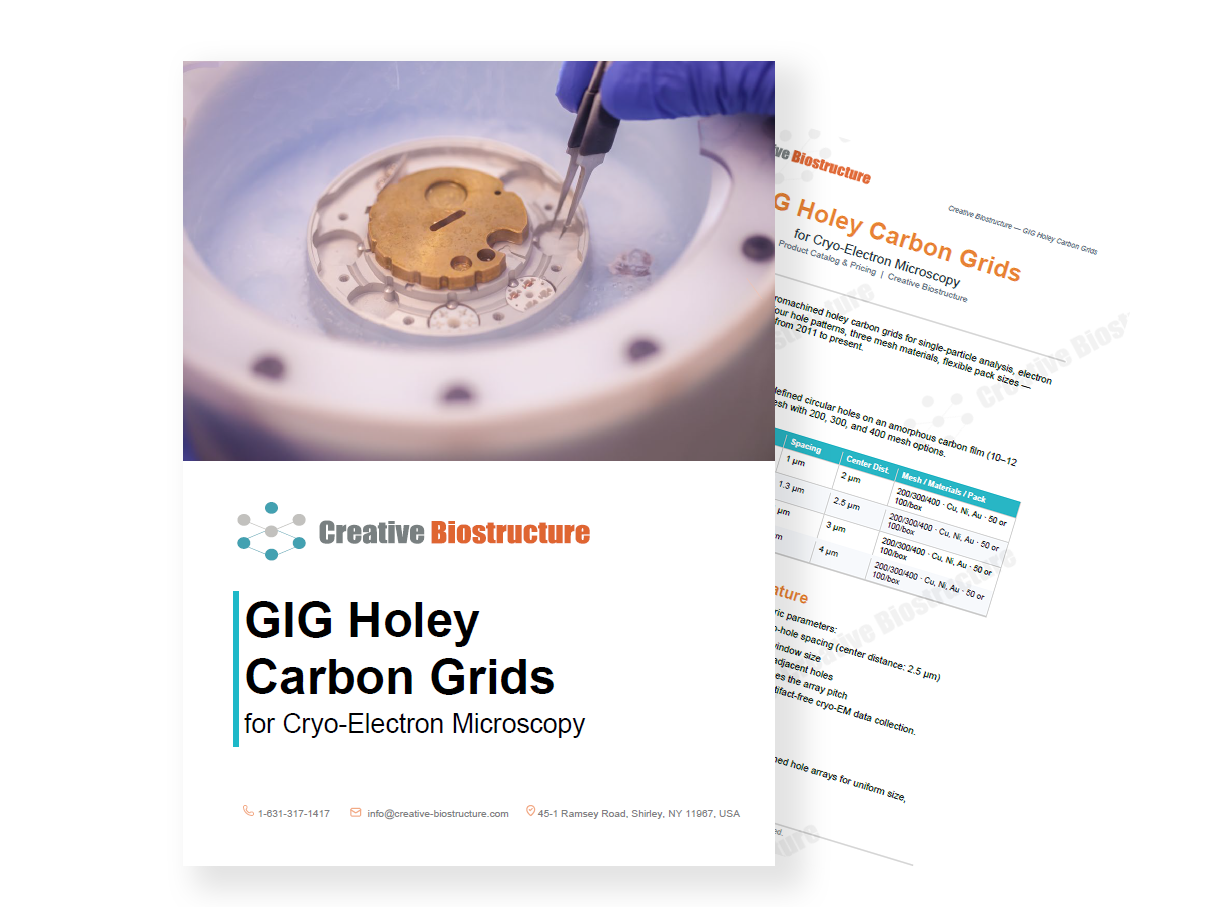
Trusted Solutions Recognized by Industry Innovators
Precision-manufactured micromachined holey carbon grids for single-particle analysis, electron tomography, and MicroED. Four hole patterns, three mesh materials, flexible pack sizes — trusted in published research from 2011 to present.








What Are GIG Holey Carbon Grids?
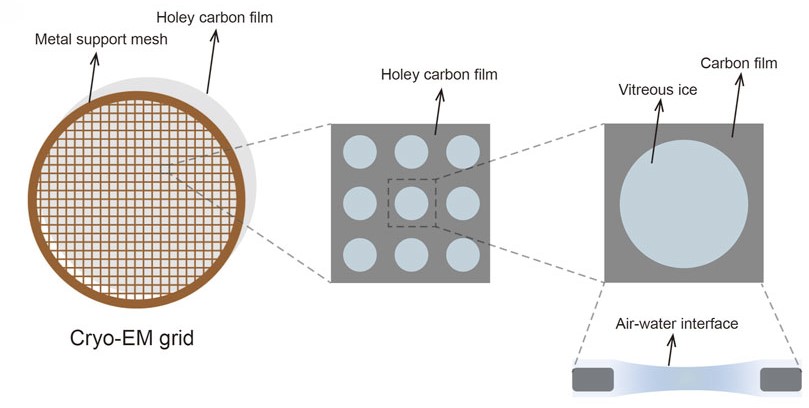
GIG holey carbon grids are micromachined cryo-EM supports manufactured by photolithography — the same semiconductor-grade patterning technology used in integrated circuit fabrication. Each grid carries a precisely defined array of circular holes on a thin amorphous carbon film (10–12 nm) cast over a metal mesh. When a sample is vitrified across these holes, ice-suspended molecules are imaged against vacuum rather than carbon, maximizing contrast and resolution.
Unlike conventional supports with poorly defined or random holes, GIG grids guarantee hole diameter, hole-to-hole spacing, and array regularity down to sub-micron tolerances — critical for automated data collection pipelines such as EPU, SerialEM, and cryoSPARC Live, where grid-square targeting relies on predictable geometry.
GIG Holey Carbon Grid Catalog
All GIG grid models are available in copper (Cu), nickel (Ni), and gold (Au) mesh with 200, 300, or 400 mesh density, in packs of 50 or 100 grids. Use the table below to identify the model that best matches your target particle size and imaging strategy.
| Cat No. | Hole Type | Hole Ø | Spacing | Pitch | Best For | Inquiry |
|---|---|---|---|---|---|---|
| GIG-1010 | R1/1 | 1.0 µm | 1.0 µm | 2.0 µm | High-density array; small particles (<200 kDa); dense packing SPA | Inquiry |
| GIG-1213 | R1.2/1.3 | 1.2 µm | 1.3 µm | 2.5 µm | Versatile all-round; 200 kDa–1 MDa SPA and ET | Inquiry |
| GIG-2010 | R2/1 | 2.0 µm | 1.0 µm | 3.0 µm | Large complexes (>1 MDa); high-tilt electron tomography | Inquiry |
| GIG-2020 | R2/2 | 2.0 µm | 2.0 µm | 4.0 µm | Largest window; MicroED; thick-ice samples | Inquiry |
Hole Geometry & Nomenclature
The GIG model number encodes the key geometric parameters:
GIG-1213 = 1.2 µm hole diameter + 1.3 µm hole-to-hole spacing (center distance: 2.5 µm)
- Hole Diameter — determines the imaging window size
- Hole Spacing — carbon bar width between adjacent holes
- Center Distance — diameter + spacing; defines the array pitch
All holes are guaranteed clean and polymer-free for artifact-free cryo-EM data collection.
Pricing Overview
| Mesh Material | Mesh Options (lines/inch) | 50 grids/box | 100 grids/box |
|---|---|---|---|
| Copper (Cu) | 200 / 300 / 400 | $666 | $1,200 |
| Nickel (Ni) | 200 / 300 / 400 | $830 | $1,495 |
| Gold (Au) | 200 / 300 / 400 | $1,278 | $2,301 |
300 and 400 mesh available at the same price for all models. Contact us for specific mesh/model combinations.
Choosing the Right Mesh Material
The metal mesh underlying the carbon film affects X-ray background, sample chemistry, beam-induced motion, and overall image quality. Select based on your detector, sample sensitivity, and resolution target.
| Mesh Material | Copper (Cu) | Nickel (Ni) | Gold (Au) |
|---|---|---|---|
| X-ray fluorescence | Background present | Low background | Negligible background |
| Chemical stability | Moderate (oxidizes) | High | Highest (inert) |
| Magnetic susceptibility | Diamagnetic | Ferromagnetic — avoid with MRI-compatible TEM | Diamagnetic |
| Recommended use | Standard SPA; cost-effective screening | Cu-sensitive samples; detergent/nanodisc proteins | Highest-resolution SPA; cryo-ET; demanding samples |
Copper (Cu) Grids — Best Value
The industry-standard choice for the vast majority of cryo-EM projects. Copper mesh provides excellent mechanical rigidity, predictable beam behavior, and the lowest cost per dataset. Recommended as the default starting point for new samples and high-throughput screening campaigns.
- Widest compatibility with existing cryo-EM protocols and literature
- 200, 300, and 400 mesh available
- Suitable for EPU, SerialEM, and cryoSPARC Live automation
Nickel (Ni) Grids — Reduced Metal Toxicity
Preferred when sample components interact adversely with copper ions that leach from the mesh at low pH or in the presence of chelating agents. Nickel grids provide comparable mechanical performance at a moderate price premium and are widely used for membrane protein samples in detergent or nanodisc formulations.
- Prevents copper-mediated sample degradation
- Ideal for detergent-solubilized or amphipol-stabilized membrane proteins
- Lower X-ray fluorescence background than Cu
Gold (Au) Grids — Highest Resolution
Gold mesh grids are the preferred support for resolutions approaching or exceeding 2 Å. The advantages are threefold: gold is chemically inert (no ion leaching); gold expands under cryogenic cooling in a way that reduces beam-induced motion in the carbon film; and gold generates negligible X-ray fluorescence, eliminating a source of background noise in energy-filtered TEM.
- Minimized beam-induced motion — enabled by gold thermal expansion coefficient
- Chemically inert — safe for pH-sensitive, metal-sensitive, or ligand-bound samples
- Negligible X-ray fluorescence — cleaner EFTEM data
- Recommended for highest-resolution SPA and for challenging sample chemistries
Full Technical Specifications
The following specifications apply to all GIG holey carbon grid models unless otherwise stated.
| Parameter | Specification |
|---|---|
| Carbon film thickness | 10–12 nm (amorphous carbon) |
| Film deposition method | Thermal evaporation under high vacuum |
| Hole shape | Circular; defined by photolithography |
| Hole diameter tolerance | ±0.1 µm from nominal |
| Grid diameter | 3.05 mm (standard cryo-EM grid format) |
| Mesh materials | Copper (Cu), Nickel (Ni), Gold (Au) |
| Mesh densities | 200, 300, 400 lines/inch |
| Hole patterns | R1/1 (GIG-1010), R1.2/1.3 (GIG-1213), R2/1 (GIG-2010), R2/2 (GIG-2020) |
| Pack sizes | 50 grids/box or 100 grids/box |
| Cleanliness guarantee | Polymer-free; no residual photoresist |
| Automation compatibility | FEI/Thermo Fisher EPU, SerialEM, Leginon, cryoSPARC Live |
| Autoloader compatibility | Titan Krios, Glacios, Talos Arctica, JEOL CRYO ARM |
| Storage | Room temperature, sealed, dry; avoid humidity and direct light |
| QC | Optical and electron microscopy inspection per lot |
Why Choose GIG Grids?
- Lithographic Precision: Photolithographically defined hole arrays for uniform size, shape, and positioning.
- Ultra-Thin Carbon Film: 10–12 nm amorphous carbon with minimal thickness variation.
- Three Mesh Materials: Copper, Nickel, and Gold mesh options for diverse sample chemistry.
- Automation Ready: Compatible with EPU, SerialEM, Leginon, and cryoSPARC Live.
- Four Hole Patterns: R1/1, R1.2/1.3, R2/1, and R2/2 for diverse data collection strategies.
- Flexible Packaging: 50 and 100 grid packs. Bulk and custom orders available.
Published Studies Using GIG Grids
The following peer-reviewed studies used GIG holey carbon grids for data collection. Achieved resolutions demonstrate consistent high-performance vitrification and imaging across diverse biological systems.
| Year | Sample & Resolution | Grid Used | Reference |
|---|---|---|---|
| 2025 | hTRPC3 membrane protein, 2.72 Å | GIG (1/1) Cu | Zang J, Shi Y, Tao W, et al. Unveiling eukaryotic membrane proteins in high resolution using peptide solubilization. Journal of Molecular Biology. 2025: 169467. |
| 2020 | CsgG-CsgF secretion channel, 2.9 Å | GIG R1/1 (Cu) | Zhang M, Shi H, Zhang X, et al. Cryo-EM structure of the nonameric CsgG-CsgF complex and its implications for controlling curli biogenesis in Enterobacteriaceae. PLoS Biology. 2020, 18(6): e3000748. |
| 2019 | Pre-60S ribosome, 3.65 Å | GiG R422 | Zhou D, Zhu X, Zheng S, et al. Cryo-EM structure of an early precursor of large ribosomal subunit reveals a half-assembled intermediate. Protein & Cell. 2019, 10(2): 120-130. |
| 2011 | Cypovirus (CPV), 3.9 Å | GiG 200-mesh | Cheng L, Sun J, Zhang K, et al. Atomic model of a cypovirus built from cryo-EM structure provides insight into the mechanism of mRNA capping. PNAS. 2011, 108(4): 1373-1378. |

3.65 Å Pre-60S Ribosome Cryo-EM Structure.
Pre-60S Ribosome — 3.65 Å Resolution
Half-assembled intermediate of the large ribosomal subunit, with 12 assembly factors and 19 ribosomal proteins modeled. Data collected on GiG R422 holey carbon grids using Titan Krios 300 kV.
Figure reproduced from: Zhou, Zhu, Zheng et al. Protein & Cell 10, 120–130 (2019). doi:10.1007/s13238-018-0526-7 — Licensed under CC BY 4.0.

2.9 Å CsgG-CsgF Secretion Channel Structure
CsgG-CsgF Secretion Channel — 2.9 Å Resolution
Structure of the E. coli curli biogenesis secretion machinery, revealing a unique two-constriction channel. Data collected on GIG R1/1 (Cu) grids using Talos Arctica with K2 detector.
Figure reproduced from: Zhang, Shi, Zhang et al. PLoS Biology 18, e3000748 (2020). doi:10.1371/journal.pbio.3000748 — Licensed under CC BY 4.0.
What Our Customers Say
FAQs About Our GIG Grids
Which hole pattern should I use for my sample?
Practical guide: particles <200 kDa → GIG-1010 (R1/1) for maximum hole density; 200 kDa–1 MDa general SPA → GIG-1213 (R1.2/1.3) for best balance of window size and density; large complexes >1 MDa or sub-tomogram averaging → GIG-2010 (R2/1); MicroED or very thick ice → GIG-2020 (R2/2) for the widest window.
Why should I use gold-mesh grids instead of copper?
Three reasons matter most at highest resolution: (1) gold is chemically inert — no ion leaching that can denature sensitive samples; (2) gold's thermal expansion under cryogenic conditions reduces beam-induced motion amplitude in the carbon film; (3) gold generates negligible X-ray fluorescence, reducing background in energy-filtered TEM. The cost premium is justified for sub-3 Å resolution goals or metal-sensitive samples.
What mesh density should I choose?
200-mesh: larger squares (~130 µm), more imaging area per square, slightly less mechanical support. 300-mesh: the most widely used compromise (~85 µm squares). 400-mesh: maximum support (~65 µm squares), preferred for frequent handling or autoloaders that exert higher mechanical stress. All three mesh densities are available for every GIG model and material at the same price.
Can GIG grids be used with glow-discharge or plasma cleaning?
Yes. GIG grids respond to standard glow-discharge (air or amylamine atmosphere, 15–60 s) and plasma cleaning (Solarus, Fischione 1020) in the same way as other commercial holey-carbon grids. Optimize treatment parameters per sample; start from conditions used for your current grid type and adjust to achieve your target contact angle.
What are the minimum order quantity and lead times?
Standard catalog items (50 or 100 grids/box) are in stock and typically ship within 3-5 business days. Bulk orders (>500 grids of a single model/material) may require 1-2 weeks. Custom configurations: 4-6 weeks from order confirmation. Contact us for institutional or standing-order agreements.

-1.jpg)

Ready to Improve Your Cryo-EM Data Quality?
Get A Free Quote Now →Whether you are setting up a new cryo-EM project, scaling up to automated data collection, or pushing toward sub-2 Å resolution, GIG grids provide the precision and reliability your research demands. Contact our team to select the right hole pattern and mesh material, request a sample, or place a bulk order.
Online Inquiry
This site is protected by reCAPTCHA and the Google Privacy Policy and Terms of Service apply.

