Inquiry Basket
| Your inquiry basket is currently empty. |
Explore virus-like particle products by virus family, virus name, and catalog number. Compare composition and expression source to find the right starting point for your research.
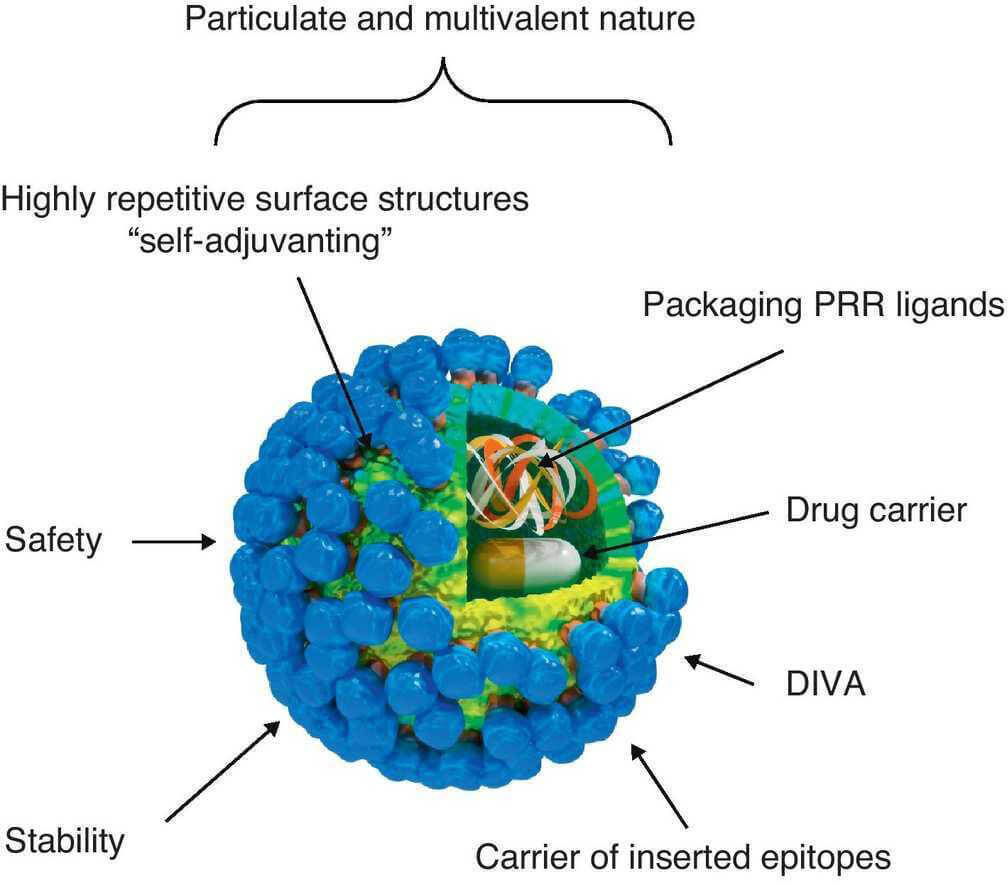
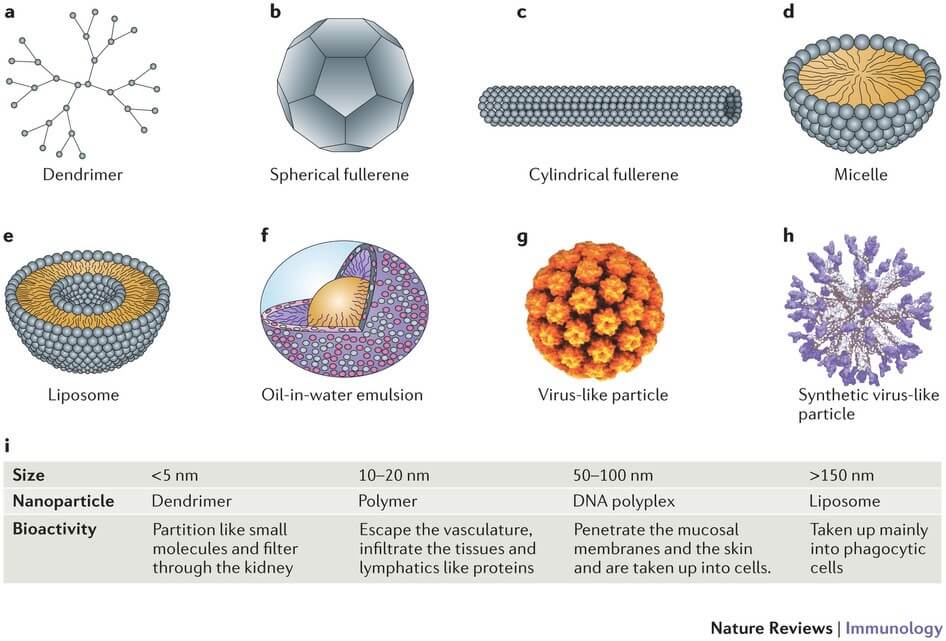
Virus-like particles (VLPs) are assemblies of viral structural proteins that resemble aspects of a virus without the complete viral genome needed for autonomous replication. Their architecture can present repeated antigenic features for virology, immunization, and antibody research.
Creative Biostructure offers VLP products with sources including recombinant E. coli, yeast, insect cells, and HEK293 cells. Composition and source vary by product; a shared virus name does not make two constructs interchangeable.
Explore SARS-CoV-2-related constructs, including products with different structural protein combinations and reporter formats.
Review COVID-19 products →Browse catalog VLP products across multiple viruses and expression sources. Check the individual product specifications for your application.
Browse catalog products →Choose a catalog family to view its product listings.
Search the virus-name directory or browse A–Z. For a catalog number or product-specific keyword, open the complete VLP catalog.
Search controls are unavailable. You can still browse all virus-name links below or open the complete catalog.
107 virus names
Examples from the Off-The-Shelf VLP Products collection. Open each product for its complete specifications.
| Cat. No. | Product Name | Source | Price |
|---|---|---|---|
| CBS-V641 | HPV16 VLP (L1 Proteins) | E. coli recombinant | |
| CBS-V946 | HPV39 VLP (L1 Proteins) | E. coli recombinant | |
| CBS-V065 | Chikungunya Virus VLP (E1, E2, C Proteins) | Mammalian cell recombinant | |
| CBS-V562 | Canine parvovirus virus VLP (VP2 Proteins) | Insect cell recombinant | |
| CBS-V952 | COVID-19 VLP (M; S; E Proteins) | Insect cell recombinant | |
| CBS-V926 | COVID-19 VLP (S; GFP Protein) | Pseudotyped lentivirus |
Availability, pricing, and delivery timing are confirmed during inquiry.
Selection guide
Start with the biological question, then review the product-level evidence that matters to your assay.
01
Match the virus, strain or serotype, structural proteins, and displayed antigen to the biological question.
02
Review expression source, envelope status, and whether the entry is a conventional VLP or a pseudotyped particle.
03
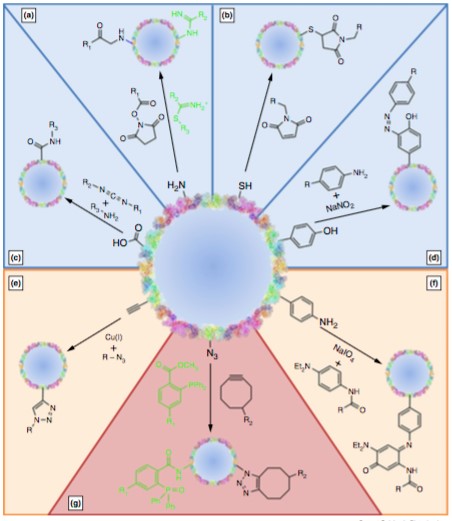
Consider epitope accessibility, reporter requirements, conjugation needs, and compatibility with your assay buffer.
04
Check the listed concentration, formulation, storage, and available quality data. Requirements vary by catalog item.
Before requesting a quote
Share the catalog number or target virus, intended assay, required quantity, buffer constraints, and any essential characterization data. If a specification is not listed, request confirmation before ordering.
Production & characterization
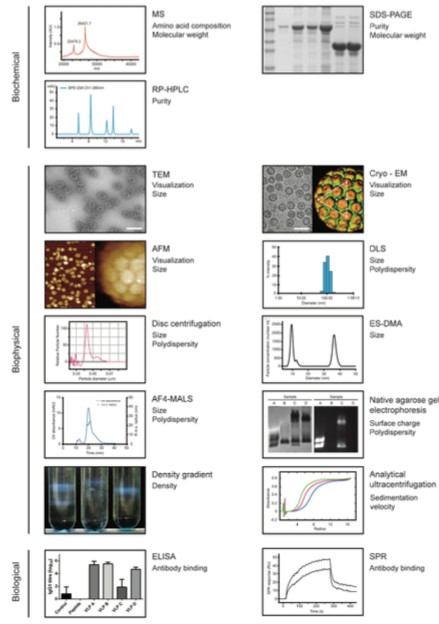
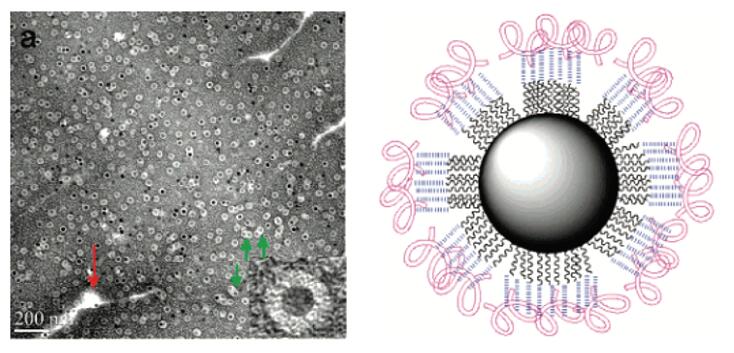
VLP performance depends on how structural proteins assemble and how the resulting particles are purified and characterized. Aggregation, heterogeneity, and antigen presentation should be considered alongside protein identity.
Creative Biostructure provides VLP production and characterization services for projects that need support beyond catalog selection. Discuss particle morphology, size distribution, composition, or application-specific measurements with the team.
Explore custom VLP services →Case study
Creative Biostructure B19V VLPs supported a published microfluidic assay study by providing the parvovirus B19 target particles.
Research goal
Jankelow and colleagues developed a microfluidic platform combining electrically distinguishable hydrogel beads with immunocapture to detect hepatitis A virus and parvovirus B19 particles in spiked plasma.
Our contribution
B19V virus-like particles (VLPs) (Cat# CBS-V088-C) were obtained from Creative Biostructure. These particles served as the B19V targets in individual and multiplexed immunoassays. The workflow combined target capture on hydrogel beads with differential electrical counting.
Explore the B19V VLP productPublished outcome
The study demonstrated simultaneous capture and detection of both targets in plasma-spiking experiments, distinguishing target-positive samples from negative controls. The supplied VLPs enabled the B19V arm of this proof-of-concept workflow.
Research significance
Creative Biostructure contributed the B19V target material used to evaluate the microfluidic assay. The findings support a proof of concept for multiplexed electrical virus detection; the experiments do not establish clinical diagnostic performance.
Customer publication
Jankelow, A., et al. (2024). Analyst, 149, 1190–1201. DOI: 10.1039/d3an01510f. Product attribution: Materials and methods, Sections 2.1 and 2.8.
Read the customer publicationResearch applications
The portfolio supports a range of research directions. Suitability depends on the selected construct and experimental validation.
Study particle structure, assembly, or antigen presentation with an appropriate construct.
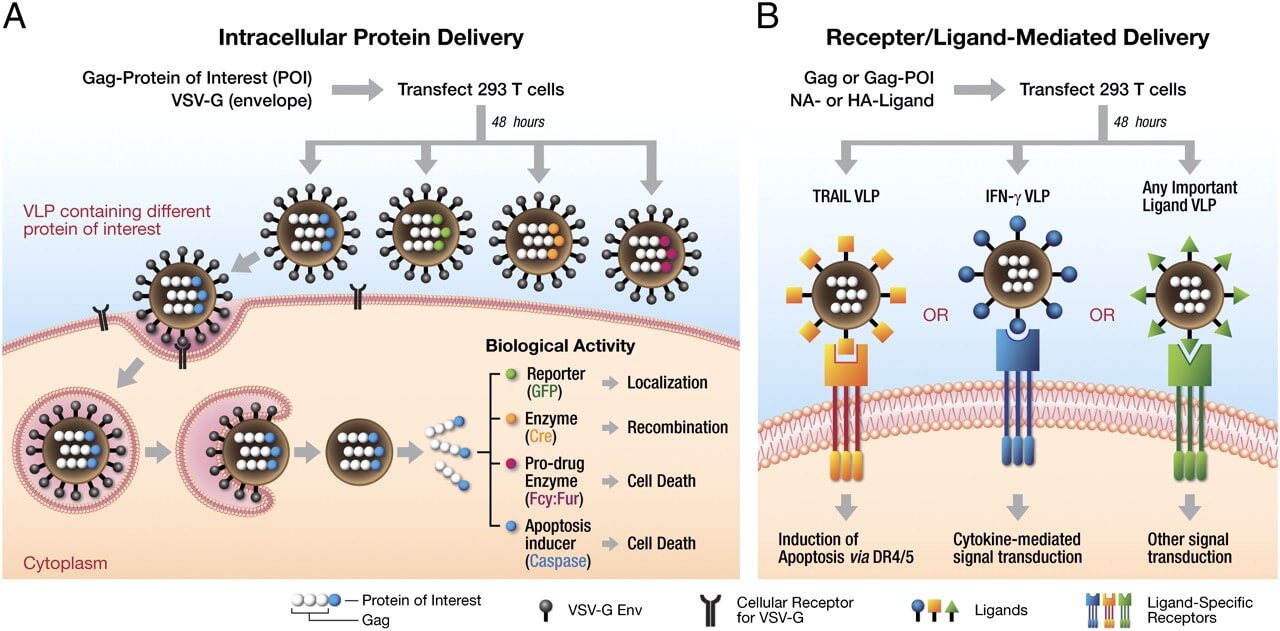
Explore particle-based delivery or imaging concepts in research settings.
Investigate antigen display and immunogenicity in vaccine research.
Select antigens for research immunization and antibody-generation workflows.
Consider particle antigens in compatible display-based selection workflows.
Assess antibody recognition using a suitable particle antigen and assay controls.
Evaluate binding while accounting for multivalency and surface presentation.
Review labeling compatibility and signal requirements for the selected particle.
Frequently asked questions
Product requirements depend on virus identity, particle composition, expression source, and intended assay. Review the available specifications or discuss a custom route with our scientists.
Start with the virus family or virus-name directory, then compare the catalog number, composition, and expression source. Select the construct that fits your assay rather than relying on the virus name alone.
No. Conventional VLPs are assembled viral structures without the complete genome needed for autonomous replication. Pseudotyped particles may contain reporter or other vector components and can have different entry and assay properties. Review the product description and handling requirements for each construct.
The VLP portfolio includes products from recombinant E. coli, yeast, insect cells, and HEK293 cells, among other listed sources. The expression source is product-specific; consult the individual catalog entry.
No. Antigen binding does not establish suitability for a cell-based neutralization assay. Such assays require a compatible entry or reporter system. Confirm the intended assay, reporter, and target-cell requirements with the technical team.
Review the individual product page for the specifications that are provided. Request confirmation of concentration, formulation, storage, particle characterization, purity, or residual nucleic-acid information when these are critical to your experiment. Do not assume identical specifications across products.
Yes. Send the target virus or catalog number, intended assay, required quantity, and any essential specifications through the inquiry page. The team can review catalog options or discuss a custom VLP project and confirm pricing and availability.
Publications
Explore customer publications citing Creative Biostructure VLP materials in viral detection, virus–host interaction, and particle-trapping research.
Jankelow, Aaron, et al. (2024). Analyst.
Creative Biostructure supplied B19V VLPs (CBS-V088-C), which were used as parvovirus B19 targets in the microfluidic detection experiments.
Parvovirus B19 VLP (VP1, VP2) Co-Capsid →Goc, Anna, et al. (2023). European Journal of Microbiology and Immunology.
The study used SARS-CoV-2 virus-like particles obtained from Creative Biostructure in research on phytochemicals, micronutrients, and coronavirus infectivity.
SARS-CoV-2 VLP Products →Kaladharan, Kiran, et al. (2023). Sensors and Actuators B: Chemical.
The researchers obtained SARS-CoV-2 VLP protein from Creative Biostructure for a SERS-based biosensor study using a portable Raman spectrometer.
SARS-CoV-2 VLP Products →Monferrer, Alba, et al. (2022). ACS nano.
The authors reported purchasing VLPs from Creative Biostructure for research on virus trapping with heparan sulfate-modified DNA origami shells.
HPV16 VLP (L1 Proteins) →Madrigal, J.L. and Jones, M.K. (2020). J Vis Exp.
The protocol lists Creative Biostructure human norovirus VLPs (CBS-V700) among the materials used to quantify VLP binding to commensal bacteria by flow cytometry.
Norovirus GII.3 VLP (VP1 Protein) →Resources
Browse practical background materials on VLP technology, virus families, production, and particle engineering.











For Research or Industrial Raw Materials, Not for Personal Use!