We provide comprehensive composition analysis to determine elemental, ionic, and chemical composition from bulk materials to trace impurities and surface layers. Our capabilities support bulk profiling, trace analysis, and surface-sensitive characterization, enabling accurate material identification, quality control, and compliance testing.
Material Characterization Services for Comprehensive Materials Analysis
Creative Biostructure provides a full range of material characterization services to analyze chemical composition, molecular structure, surface properties, and functional performance of diverse materials. By integrating advanced techniques such as spectroscopy, microscopy, surface analysis, and thermal testing, we deliver precise, multi-dimensional insights to support materials research, product development, quality control, and failure analysis.
Talk To an Expert → View Services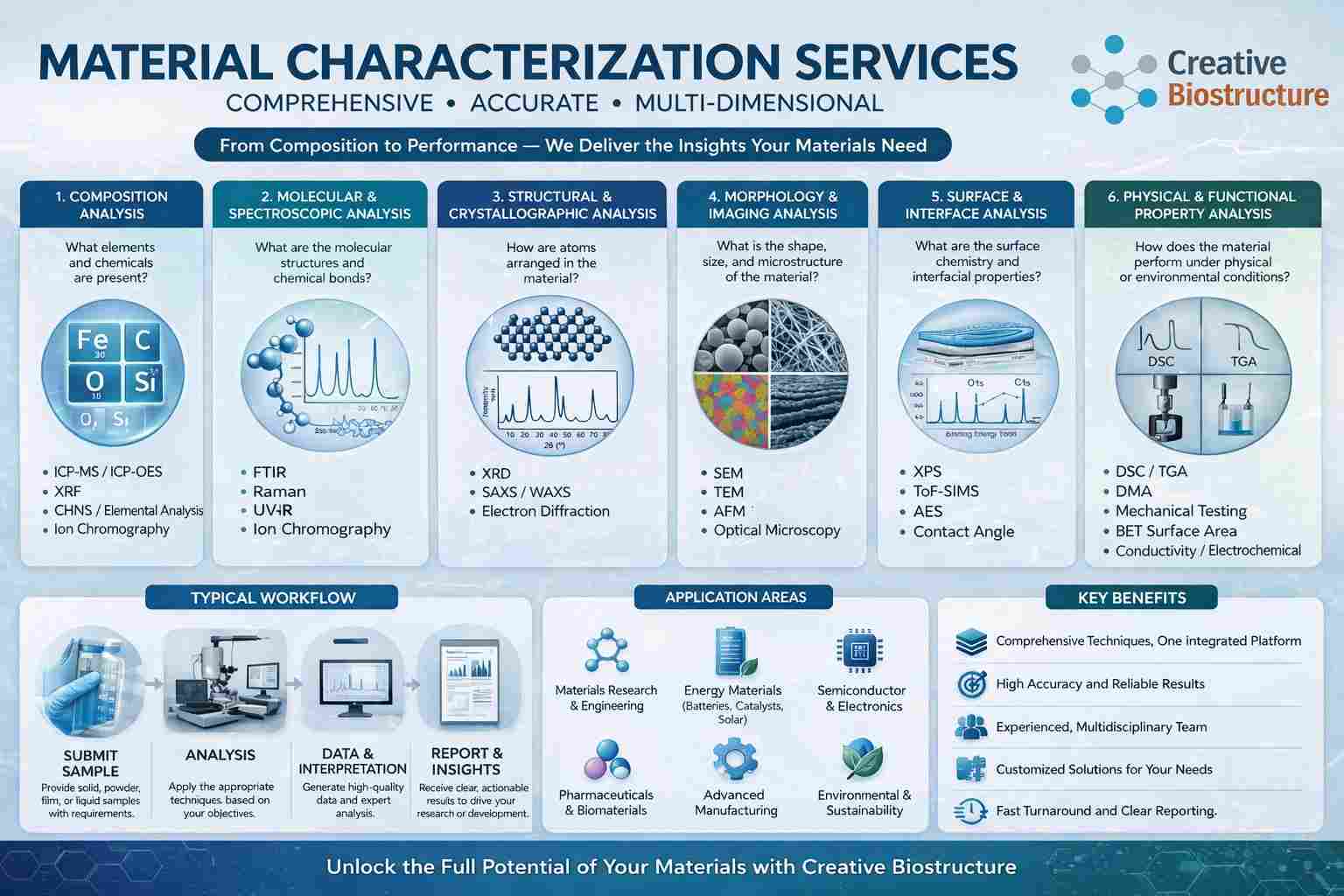
Empowering Advanced Materials Research with Trusted Analytical Expertise
Creative Biostructure combines cutting-edge characterization techniques with scientific expertise to provide accurate insights for complex materials research and development.









What is Material Characterization?
Material characterization refers to a wide range of analytical techniques used to determine the composition, structure, morphology, surface properties, and performance of materials. It is essential for understanding material behavior, optimizing product performance, ensuring quality control, and accelerating innovation across both academic and industrial applications.
At Creative Biostructure, we offer integrated material characterization services designed to support research, development, failure analysis, and regulatory testing, covering diverse material systems including metals, polymers, ceramics, nanomaterials, and composites.
What Can Material Characterization Measure?
Our comprehensive analytical capabilities allow you to evaluate:
- Chemical and elemental composition
- Molecular structure and functional groups
- Crystal structure and phase composition
- Surface morphology and microstructure
- Surface chemistry and interfacial properties
- Thermal behavior and physical performance
These measurements are critical for material selection, product development, defect analysis, and process optimization.
Our Material Characterization Capabilities
Composition Analysis
| Technique | What It Measures | Suitable Samples |
|---|---|---|
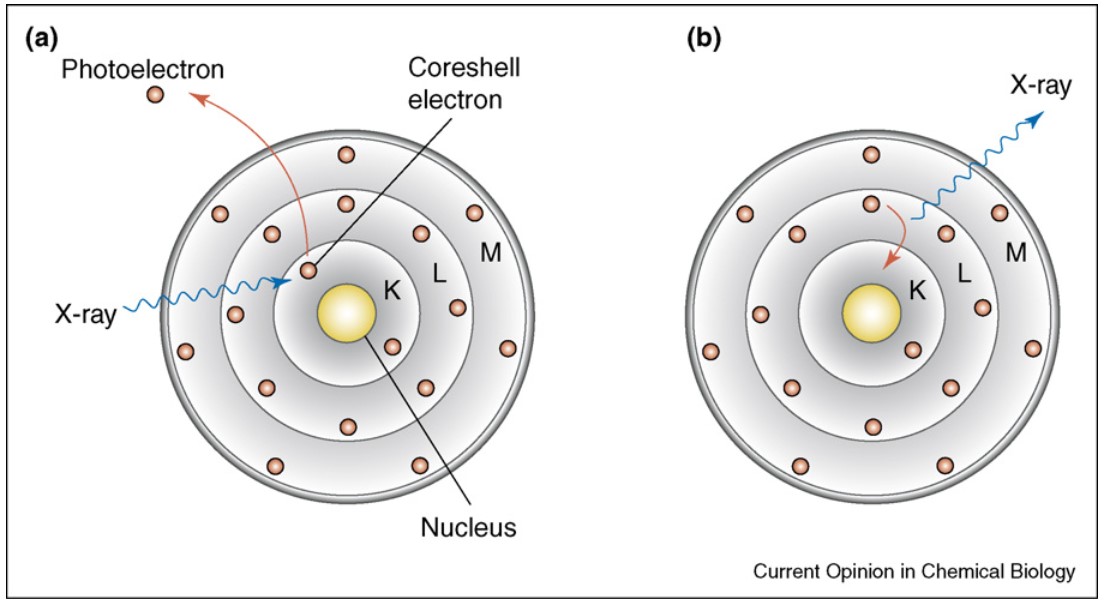
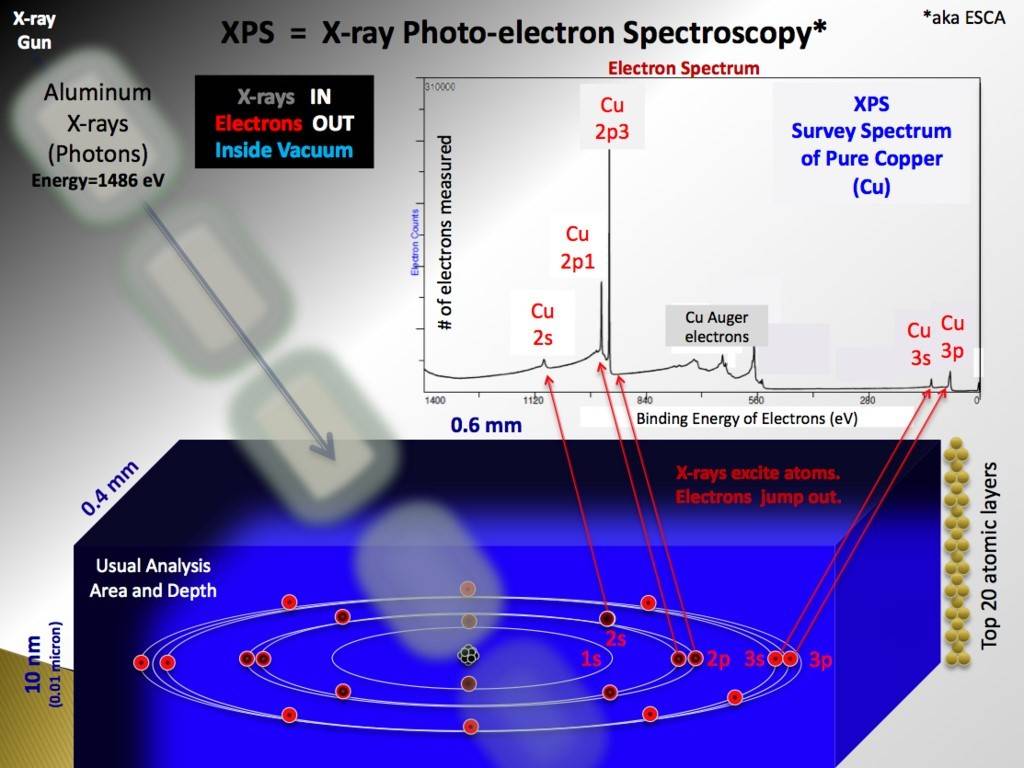
| XPS (X-ray Photoelectron Spectroscopy) | Surface elements & chemical states | Coatings, thin films, polymers, metals |
| XRF (X-ray Fluorescence) | Bulk elemental composition | Metals, minerals, powders, solids |
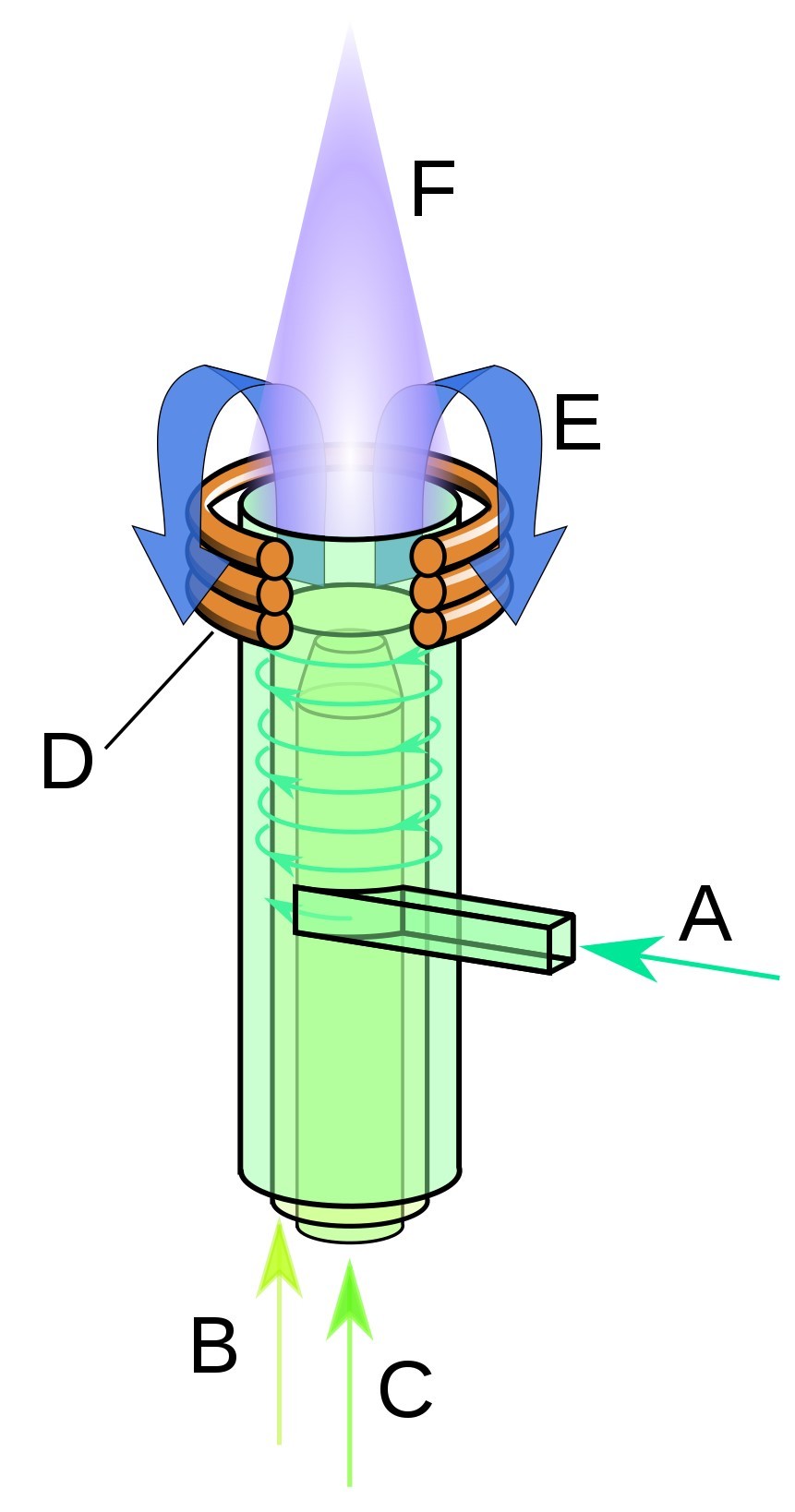
| ICP-OES | Multi-element composition | Solutions, digested materials |
| ICP-MS | Trace & ultra-trace elements | Solutions, high-purity materials |
| CHNS/O Analysis | C, H, N, S, O content | Polymers, organics, biomaterials |
| O/N/H Analysis | Oxygen, nitrogen, hydrogen | Metals, alloys, inorganic solids |
| C/S Analysis | Carbon and sulfur content | Metals, ceramics, ores |
| Ion Chromatography | Ionic species (anions/cations) | Water, extracts, solutions |
| TOC Analysis | Total organic carbon | Water, liquid samples |
| EPMA | Micro-area elemental composition | Metals, minerals, cross-sections |
| AES | Surface elemental composition | Thin films, semiconductors |
| Micro-XRF | Localized elemental mapping | Heterogeneous solids, coatings |
Molecular & Spectroscopic Analysis
We provide advanced molecular and spectroscopic analysis to identify chemical structures, functional groups, bonding environments, and electronic properties of materials. These techniques enable detailed characterization of organic, inorganic, and hybrid materials at the molecular level.
Molecular & Spectroscopic Techniques Overview| Technique | What It Measures | Suitable Samples |
|---|---|---|
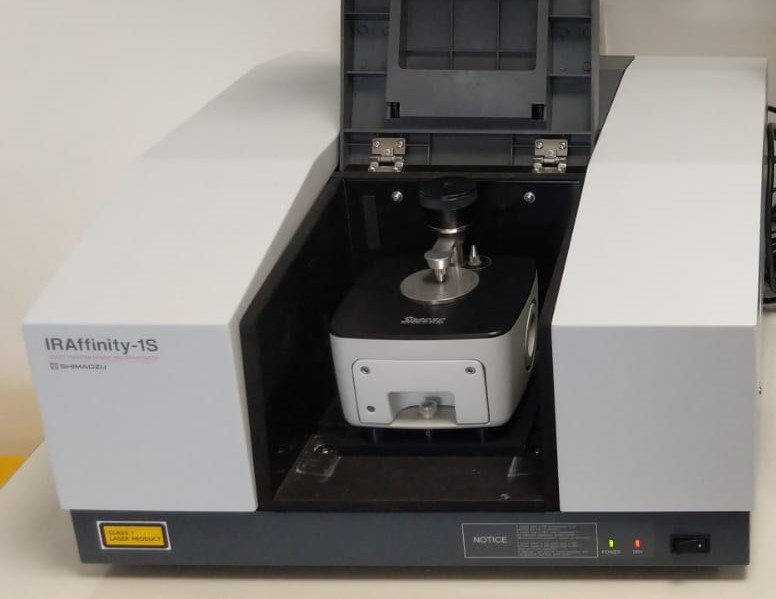
| FTIR (Fourier Transform Infrared Spectroscopy) | Functional groups & chemical bonds | Polymers, organics, powders, films |
| Raman Spectroscopy | Molecular structure & bonding | Solids, liquids, crystals, polymers |
| NMR (Liquid/Solid) | Molecular structure & chemical environment | Organic compounds, polymers, solids |
| UV-Vis-NIR Spectroscopy | Optical absorption & electronic transitions | Solutions, thin films, powders |
| Fluorescence Spectroscopy | Emission properties & excited states | Organic materials, semiconductors |
| ESR/EPR (Electron Spin Resonance) | Unpaired electrons & radical species | Catalysts, defects, paramagnetic materials |
| HRMS (High-Resolution Mass Spectrometry) | Molecular weight & composition | Organic compounds, biomolecules |
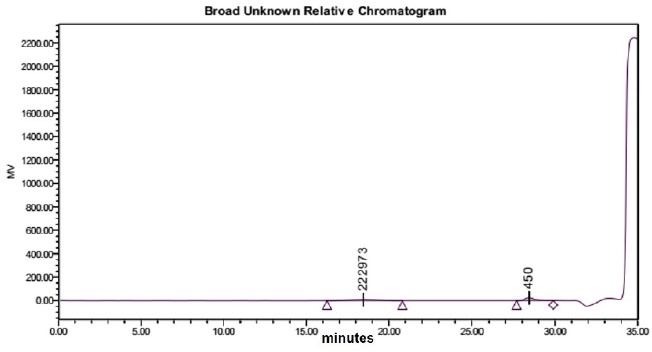
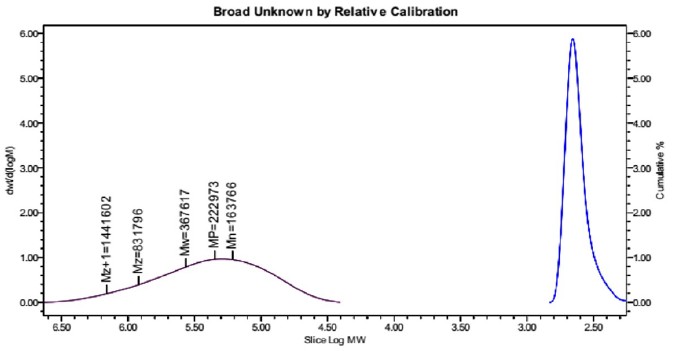
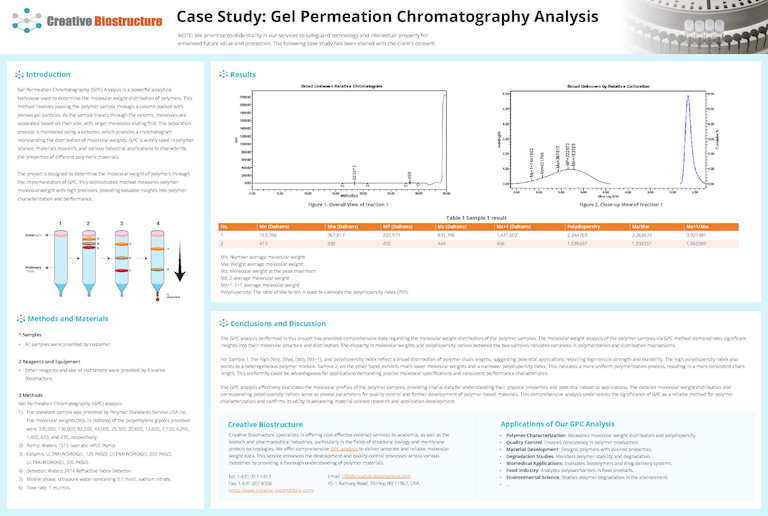
| GPC (Gel Permeation Chromatography) | Molecular weight distribution | Polymers, macromolecules |
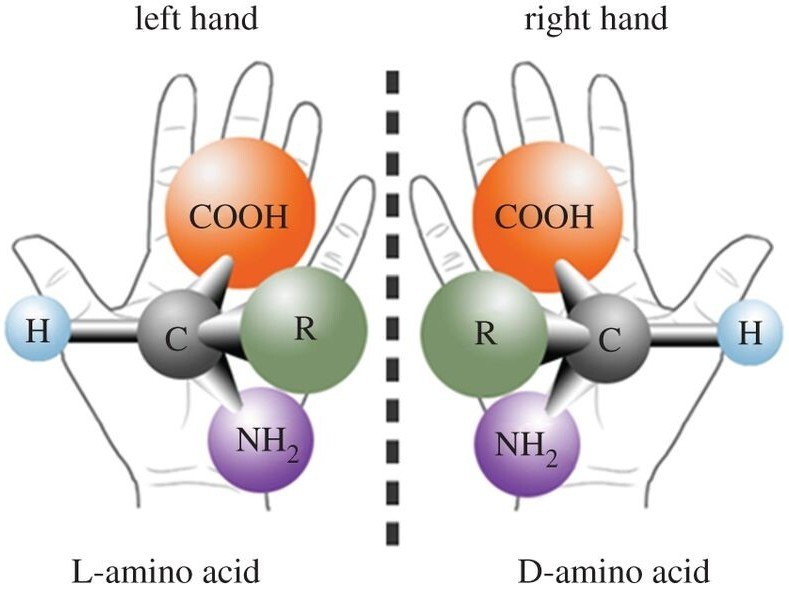
| CD (Circular Dichroism) | Molecular chirality & secondary structure | Proteins, chiral molecules |
| Pyrolysis-GC-MS | Thermal decomposition products | Polymers, complex organics |
| TPD/TPR/TPO (Temperature-Programmed Analysis) | Surface reactions & adsorption behavior | Catalysts, porous materials |
| UPS (Ultraviolet Photoelectron Spectroscopy) | Electronic structure & valence band | Thin films, semiconductors |
Structural & Crystallographic Analysis
We provide advanced structural and crystallographic analysis to determine crystal structure, phase composition, lattice parameters, and microstructural features of materials. These techniques reveal how atoms are arranged and how structural properties influence material performance.
Structural & Crystallographic Techniques Overview| Technique | What It Measures | Suitable Samples |
|---|---|---|
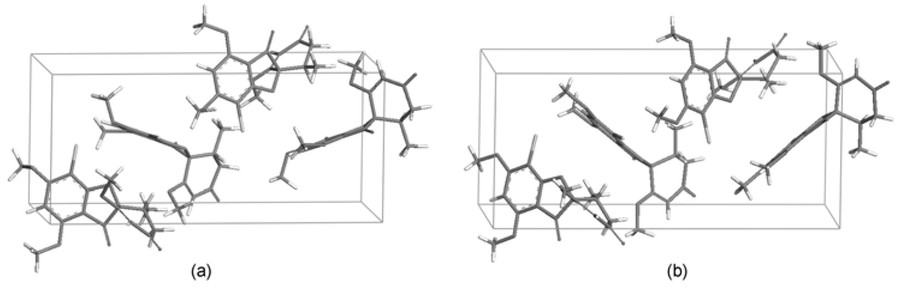
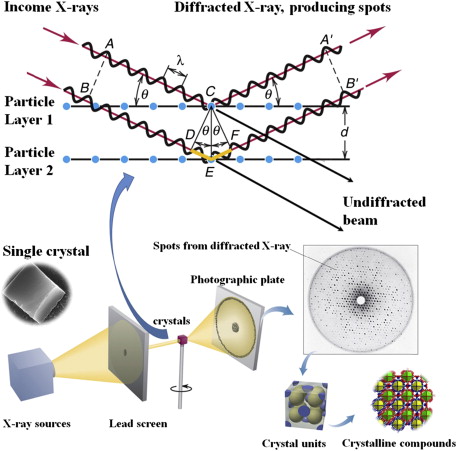
| XRD (X-ray Diffraction) | Crystal phases & structure | Powders, bulk solids, thin films |
| Single Crystal XRD | Atomic structure determination | Single crystals |
| GIXRD (Grazing Incidence XRD) | Surface/film crystal structure | Thin films, coatings |
| HRXRD (High-Resolution XRD) | Lattice parameters & strain | Semiconductors, epitaxial films |
| 2D-WAXD (Wide-Angle X-ray Diffraction) | Crystal orientation & structure | Polymers, fibers, films |
| SAXS/WAXS | Nano- to micro-scale structure | Polymers, nanomaterials |
| Electron Diffraction | Local crystal structure | Nanomaterials, thin regions |
| EBSD (Electron Backscatter Diffraction) | Grain orientation & texture | Metals, alloys, ceramics |
| RSM (Reciprocal Space Mapping) | Lattice strain & defects | Thin films, semiconductors |
| XRR (X-ray Reflectivity) | Film thickness & density | Thin films, multilayers |
| Micro-XRD | Local phase identification | Heterogeneous materials |
Morphology & Imaging Analysis
We provide advanced morphology and imaging analysis to visualize surface features, microstructure, and internal morphology of materials at micro- to nanoscale resolution. These techniques enable detailed understanding of material structure, defects, and spatial distribution.
Morphology & Imaging Techniques Overview| Technique | What It Measures | Suitable Samples |
|---|---|---|
| SEM (Scanning Electron Microscope) | Surface morphology & microstructure | Metals, polymers, ceramics, powders |
| TEM (Transmission Electron Microscopy) | Internal structure & nanoscale features | Nanomaterials, thin films, particles |
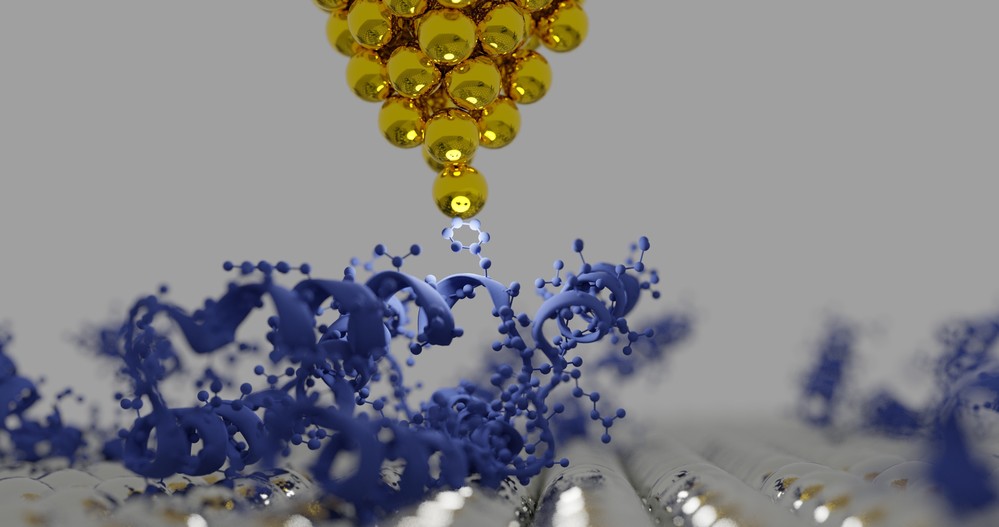
| AFM (Atomic Force Microscopy) | Surface topology & roughness (nano-scale) | Films, polymers, biological samples |
| Optical Microscopy | Macro- to micro-scale morphology | Bulk solids, biological samples |
| Laser Confocal Microscopy | 3D surface morphology & depth profiling | Coatings, microstructures, materials surfaces |
| Optical Profilometry | Surface roughness & topography | Thin films, coatings, precision surfaces |
| Polarized Microscopy | Crystal orientation & anisotropy | Crystalline materials, polymers |
| Metallographic Microscopy | Grain structure & phase distribution | Metals, alloys |
| Environmental SEM (ESEM) | Morphology under low vacuum conditions | Wet, non-conductive, soft materials |
| Stereo Microscopy | Surface features at low magnification | Bulk materials, assemblies |
Surface & Interface Analysis
We provide advanced surface and interface analysis to characterize elemental composition, chemical states, depth profiles, and interfacial properties at the material surface. These surface-sensitive techniques enable precise investigation of coatings, thin films, contamination, and interfacial behavior at micro- to nanoscale.
Surface & Interface Techniques Overview| Technique | What It Measures | Suitable Samples |
|---|---|---|
| XPS (X-ray Photoelectron Spectroscopy) | Surface composition & chemical states | Thin films, coatings, polymers, metals |
| ToF-SIMS | Surface composition & depth profiling | Thin films, semiconductors, multilayers |
| AES | Surface elemental composition (high spatial resolution) | Metals, thin films, microstructures |
| Contact Angle | Surface wettability & surface energy | Polymers, coatings, treated surfaces |
| SIMS (Secondary Ion MS) | Surface & depth elemental analysis | Thin films, semiconductors |
| XRR (X-ray Reflectivity) | Film thickness, density & interface roughness | Thin films, multilayer structures |
| UPS (Ultraviolet Photoelectron Spectroscopy) | Electronic structure & valence band | Semiconductors, functional materials |
Physical & Functional Property Analysis
We provide comprehensive physical and functional property analysis to evaluate thermal behavior, mechanical performance, surface area, and functional properties of materials under realistic operating conditions. These techniques help assess material stability, durability, and performance for both research and industrial applications.
Physical & Functional Techniques Overview| Technique | What It Measures | Suitable Samples |
|---|---|---|
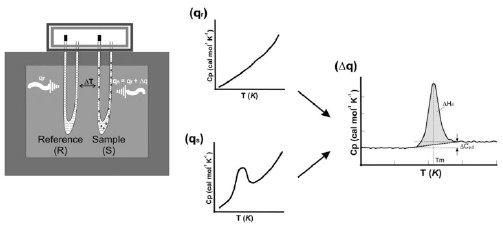
| DSC (Differential Scanning Calorimetry) | Thermal transitions (melting, Tg, crystallization) | Polymers, pharmaceuticals, composites |
| TGA (Thermal Gravimetric Analysis) | Thermal stability & decomposition | Polymers, composites, inorganic materials |
| DMA (Dynamic Mechanical Analysis) | Viscoelastic and mechanical behavior | Polymers, elastomers, composites |
| BET (Brunauer–Emmett–Teller) | Surface area & porosity | Powders, porous materials, catalysts |
| Tensile Testing | Strength, elongation, modulus | Metals, polymers, films |
| Hardness Testing | Surface/mechanical resistance | Metals, coatings, ceramics |
| Electrical Testing | Conductivity, resistivity | Semiconductors, conductive materials |
| Electrochemical Testing | Charge transfer, stability (EIS, CV) | Batteries, catalysts, coatings |
| TMA (Thermomechanical Analysis) | Dimensional change vs temperature | Polymers, composites |
Synchrotron Analysis
We provide advanced characterization solutions leveraging synchrotron radiation and integrated multi-technique approaches to deliver high-resolution insights into material structure, composition, and functional properties beyond conventional methods. These capabilities enable in-depth analysis at atomic, nano-, and micro-scale, supporting cutting-edge research and complex industrial challenges.
Advanced Techniques Overview| Technique | What It Enables | Typical Applications | Key Advantages |
|---|---|---|---|
| Synchrotron XRD | Ultra-high-resolution crystal structure analysis | Complex materials, thin films, nanomaterials | Higher resolution and sensitivity than lab XRD |
| Synchrotron SAXS/WAXS | Nano- to mesoscale structural characterization | Polymers, biomaterials, nanostructures | Wide length-scale coverage |
| XAS (XANES/EXAFS) | Electronic structure & local atomic environment | Catalysts, battery materials, metals | Element-specific chemical state analysis |
| Synchrotron XRF | Trace elemental mapping | Environmental samples, semiconductors | Ultra-trace detection with spatial resolution |
| Nano-imaging (Synchrotron-based) | High-resolution structural imaging | Multiphase materials, interfaces | Non-destructive, high spatial resolution |
| In situ / Operando Analysis | Real-time structural and chemical evolution | Batteries, catalysts, functional materials | Observe materials under working conditions |
How to Choose the Right Characterization Technique
Choosing the right analytical method depends on your research objective:
| Objective | Recommended Techniques |
|---|---|
| Elemental composition | ICP-MS, XRF |
| Chemical structure | FTIR, NMR |
| Crystal structure | XRD |
| Surface morphology | SEM, AFM |
| Nanoscale imaging | TEM |
| Surface chemistry | XPS |
| Thermal properties | DSC, TGA |
| Mechanical performance | DMA, tensile testing |
Not sure where to start? Our experts will design a tailored analytical workflow for your project.
Materials We Support
We support characterization of a wide range of materials:
- Metals and alloys
- Polymers and plastics
- Nanomaterials
- Ceramics and inorganic materials
- Biomaterials
- Composite materials
- Thin films and coatings
Advanced Material Characterization Platforms
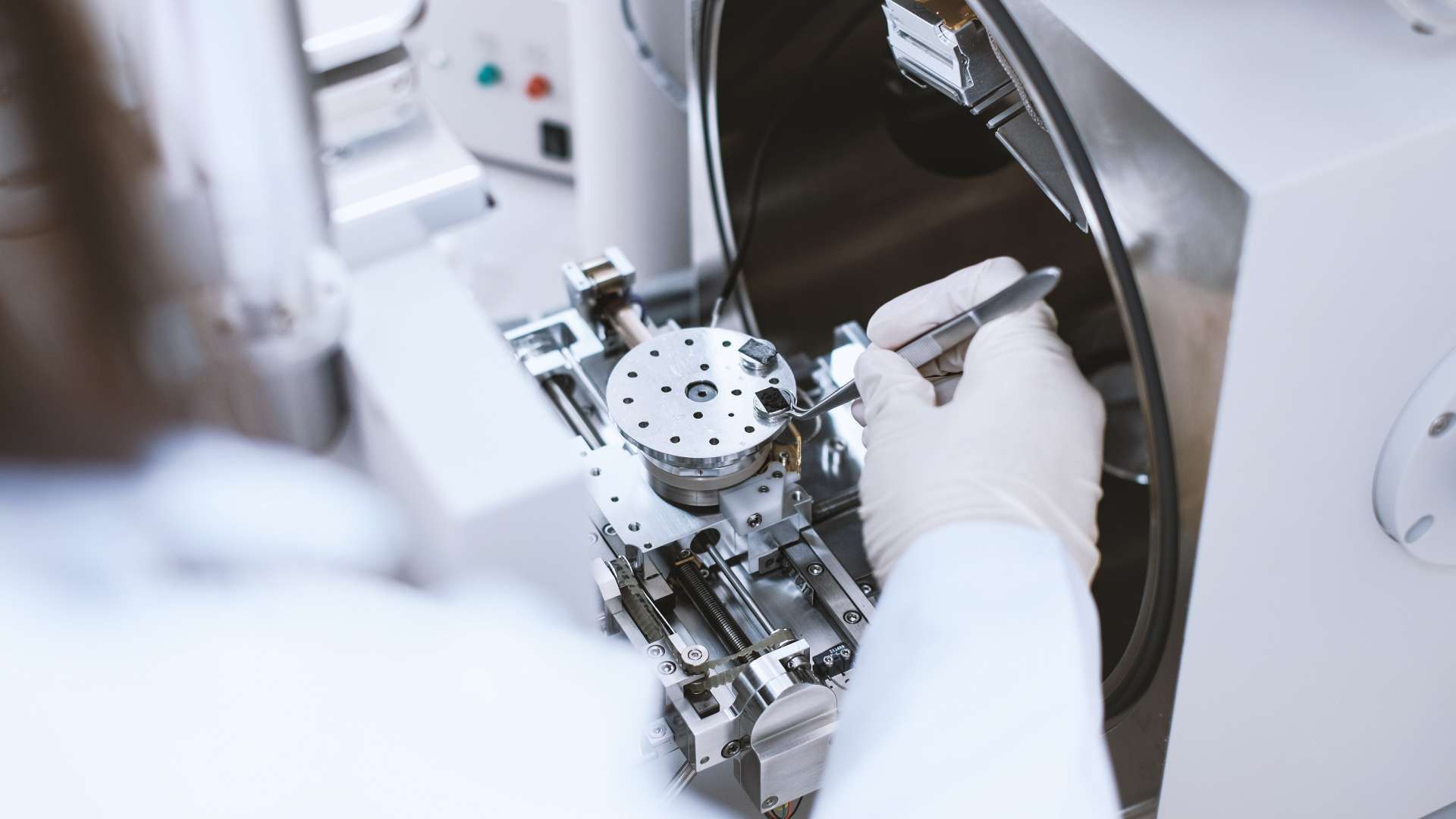
Our laboratories are equipped with advanced instrumentation such as XRD, SEM, TEM, XPS, ICP-OES/MS, FTIR, Raman spectroscopy, BET analyzers, and thermal analysis systems, supporting high-resolution and high-sensitivity measurements across diverse material systems.
Leveraging these state-of-the-art platforms and our multidisciplinary expertise, we deliver accurate, high-quality data and customized analytical solutions for complex material characterization challenges.
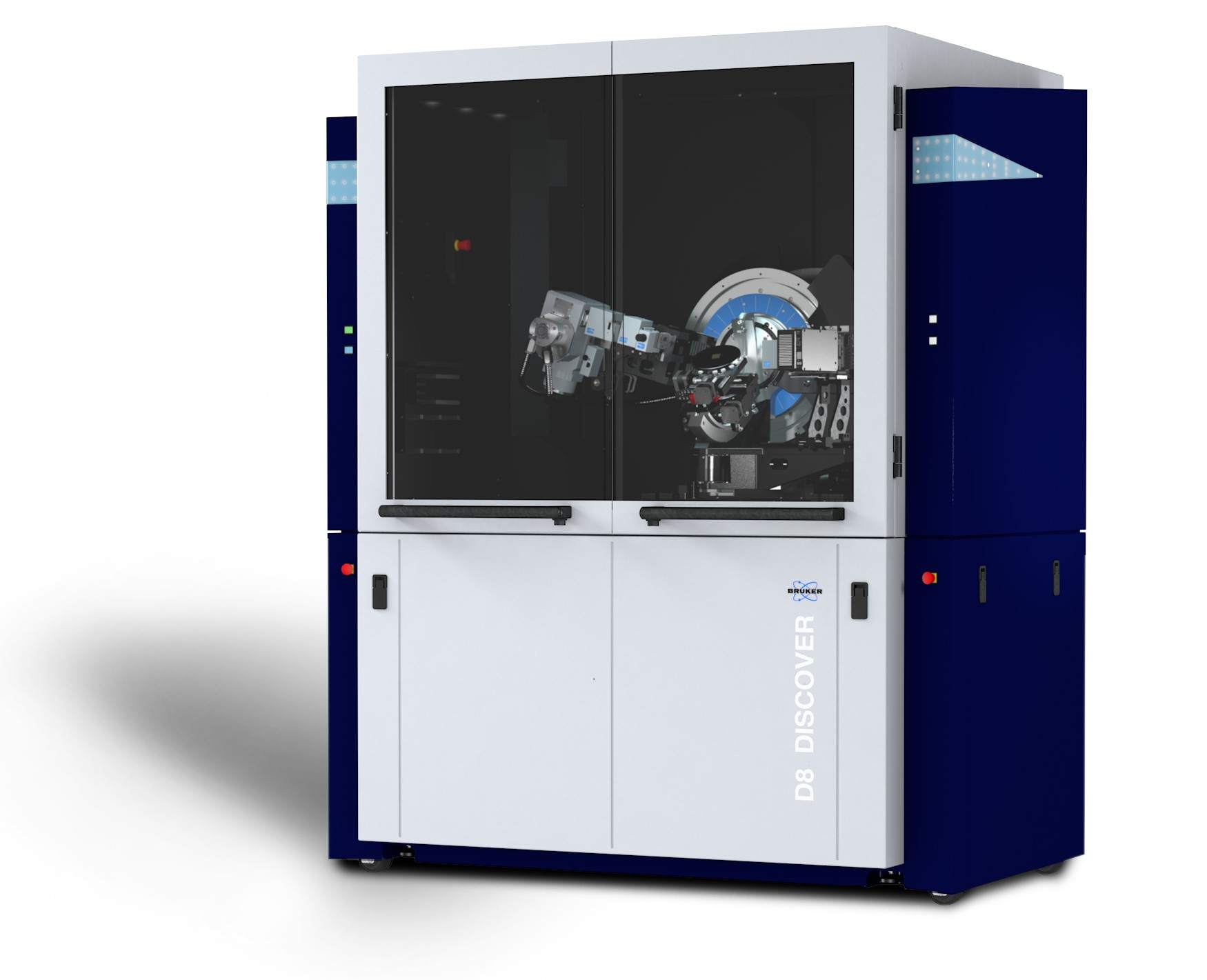
Image Source: Bruker
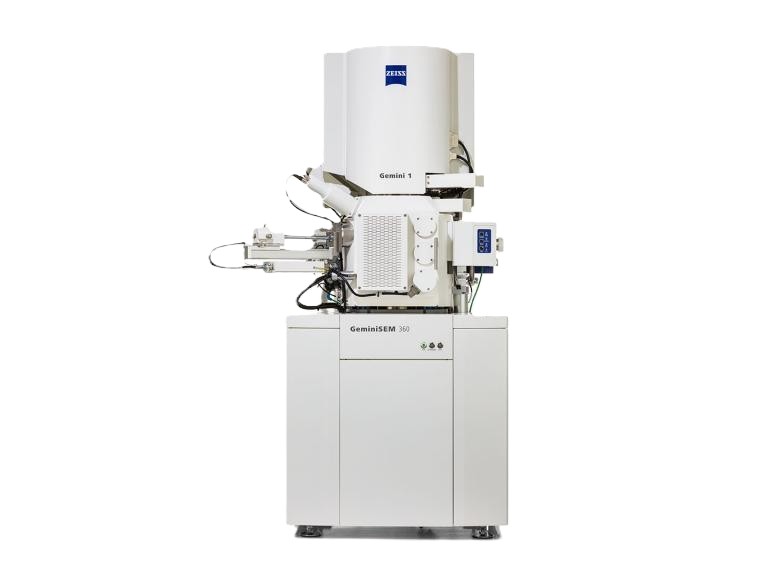
Image Source: ZEISS
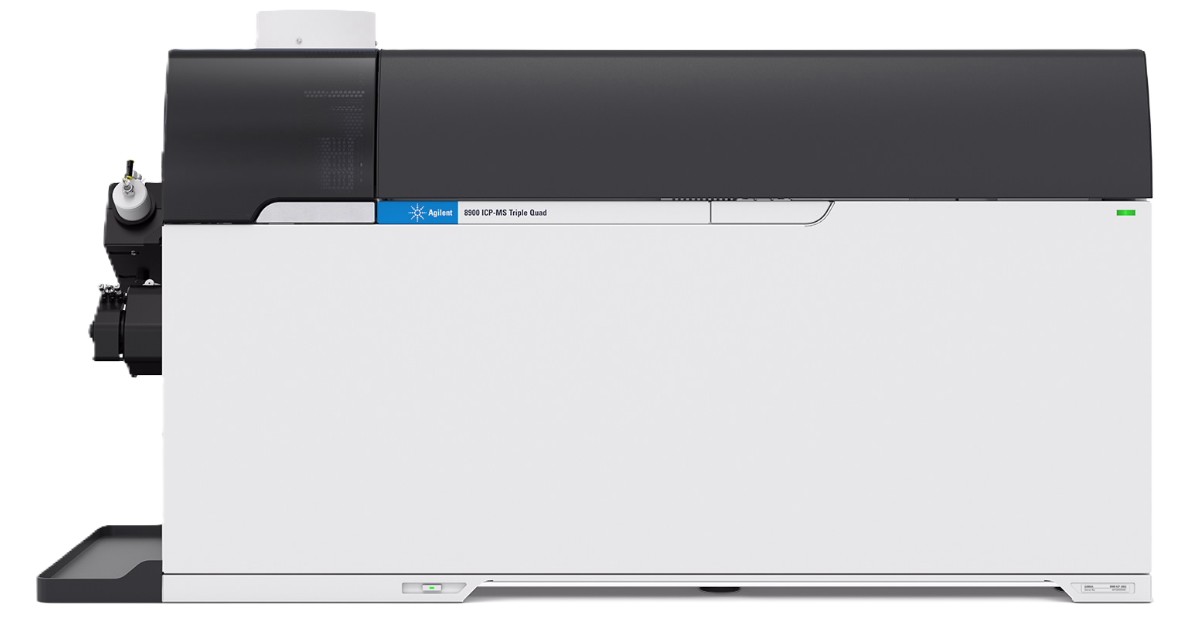
Image Source: Agilent
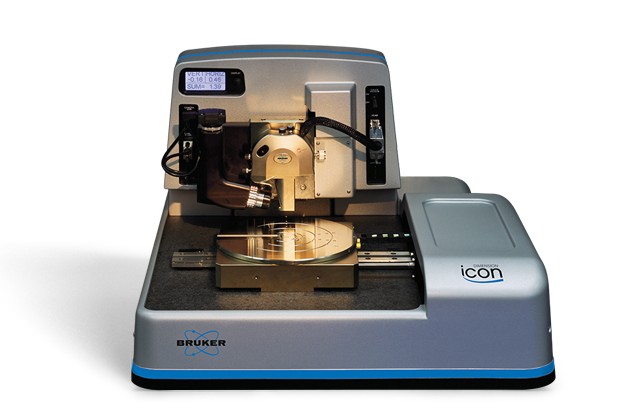
Image Source: Bruker
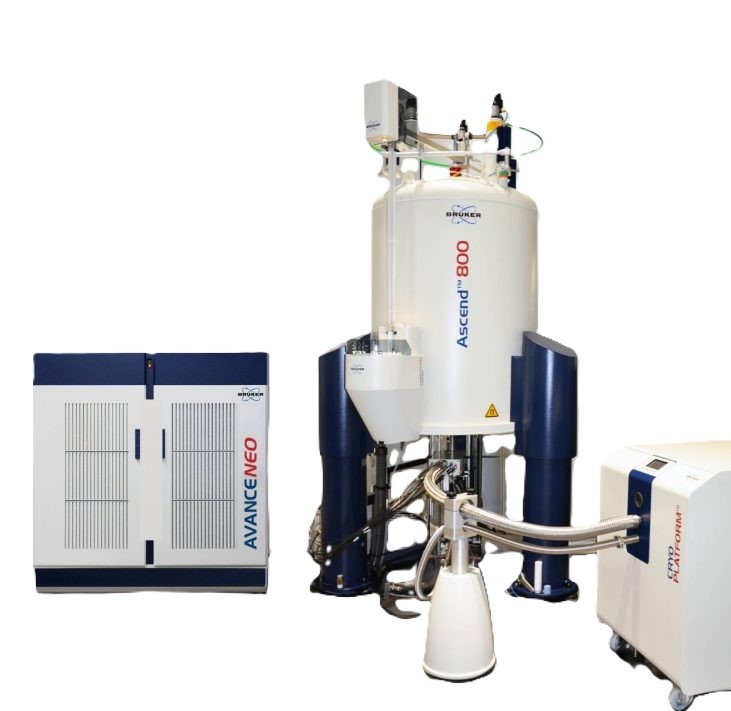
Image Source: Bruker
Featured Case Studies of Material Characterization
Chemical Composition Analysis of Complex Formulation
This project focuses on the comprehensive identification and quantification of chemical components in a complex formulation using integrated analytical techniques. By combining spectroscopic, chromatographic, and elemental analysis methods, we achieved accurate characterization of both organic and inorganic constituents.
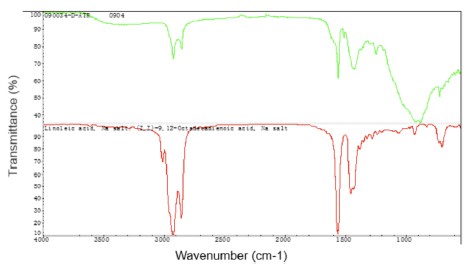
Figure 1. FT-IR spectrum of the drying sample.
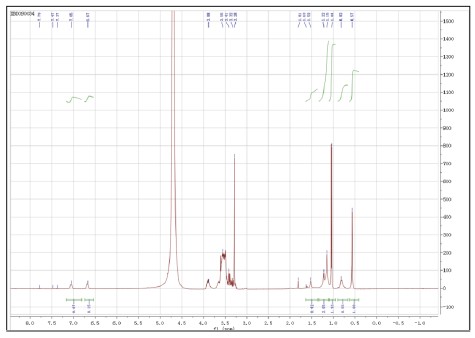
Figure 2. NMR spectrum of the sample.
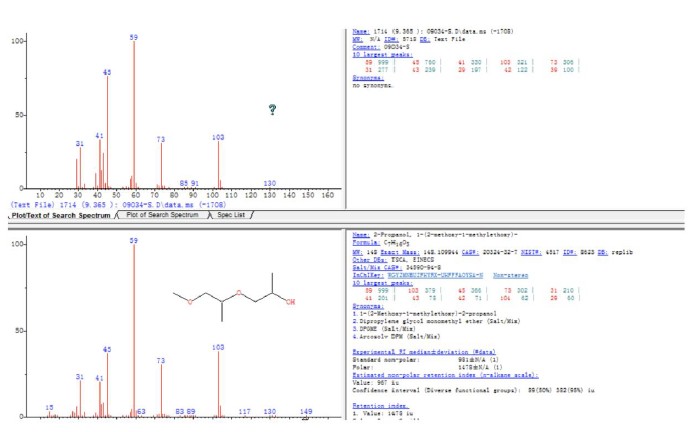
Figure 3. GC-MS chromatogram of the sample.
Case Study
 Case Study
Comprehensive Composition Analysis of Detergent Sample
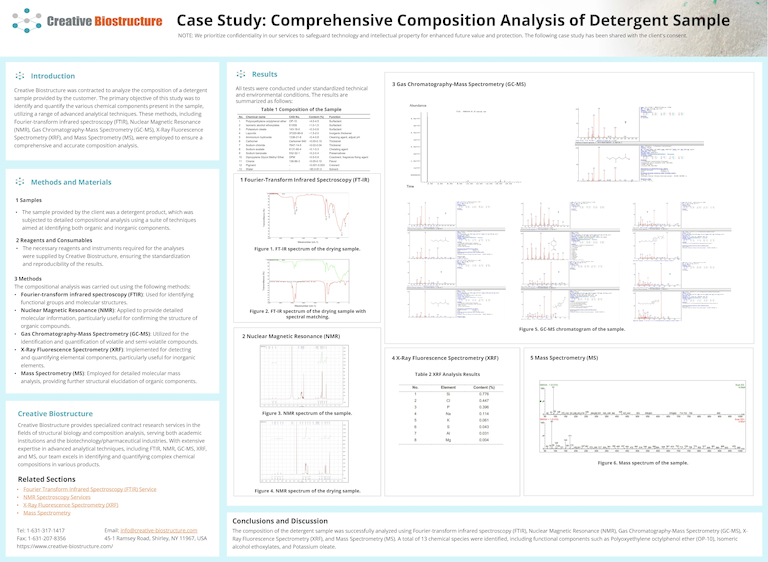
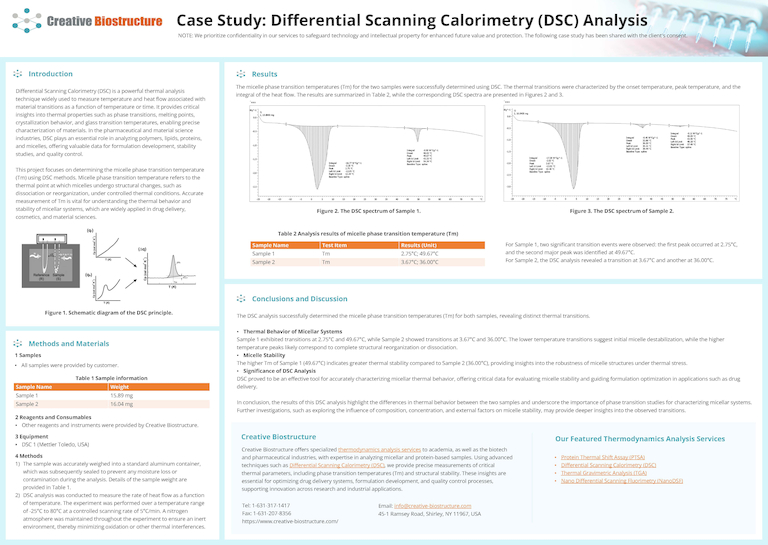
Download this case study to explore a full workflow of multi-technique composition analysis, including FTIR, NMR, GC-MS, XRF, and mass spectrometry, covering sample preparation, analytical methods, results, and key insights for complex material systems.
Download
Why Choose Our Material Characterization Services
Our integrated analytical capabilities, advanced instrumentation, and expert-driven approach enable precise and reliable material characterization, supporting your projects from fundamental analysis to application-driven insights.
Multi-Technique Platform
 Multi-Technique Platform
Utilize analytical instruments, including XPS, SEM/TEM, XRD, ICP-MS, and advanced thermal analysis systems, ensuring high-resolution, high-sensitivity, and reproducible results.
Experienced Multidisciplinary Team
Our team of experienced scientists brings expertise across materials science, chemistry, and engineering, delivering accurate data interpretation and actionable insights.
End-to-End Analytical Support
From initial consultation and method selection to data analysis and reporting, we provide a streamlined workflow tailored to your research or industrial objectives.
Customized & Efficient Solutions
We design flexible and cost-effective characterization strategies with fast turnaround times, ensuring high-quality results aligned with your project needs.
What Our Customers Say
Application Areas
Our services are widely used in:
- Materials science and engineering
- Semiconductor and electronics
- Energy materials (batteries, catalysts, photovoltaics)
- Pharmaceutical and biomedical materials
- Environmental and sustainability research
- Advanced manufacturing
FAQs About Our Material Characterization Services
What is material characterization and why is it important?
Material characterization refers to the analysis of a material's composition, structure, surface properties, and performance using advanced analytical techniques. It is essential for understanding material behavior, optimizing product performance, ensuring quality control, and supporting research and development across materials science, engineering, and industrial applications.
What techniques are commonly used in material characterization?
Material characterization typically involves a combination of techniques, including XRD for crystal structure, SEM/TEM for morphology, XPS for surface analysis, ICP-MS for elemental composition, FTIR and Raman for molecular structure, and DSC/TGA for thermal properties. The selection depends on the specific analysis goal and material type.
How do I choose the right characterization method for my material?
The appropriate method depends on your objective. For example, use XRF or ICP-MS for composition, XRD for phase identification, SEM for morphology, XPS for surface chemistry, and DSC for thermal behavior. In practice, multiple techniques are often combined to provide a complete understanding of the material.
What types of materials can be characterized?
A wide range of materials can be analyzed, including metals, polymers, ceramics, nanomaterials, composites, thin films, and biomaterials. Material characterization services are applicable in fields such as electronics, energy, pharmaceuticals, advanced manufacturing, and environmental science.
What information can material characterization provide?
Material characterization can reveal elemental composition, molecular structure, crystal phases, surface chemistry, microstructure, and functional properties. These insights help guide material selection, product design, failure analysis, and performance optimization.
If you have any questions, please contact our support team, who are dedicated to helping you maximize the potential of your research with Creative Biostructure.
Related Resources
For Research or Industrial Raw Materials, Not for Personal Use!
Online Inquiry
This site is protected by reCAPTCHA and the Google Privacy Policy and Terms of Service apply.