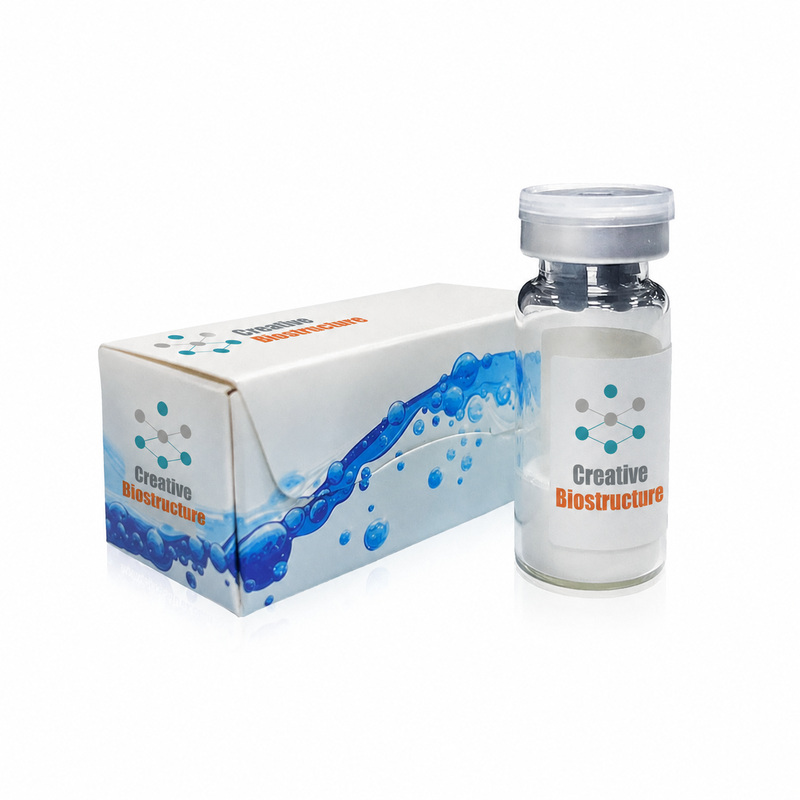
Source
Exosome derived from Onion
Product Overview
Exosomes are nanosized vesicles (30-160 nm) secreted by exocytosis by most cell types and contain specifical cargos, such as RNAs, lipids, and proteins. The cargos amount and composition of exosomes depend on the cell type from which they are released, which making them useful for biomarker discovery and functional characterization. Exosomes have been isolated plant, which comprises various bioactive biomolecules. As an alternative cell-free therapeutic approach, plant drived exosome particles have the enormous potential in drug delivery system.
HQExo™ standard exosomes could use as positive controls for exosome isolation and functional research, such as ELISA, FACS, WB. Lyophilization is useful for a long-term storage at 4°C, and frozen liquid should be kept at -20°C to -80°C. Ultracentrifugation and precipitation techniques are mainly used in exosome Isolation. It had been reported that both methods yielded extracellular vesicles in the size range of exosomes, which can be used in downstream analyses. Nanoparticles Tracking Analysis (NTA) is used for measuring exosome particles concentration. Creative Biostructure standard exosome products guarantee higher purity and quality to meet our customer research.
Form
Lyophilized powder/ frozen liquid
Storage
Store at -20°C or colder. Recommend to avoid repeated freeze-and-thaw cycles.
Reconstitution
Reconstitute lyophilized exosome by adding deionized water for a desired final concentration. Centrifuge before opening to ensure exosomes are at bottom, resuspend exosomes by pipetting and/or vortex, please avoid bubbles. Centrifuge again and mix well for using.