Source
Exosome derived from human pre-adipose derived mesenchymal stem cell (PCS-500-011)
Product Overview
Exosomes are small endosome derived lipid nanoparticles (30-160 nm in diameter) secreted by exocytosis by most living cells and contain specifical cargos, such as RNAs, lipids, and proteins. The cargos amount and composition of exosomes depend on the cell type from which they are released, which making them useful for biomarker discovery and functional characterization. Exosomes have been isolated from mesenchymal stem cells (MSCs), which have captured great attention in regenerative and translational medicine over a few decades due to their low immunogenicity, high biocompatibility, differentiation capacity, potent immunomodulatory properties, and their ability to be favorably cultured and manipulated. Exosomes transfer functional cargos like miRNA and mRNA molecules, peptides, proteins, cytokines and lipids from MSCs to the recipient cells, which contributes to the healing of necrotic tissues and organs or apoptotic cells HQExo™ exosomes derived from MSCs could use as positive controls for exosome isolation and functional research, such as ELISA, FACS, WB. With the unique capacity of proliferation and differentiation, exosomes derived from MSCs represented a great opportunity for regenerative therapeutic agents. For example, it has been reported that exosomes from cardiomyocytes or stem/progenitor cells can promote cardiac repair and regeneration. Lyophilization is useful for a long-term storage at 4°C, and frozen liquid should be kept at -20°C to -80°C. Ultracentrifugation and precipitation techniques are mainly used in exosome Isolation. It had been reported that both methods yielded extracellular vesicles in the size range of exosomes and included apoproteins, which can be used in downstream analyses. Nanoparticles Tracking Analysis (NTA) is used for measuring exosome particles concentration, and WB or ELISA can be used in exosomal biomarkers analysis. Creative Biostructure standard exosome products guarantee higher purity and quality to meet our customer research.
Form
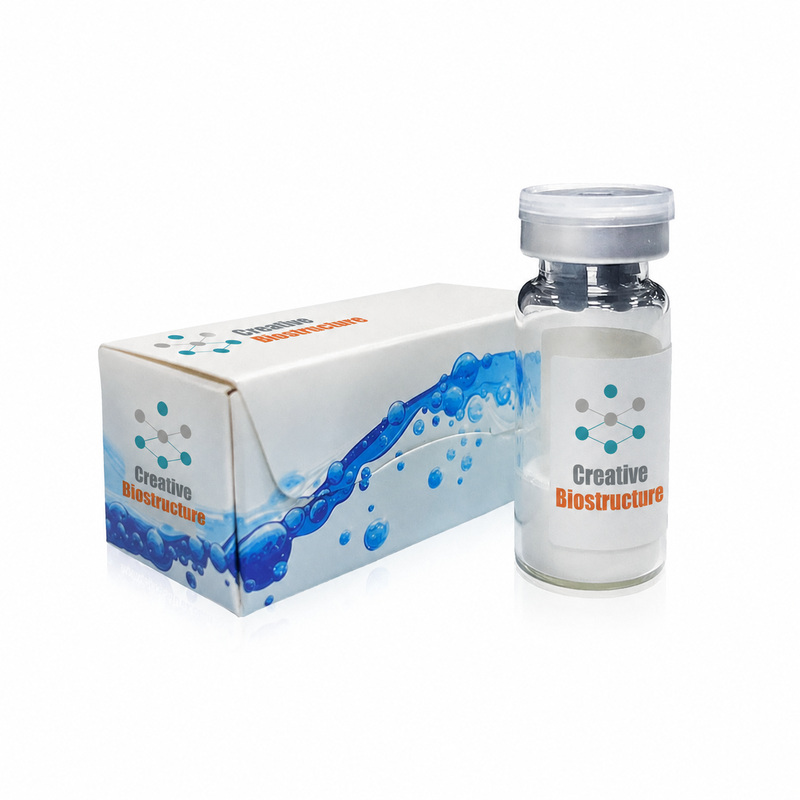
Lyophilized powder/ frozen liquid. Reconstitute lyophilized exosome by adding deionized water for a desired final concentration. Centrifuge before opening to ensure exosomes are at bottom, resuspend exosomes by pipetting and/or vortex, please avoid bubbles. Centrifuge again and mix well for using.
Storage
Lyophilized powder store at 4 °C. Frozen liquid store at -20°C to -80°C. Recommended to avoid repeated freeze-and-thaw cycles.