Source
Exosome derived from Single Donor Human Alzheimer's plasma
Product Overview
Exosomes are nanosized vesicles (30-160 nm) secreted by exocytosis by most cell types and contain specifical cargos, such as RNAs, lipids, and proteins. The cargos amount and composition of exosomes depend on the cell type from which they are released, which making them useful for biomarker discovery and functional characterization. Exosomes can deliver a variety of specific proteins, lipids and nucleic acids contained in them to nearby or distant target cells, and play the role of intercellular information exchange, thereby participating in the regulation of multiple physiological and pathological processes in the human body. Studies have shown that exosomes are related to the transport and release of characteristic molecules related to various diseases. The study of exosome from human disease-state body fluids will help us to systematically understand the relationship between exosomes and the occurrence and development of diseases. HQExo™ standard exosomes could use as positive controls for exosome isolation and functional research, such as ELISA, FACS, WB. Lyophilization is useful for a long-term storage at 4°C, and frozen liquid should be kept at -20°C to -80°C. Ultracentrifugation and precipitation techniques are mainly used in exosome Isolation. It had been reported that both methods yielded extracellular vesicles in the size range of exosomes and included apoproteins, which can be used in downstream analyses. Nanoparticles Tracking Analysis (NTA) is used for measuring exosome particles concentration, and WB or ELISA can be used in exosomal biomarkers analysis. Creative Biostructure standard exosome products guarantee higher purity and quality to meet our customer research.
Form
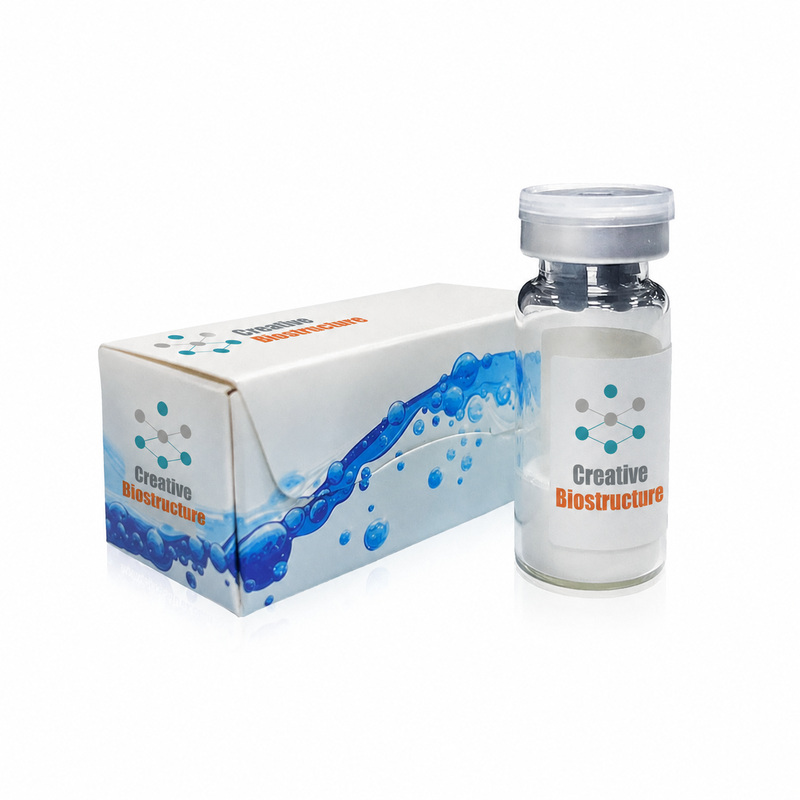
Lyophilized powder/ frozen liquid
Storage
Store at -20°C or colder. Recommend to avoid repeated freeze-and-thaw cycles.