Home Products PNExo™ Exosome-Corn (PNE-VC03)
PNExo™ Exosome-Corn
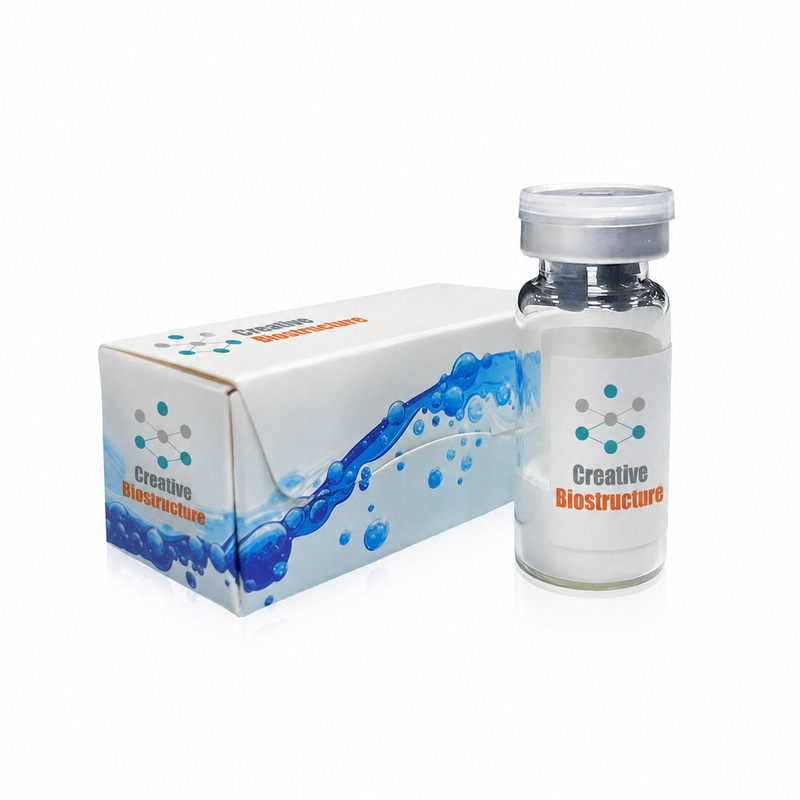
Product Image

PNExo™ Exosome-Corn

Catalog No. PNE-VC03

Product Summary

Source
Exosome derived from Corn
Product Overview
Plant exosomes are nanosized (30-150 nm) membrane vesicles that contain biomolecules. Plant-derived exosomes refer to naturally occurring nanoparticles derived from plants that contain bioactive molecules and proteins. These exosomes have been shown to have multiple benefits in a variety of applications, such as skincare, drug delivery, and biomedicine. Plant-derived exosomes have been found to possess antioxidant, anti-inflammatory, and anti-aging properties, making them an attractive option for the development of new and innovative therapies. Plant-derived natural substances are widely used as cosmeceutical materials because they exert beneficial effects on the human skin, such as antiaging, moisturizing, whitening, regeneration, and nutritional supply. Besides, they could delivery therapeutic compounds to target cells, potentially revolutionizing the way in which drugs are administered. Overall, plant-derived exosomes hold great promise for a wide range of applications in the fields of medicine and biotechnology. PNExo™ is focused on the production and delivery of high quality plant-derived exosomes products. Exosomes are important tools of intercellular communication with a variety of biological functions, including cell regeneration and immune regulation. PNExo™ products undergo a rigorous screening and purification process that guarantees their high purity and activity. Lyophilization is useful for a long-term storage at 4°C, and frozen liquid should be kept at -20°C to -80°C. Ultracentrifugation and precipitation techniques are mainly used in exosome Isolation. It had been reported that both methods yielded extracellular vesicles in the size range of exosomes and included apoproteins, which can be used in downstream analyses. Creative Biostructure PNExo™ exosome products guarantee higher purity and quality to meet our customer research.
Form
Lyophilized powder
Concentration
> 1x10^6 particles
Storage
Lyophilized powder store at 4 °C. Frozen liquid store at -20°C to -80°C. Recommended to avoid repeated freeze-and-thaw cycles.
Reconstitution
Reconstitute lyophilized exosome by adding deionized water for a desired final concentration. Centrifuge before opening to ensure exosomes are at bottom, resuspend exosomes by pipetting and/or vortex, please avoid bubbles. Centrifuge again and mix well for using.

Scientific Background

Benefits of Corn

Corn (Zea mays) is a multifunctional cereal crop valued for its diverse array of bioactive compounds that have been studied for their roles in antioxidant defense, inflammation modulation, and metabolic regulation.

  • Polyunsaturated Fatty Acids (e.g. Linoleic Acid): Accounting for over 50% of corn oil, linoleic acid helps maintain skin barrier integrity, modulates inflammation, and serves as a precursor for essential lipid mediators.
  • Tocopherols (α, γ): Corn is rich in natural vitamin E forms, which effectively prevent lipid peroxidation and protect cells from oxidative damage caused by environmental stressors.
  • Phenolic Acids (e.g. Ferulic Acid): Found in corn husk and silk, these compounds exhibit strong antioxidant properties and have shown anti-inflammatory effects in cellular models.
  • Phytosterols: Present in corn oil, phytosterols are known to reduce intestinal cholesterol absorption and support lipid balance in nutritional studies.
  • Corn Silk Polysaccharides: These bioactive polysaccharides help modulate inflammatory markers such as TNF-α and promote moisture retention, with potential use in skin-related applications.
  • Functional Proteins and Peptides: Proteins from corn germ exhibit solubility and emulsifying properties, and peptide extracts have been associated with antioxidant and metabolic effects in vitro.

What Are Corn-derived Exosome-like Nanoparticles?

Corn-derived exosome-like nanoparticles (cNPs) are natural biomaterials extracted from sweet corn. Approximately 80 nanometers in diameter with a negative charge and hollow structure, these particles are obtained through a scalable process of corn homogenization, centrifugation, filtration, and ultracentrifugation. Readily internalized by various cell types, including cancer cells, cNPs show significant therapeutic promise as a natural alternative to synthetic drug delivery systems and cellular extracellular vesicles.

Workflow, size distribution, and TEM image of corn-derived exosome-like nanoparticles isolated by ultracentrifugation.  Preparation and Characterization of Corn-Derived Exosome-Like Nanoparticles. (A) Schematic workflow of cNP isolation from corn homogenate using filtration and sucrose cushion-based ultracentrifugation. The targeted nanoparticle-rich layer is marked with a black rectangle. (B) Size distribution analysis of isolated cNPs performed using ELSZ-2000ZS. (C) Transmission electron microscopy (TEM) image of purified cNPs, showing their nanoscale morphology. Scale bar: 100 nm. (Sasaki D, et al., 2021)

Advantages of Corn-derived Exosome-like Nanoparticles (cNPs)

  • High Yield and Cost Efficiency: Corn is an abundant and inexpensive raw material. Research shows that over 2×10¹³ nanoparticles can be extracted from just 100 grams of edible corn, offering a scalable and economically viable production process suitable for bulk preparation.
  • Efficient Cellular Uptake: cNPs are readily taken up by a variety of cell types. Notably, they show strong internalization efficiency in cancer cell lines, which may be linked to surface markers or particle size properties that favor uptake.
  • Targeted Activity Toward Cancer Cells: In vitro studies have demonstrated that cNPs can selectively inhibit the growth of cancer cells with minimal effects on normal cells, indicating a level of biological specificity worth further investigation.
  • Immune Modulation Potential: These particles have shown the ability to stimulate immune cell activity, particularly macrophages and dendritic cells, suggesting they may support immune surveillance in research models.
  • Biocompatibility from a Natural Source: Derived from a common dietary plant, cNPs offer an advantage over synthetic alternatives due to their natural origin, low immunogenicity, and expected safety profile.
  • Versatility as Delivery Vehicles: Thanks to their nanoscale dimensions, structural stability, and cellular uptake capabilities, cNPs are being explored as carriers for biomolecules, making them a compelling option for delivery-related research.

Potential Applications of Corn Exosomes

Nanocarrier Development

Corn exosomes are prime candidates for investigations into novel formulation strategies, where their behavior in encapsulating, dispersing, and transporting various small molecules can be evaluated in controlled model systems. This aligns with their potential as cost-effective and mass-producible vehicles for therapeutic agents.

Cellular and Cross-Kingdom Communication Studies

Researchers are keen to uncover the precise role these plant-derived nano-entities play in intercellular communication, especially in understanding signaling mechanisms that might bridge interactions between different biological kingdoms.

Targeted Anticancer Research

Given their demonstrated ability to inhibit cancer cell proliferation, induce cell cycle arrest, and stimulate immune responses (e.g., TNF-α release), corn-derived exosome-like nanoparticles are subject to in-depth research to elucidate their direct and indirect antitumor mechanisms. This includes studies on their synergistic effects with immune cells.

Agricultural Applications

Investigations are underway to determine how these plant nanoparticles might mediate interactions with microbial communities or modulate responses to environmental stressors, potentially leading to advancements in crop science and plant health.

Bioactive Component Research

Research focuses on identifying and leveraging the inherent bioactive cargo within corn-derived exosomes, such as carotenoids (lutein, zeaxanthin) and microRNAs, in both in vitro and in vivo models. This aims to explore their potential antioxidant, anti-inflammatory, and other functional properties relevant to health applications.

References

  1. Sasaki D, Kusamori K, Takayama Y, et al. Development of nanoparticles derived from corn as mass producible bionanoparticles with anticancer activity. Scientific Reports. 2021, 11(1): 22818.
  2. Sasaki D, Kusamori K, Nishikawa M. Delivery of corn-derived nanoparticles with anticancer activity to tumor tissues by modification with polyethylene glycol for cancer therapy. Pharmaceutical Research. 2023, 40(4): 917-926.
  3. Zhao B, Lin H, Jiang X, et al. Exosome-like nanoparticles derived from fruits, vegetables, and herbs: Innovative strategies of therapeutic and drug delivery. Theranostics. 2024, 14(12): 4598.

Case Study

Case Study 1: Corn-Derived Exosomes for Tumor Suppression and Immune Modulation (Sasaki D, 2021)

Corn-derived exosome-like nanoparticles (cNPs) have shown promising potential as scalable, naturally sourced nanocarriers with selective anti-tumor activity. In vitro  experiments demonstrated that cNPs were preferentially internalized by colon cancer cells and significantly reduced their proliferation at concentrations ≥500 μg/mL, while sparing normal fibroblasts and immune cells. Cell cycle analysis revealed G2 phase arrest and time-dependent cell death. Additionally, cNPs stimulated TNF-α secretion from RAW264.7 macrophages, amplifying their suppressive effect on tumor cells. In a mouse xenograft model, daily intratumoral injection of cNPs led to marked tumor volume reduction without systemic toxicity. These findings support corn-derived exosomes as a safe, cost-effective platform for cancer-related research and immune activation studies.

Flow cytometry showing corn-derived exosome effects on Colon26 cell cycle phases and PI-stained dead cell percentages at different time points. Figure 1. Cell cycle distribution and cell death induced by cNPs. (A) Flow cytometric analysis of the cell cycle in Colon26 cells treated with 250, 500, and 1000 μg/mL cNPs for 1, 3, and 6 h. Propidium iodide staining was used to assess DNA content. (B) Percentage of dead Colon26 cells after treatment with 1000 μg/mL cNPs or PBS control, measured by PI staining and flow cytometry at indicated time points.
Tumor volume, body weight, and skin reaction in mice after corn-derived exosome treatment showing tumor suppression and biocompatibility. Figure 2. Tumor growth suppression and safety evaluation of cNPs in tumor-bearing mice. (A) Tumor volume progression in BALB/c mice bearing Colon26 tumors following daily intratumoral injections of cNPs (1000 or 3000 μg/mL). (B) Body weight monitoring during treatment showing no significant systemic toxicity. (C) Skin reaction at the injection site 24h after subcutaneous administration of cNPs, alum, or PBS; no visible inflammation was observed in cNP-treated groups.

Case Study 2: PEGylated Corn Exosomes Improve Tumor Targeting via Systemic Delivery (Sasaki D, 2023)

To enable intravenous use of corn-derived exosomes (cNPs), researchers modified their surface with DSPE-PEG2000. The optimized PEG:cNP ratio (50:1) enhanced particle stability and circulation time. Unlike unmodified cNPs, which showed no detectable serum signal, PEG -cNPs exhibited higher serum levels and reduced liver uptake. In tumor-bearing mice, PEG-cNPs accumulated in tumors and significantly suppressed growth without causing liver or kidney toxicity. This study highlights PEGylation as an effective strategy to improve the systemic delivery and anticancer potential of corn exosomes.

Tissue accumulation and tumor suppression effects of corn-derived nanoparticles in tumor-bearing mice. Figure 1. Tissue biodistribution and therapeutic efficacy of cNPs in vivo. After administration of cNPs, their localization in various organs was analyzed to assess tissue distribution. Antitumor activity was evaluated in tumor-bearing mice, with cNPs reducing tumor volume and suppressing tumor growth.

References

  1. Sasaki D, Kusamori K, Takayama Y, et al. Development of nanoparticles derived from corn as mass producible bionanoparticles with anticancer activity. Scientific Reports. 2021, 11(1): 22818.
  2. Sasaki D, Kusamori K, Nishikawa M. Delivery of corn-derived nanoparticles with anticancer activity to tumor tissues by modification with polyethylene glycol for cancer therapy. Pharmaceutical Research. 2023, 40(4): 917-926.

Frequently Asked Questions

Downloads