Colorectal Cancer Exosome Research Services
Colorectal Cancer (CRC) is highly treatable if caught early, yet invasive colonoscopies and non-specific stool blood tests limit early detection rates. Stool-derived exosomes offer a revolutionary alternative: a non-invasive source of tumor-specific RNA that remains stable in the harsh gut environment. Furthermore, exosomes are the key drivers of CRC's deadliest feature—Liver Metastasis—by preparing the hepatic soil long before the tumor cells arrive.
We provide specialized Colorectal Cancer Exosome Research solutions. Whether you are validating a Stool Exosomal circRNA panel for early screening or investigating the mechanism of 5-FU resistance and metastasis, our platform overcomes the unique challenges of processing fecal samples and modeling the gut-liver axis.
Critical Frontiers in CRC Oncology
Colorectal cancer research is shifting towards non-invasive screening compliance and understanding organ-specific metastasis.
- Screening Accuracy: While colonoscopy is the gold standard, compliance is low. Fecal Occult Blood Tests (FOBT) lack specificity. Developing robust, non-invasive stool-based RNA tests is a major public health goal.
- The Gut-Liver Axis: The liver is the primary site of CRC metastasis. Research investigates how CRC exosomes travel via the portal vein to educate hepatic Kupffer cells, forming a pre-metastatic niche.
- Chemoresistance (5-FU/Oxaliplatin): Resistance remains the main cause of treatment failure. Understanding how exosomes transfer drug-efflux transporters (MDR1) or protective RNAs between cells is key to overcoming this.
- Microbiome Interaction: The gut microbiota influences cancer progression. Studying the interplay between bacterial vesicles and host tumor exosomes is a novel and rapidly expanding field.
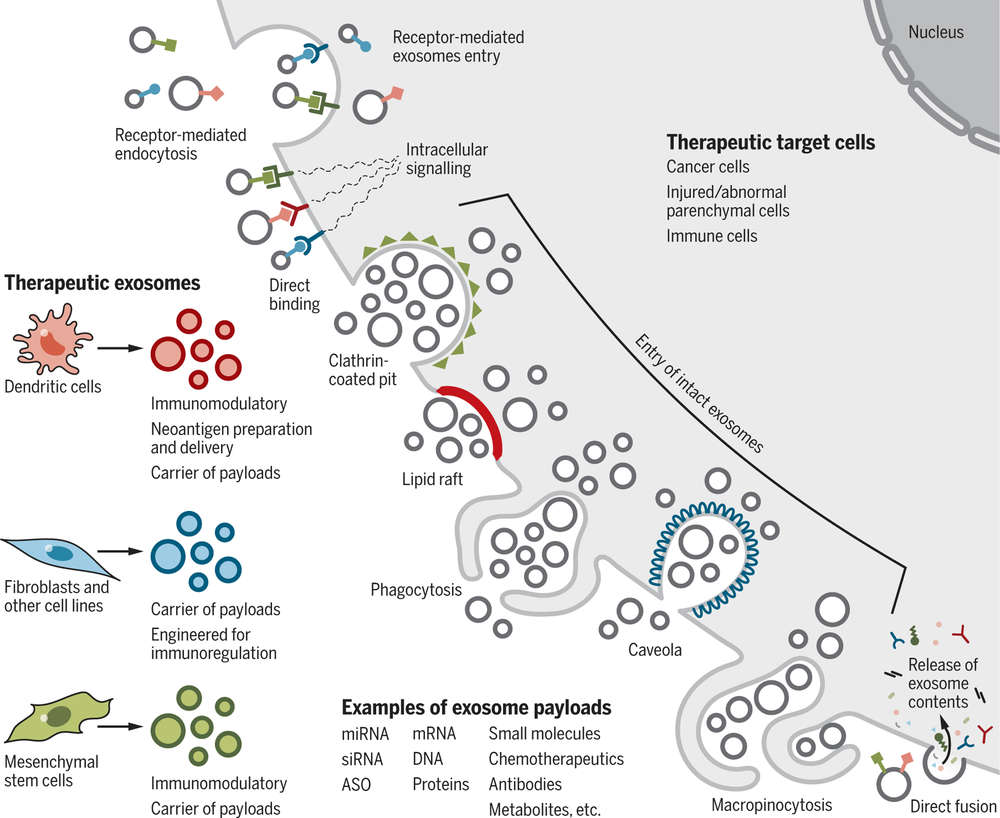
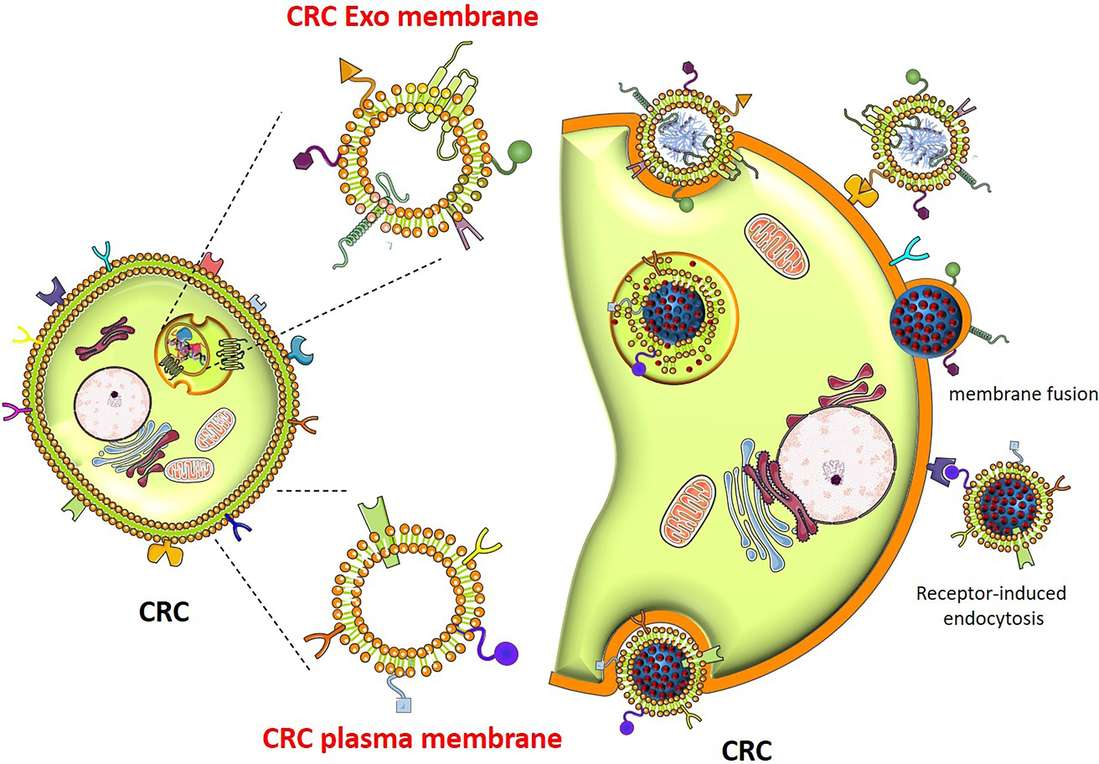 Figure 1. Mechanisms of therapeutic cancer cell membrane biomimetics uptake and fate. (Jarak I, et al., 2023)
Our CRC Research Workflow
We offer a pipeline optimized for the complexities of fecal samples and metastasis modeling.
| Research Phase | Our Specialized Approach & Solution | Key Services Applied |
|---|---|---|
| Sample Processing | Fecal Exosome Isolation: Stool is complex, full of bacteria and fiber. We use a Differential Filtration & Density Cushion protocol to separate human tumor exosomes from bacterial vesicles and debris, ensuring clean RNA extraction. | Biofluid Exosome Isolation |
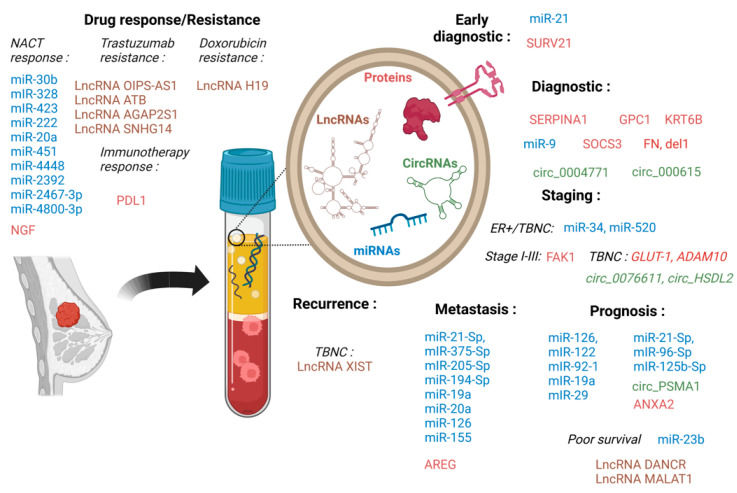
| Biomarker Discovery | circRNA Sequencing: Given the high stability of circRNAs in the gut, we perform RNase R-treated RNA-Seq to enrich for circular transcripts. We identify CRC-specific circRNA signatures that correlate with tumor stage. | Exosomal circRNA Sequencing |
| Functional Modeling | Gut-Liver Axis Models: We use transwell co-cultures of CRC cells and Hepatic Stellate Cells (HSCs) or Kupffer cells. We test if CRC exosomes activate these liver cells (e.g., inducing fibrosis or inflammation) to prepare the metastatic soil. | Exosome Cellular Functional Assays |
| Metastasis In Vivo | Intrasplenic Injection: To mimic portal vein metastasis, we inject labeled exosomes directly into the spleen of mice. We quantify the burden of metastatic nodules formed in the liver using Bioluminescence Imaging (BLI). | In Vivo Exosome Functional Assays |
Core Technologies for CRC Oncology
We utilize specific assays to handle fecal samples and target the unique biology of colorectal tumors.
Stool Exosome Isolation & RNA Extraction
Mastering the Matrix: Extracting RNA from stool is difficult due to PCR inhibitors. Our specialized workflow includes steps to remove bacterial vesicles and enzymatic digestion to eliminate extra-vesicular protein complexes. This yields high-purity exosomes suitable for detecting low-abundance targets like mutant KRAS or NDRG1.
Exosomal circRNA Sequencing
The Ideal Stool Biomarker: Linear RNAs degrade quickly in feces, but circular RNAs (circRNAs) do not. Our circRNA Sequencing service uses distinct library prep methods (removing linear RNA) to provide a deep read of the circular transcriptome, discovering stable markers for non-invasive screening kits.
Liver Metastasis "Pre-Niche" Assays
Predicting Spread: Before metastasis is visible, the liver changes. We analyze the Liver Pre-Metastatic Niche in mice treated with CRC exosomes. We use immunohistochemistry to detect vascular leakiness (CD31) and the recruitment of bone marrow-derived cells (CD11b+), confirming the exosome's role in preparing the liver for tumor engraftment.
Application Spotlight: Adipose Exosomes Block Ferroptosis to Induce Resistance
This analysis highlights how the tumor microenvironment (specifically adipose tissue) utilizes exosomes to metabolically reprogram cancer cells, blocking cell death.
Featured Technologies:
- Exosome Proteomics
- In Vitro Chemoresistance & Ferroptosis Assays
Literature Interpretation:
Chemoresistance represents a major failure in colorectal cancer treatment, particularly in patients with high visceral fat. Researchers investigated the crosstalk between adipocytes and tumor cells to understand this link. The study revealed that adipocytes secrete exosomes enriched with Microsomal Triglyceride Transfer Protein (MTTP). Upon uptake by colorectal cancer cells, exosomal MTTP alters intracellular lipid metabolism to specifically lower lipid peroxidation levels. This metabolic shift effectively suppresses ferroptosis, an iron-dependent form of cell death, thereby shielding the cancer cells from the cytotoxic effects of oxaliplatin. This discovery highlights the critical role of stromal-derived exosomes in regulating metabolic cell death pathways.
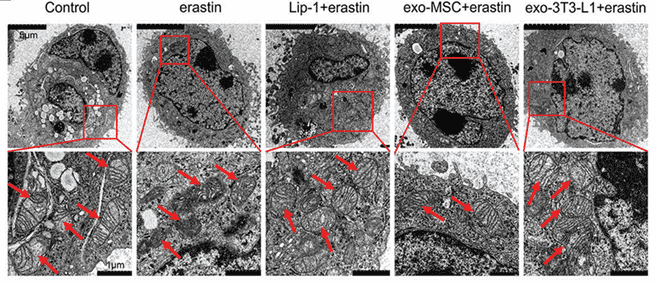 Figure 2. TEM images and mitochondrial damage quantification in SW480 cells treated with erastin, lip-1, or adipocyte exosomes. (Zhang Q, et al., 2022)
Start Your CRC Project
Advance your research on non-invasive diagnosis and metastasis prevention.
How It Works: Our Project Pathway
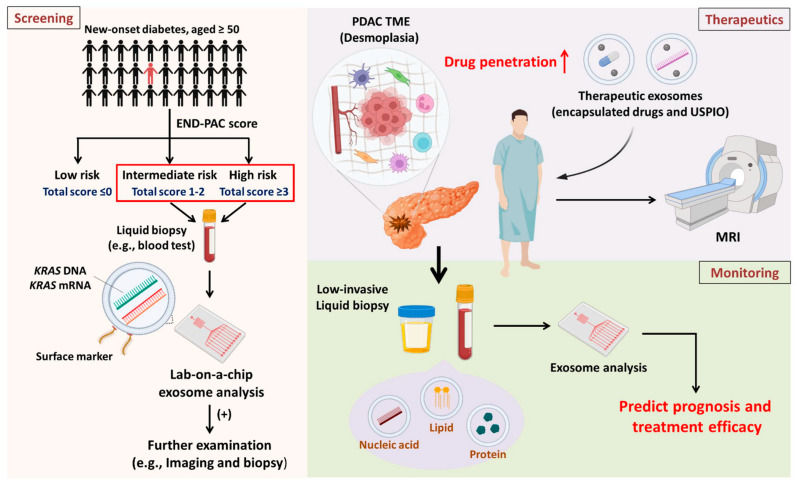
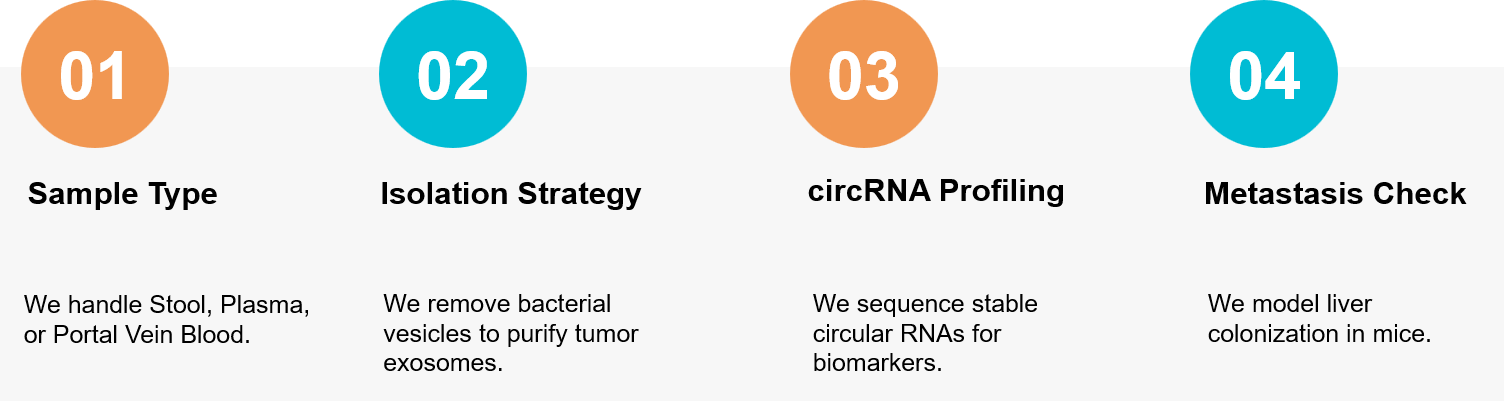 Figure 3. Our integrated workflow for isolating tumor exosomes from fecal samples and characterizing their role in the gut-liver metastatic axis using circRNA profiling. (Creative Biostructure)
Ready to transform colorectal cancer screening or therapy? Our oncology team is available to discuss your stool-based biomarkers or liver metastasis models. Contact us today to discuss your project.
References
- Jarak I, Isabel Santos A, Helena Pinto A, et al. Colorectal cancer cell exosome and cytoplasmic membrane for homotypic delivery of therapeutic molecules. Int J Pharm. 2023 Nov 5;646:123456.
- Zhang Q, Deng T, Zhang H, et al. Adipocyte-Derived Exosomal MTTP Suppresses Ferroptosis and Promotes Chemoresistance in Colorectal Cancer. Adv Sci (Weinh). 2022 Oct;9(28):e2203357.