Targeted Exosome Metabolomics Service
Exosomes carry unique proteins, nucleic acids, and key metabolic information from their source cells. They document subtle changes in physiological and pathological states, serving as a valuable resource for exploring disease mechanisms, discovering biomarkers, and advancing precision medicine. However, traditional metabolomics often faces challenges posed by biological complexity, making it difficult to accurately capture authentic signals from specific cellular origins. Creative Biostructure's targeted exosome metabolomics analysis service is designed to meet clients' unique research objectives. Leveraging cutting-edge separation techniques and high-sensitivity targeted mass spectrometry, we achieve precise qualitative and absolute quantitative analysis of metabolites in specific exosome subtypes. Whether advancing basic research or clinical studies, we stand ready to support your research endeavors.
Why Perform Targeted Metabolomics Analysis on Exosomes?
Exosomes, as key mediators of intercellular communication, carry metabolites (such as amino acids, nucleotides, lipid derivatives, and small molecule hormones) that serve as a "functional molecular fingerprint" reflecting cellular physiological states, disease progression, or drug responses. Targeted metabolomics serves as the key tool to unlock this fingerprint. Unlike untargeted metabolomics, targeted analysis uses customized strategies for known metabolites. It solves the key challenges of low abundance and matrix interference; allows precise quantification of critical metabolites; and avoids redundant data, ensuring clarity in the results.
Whether applied to screening exosomal metabolic biomarkers for early disease diagnosis (e.g., abnormal elevation of specific amino acids in serum exosomes of cancer patients), elucidating exosome-mediated cellular communication mechanisms (e.g., regulation of anti-inflammatory metabolites in immune cell-derived exosomes), or validating drug-induced modulation of specific exosomal metabolic pathways, targeted metabolomics delivers highly specific and reproducible data analysis.
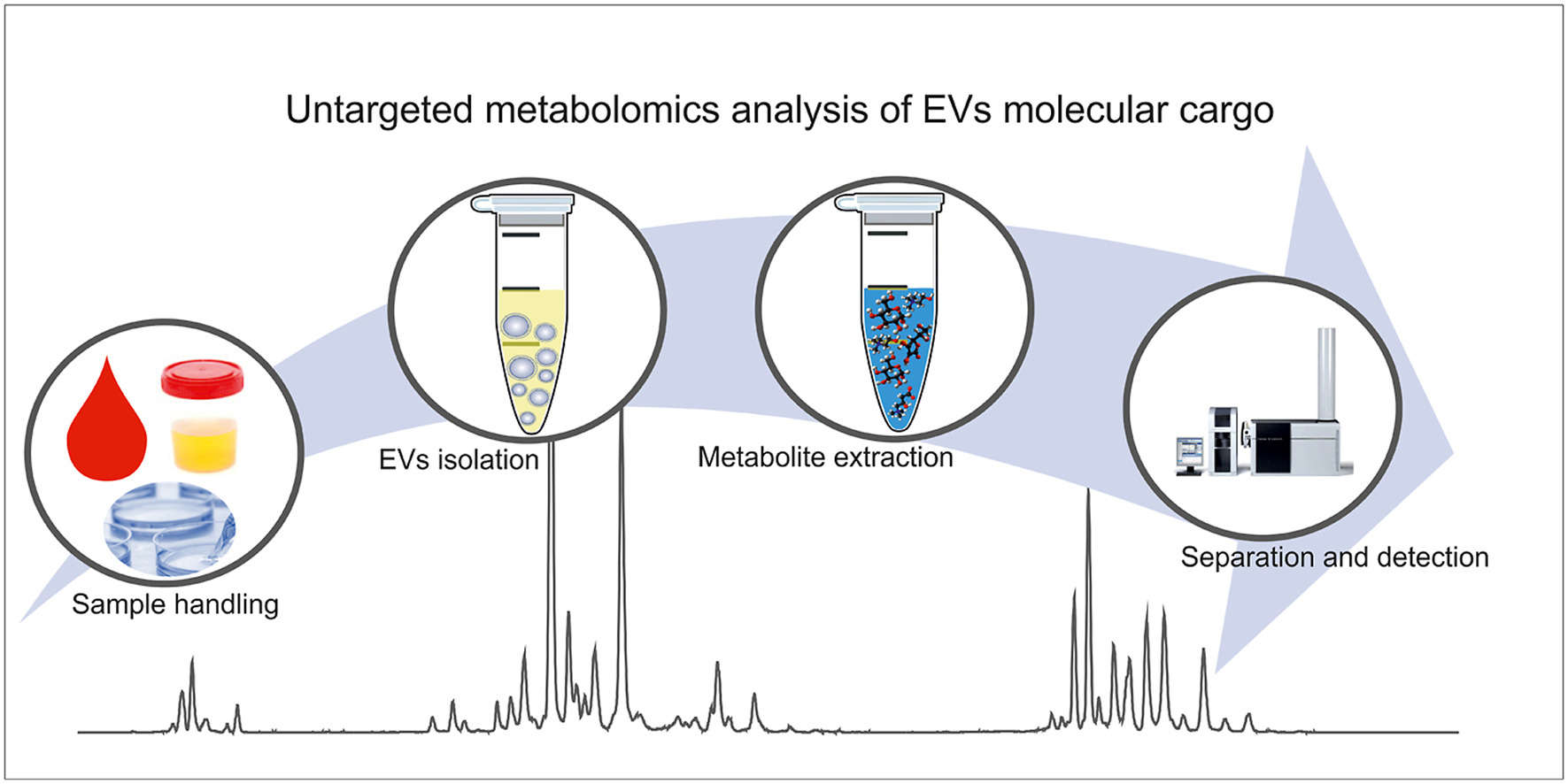
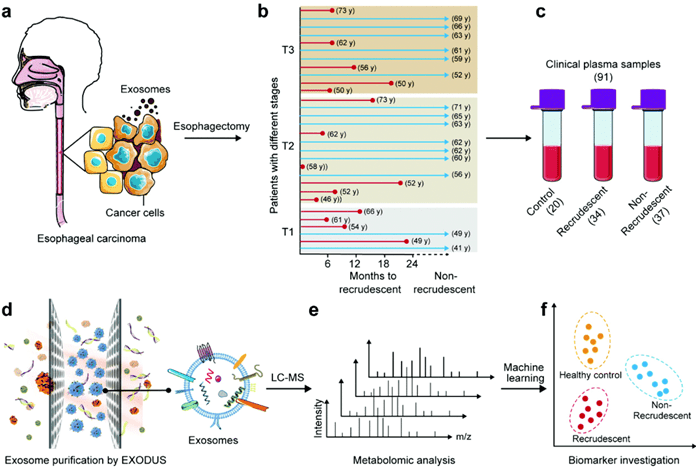 Figure 1. Schematic workflow of ESCC study via exosome metabolomics. (Zhu, Q. F. et al., 2021)
Our Targeted Exosome Metabolomics Service
Our exosome-targeted metabolomics service specializes in analyzing specific metabolites within these vital biological carriers. Utilizing highly sensitive and specific targeted detection technologies, we deliver precise quantification of key metabolites. Our analysis covers essential classes including amino acids, lipids, carbohydrates, and organic acids. This comprehensive approach provides reliable data to support your research and clinical translation goals.
Our comprehensive service includes:
- Efficient exosome separation and purification.
- Metabolite extraction and enrichment.
Our specialized services enable precise qualitative and quantitative analysis of metabolites. By integrating multi-omics correlation, differential screening, and functional annotation, we assist in deciphering the metabolic regulatory mechanisms of exosomes, identifying disease biomarkers, and supporting drug development and translational medical research. We provide efficient and reliable technical support along with in-depth data interpretation for both scientific research and industrial applications.
Workflow of Our Targeted Exosome Metabolomics Service
Sample Reception and Exosome Purification
We accept various common samples including serum, cell culture supernatants, and urine. Utilizing ultracentrifugation or magnetic bead separation techniques, we efficiently remove impurities such as contaminating proteins and free nucleic acids, enabling precise isolation and purification of exosomes. This establishes a high-quality sample foundation for metabolite detection.
Target Metabolite Extraction and Detection
Leveraging the high sensitivity and specificity of LC-MS/MS technology, we perform precise qualitative and quantitative analysis of target metabolites including amino acids, lipids, and carbohydrates, ensuring the reliability and stability of detection results.
Data Analysis and Interpretation
We perform metabolite quantification calibration and differential screening using specialized analytical software. By integrating GO/KEGG functional enrichment analysis and multi-omics correlation analysis techniques, we identify key differentially expressed metabolites and decipher exosome-mediated metabolic regulatory mechanisms, providing robust data support for scientific discovery and clinical translation.
Report Delivery
We provide clients with comprehensive deliverables throughout the entire process, including raw data, quantitative results, variance analysis charts, and a complete analytical report with mechanism inferences.
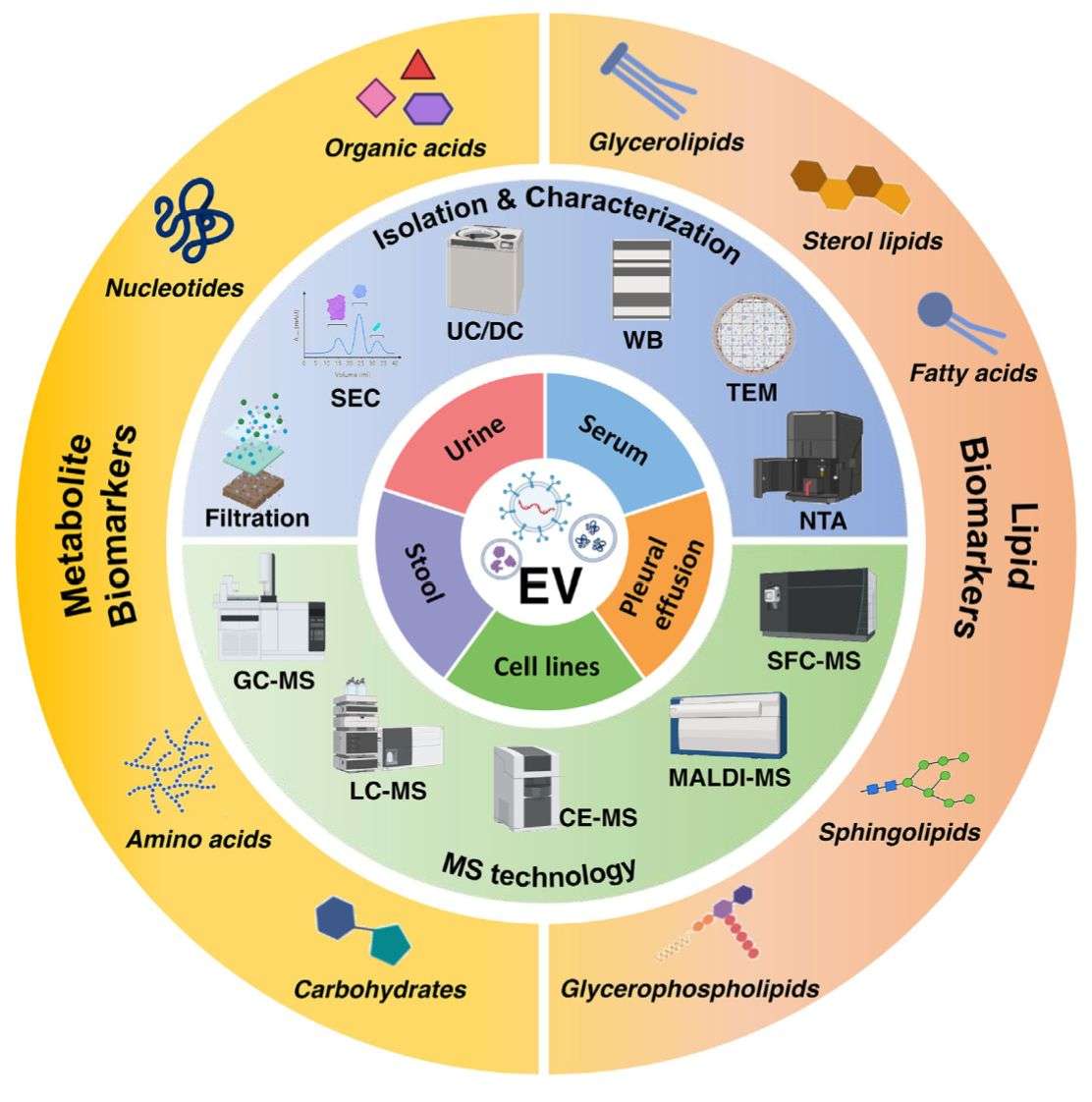
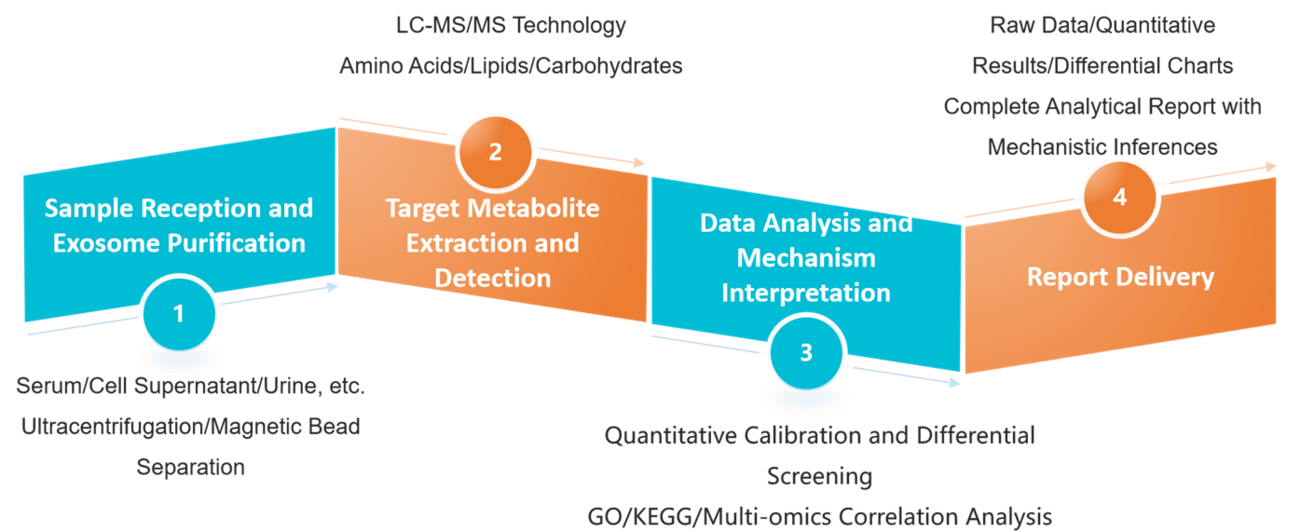 Figure 2. Service process for targeted exosome metabolomics. (Creative Biostructure)
Advantages of Our Targeted Exosome Metabolomics Service
Targeted Quantitative Analysis
By leveraging the gold-standard LC-MS/MS technology and custom panels for hundreds of metabolites, our service achieves high specificity and sensitivity. This enables the accurate quantification and differential screening of targeted metabolites in exosomes.
Exosome-Specific Optimization Workflow
We purify exosomes using standardized methods like ultracentrifugation and extract metabolites with specialized protocols. The sample purity is validated through dual quality controls (NTA and Western Blot for CD63/CD81), which effectively excludes interference from cell debris and protein contaminants.
In-depth Bioinformatics Analysis
We deliver extensive analytical support, from foundational visualizations like volcano plots and heatmaps to advanced functional insights through KEGG/GO enrichment and correlation studies. We also specialize in integrating metabolomic data with transcriptomic and proteomic datasets, empowering you to uncover the critical links between metabolites and disease mechanisms.
Case Study
Case: Untargeted Lipidomics of Bovine, Goat, and Giant Panda Milk
Background
Exosomes have been extensively explored as attractive biomarkers for cancer diagnosis and treatment. However, little is known about exosome metabolomics and their roles in esophageal squamous cell carcinoma (ESCC). This study conducts targeted metabolomic analysis on plasma exosomes to identify promising novel biomarkers for the diagnosis and prognosis of ESCC.
Research Highlights
- Targeted metabolomic analysis of plasma exosomes identified 196 metabolites, with the major classes being lipids and fatty acids, benzenoids, amino acids, organic acids, carbohydrates, and fatty acyls.
- Systematically compared metabolome patterns of exosomes via machine learning from patients with recrudescence and patients without recrudescence and demonstrated a marker set consisting of 3′-UMP, palmitoleic acid, palmitaldehyde, and isobutyl decanoate for predicting ESCC recurrence with an AUC of 98%.
Conclusion
These metabolome signatures of exosomes retained a high absolute fold change value at all ESCC stages and were very likely associated with cancer metabolism, which could be potentially applied as novel biomarkers for diagnosis and prognosis of ESCC.
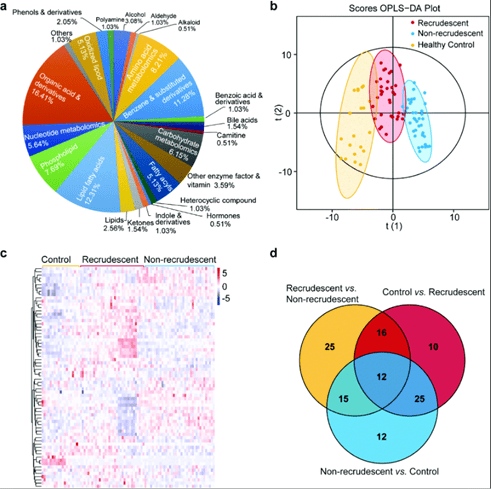 Figure 3. Metabolomic analysis of exosomes from different research groups: healthy control, recrudescent and non-recrudescent groups. (Zhu, Q. F. et al., 2021)
Creative Biostructure's targeted exosome metabolomics service delivers comprehensive analysis of exosome-contained metabolites to power our client's biomarker discovery and functional mechanism research. We combine advanced LC-MS/MS platforms with customized analytical strategies to provide client with reliable, quantitative data and actionable biological insights. Contact us today to discuss your project needs and partner with experts for reliable, research-accelerating metabolomics results.
Reference
- Zhu, Q. F., et al. Metabolomic analysis of exosomal-markers in esophageal squamous cell carcinoma. Nanoscale. 13.39 (2021): 16457-16464.
Frequently Asked Questions
For any inquiries, our support team is ready to help you get technical support for your research and maximize your experience with Creative Biostructure.