Exosome Targeted Delivery of Peptides
Peptide therapeutics offer high specificity and low toxicity, yet their clinical application is often hindered by rapid enzymatic degradation in the blood and poor membrane permeability. Most peptides have a half-life of only minutes and struggle to reach intracellular targets.
We provide specialized exosome peptide delivery solutions. By engineering exosomes to either encapsulate peptides within their protective lumen or display them on their surface, we dramatically extend the circulating half-life of your candidate. Our platform protects peptides from proteolysis and facilitates active transport into target cells, transforming unstable sequences into viable therapeutic candidates.
The Exosome Advantage for Peptide Therapeutics
Why use exosomes instead of PEGylation or synthetic nanoparticles? Exosomes offer a biological solution to the inherent instability of peptides.
- Protease Protection: The exosome lipid bilayer shields encapsulated peptides from serum proteases and peptidases, significantly extending their in vivo half-life without altering the peptide sequence.
- Enhanced Cellular Uptake: Unlike naked peptides which often require high doses to force entry, exosomes enter cells via efficient endocytic pathways, delivering the peptide cargo directly into the cytoplasm.
- Surface Display Capabilities: For peptides that act on cell surface receptors (e.g., antagonists or ligands), we can genetically engineer the exosome to present the peptide on its outer membrane, mimicking natural ligand-receptor interactions.
- Blood-Brain Barrier Crossing: Exosomes can transport therapeutic peptides across the BBB, enabling the treatment of CNS disorders that are inaccessible to standard peptide formulations.
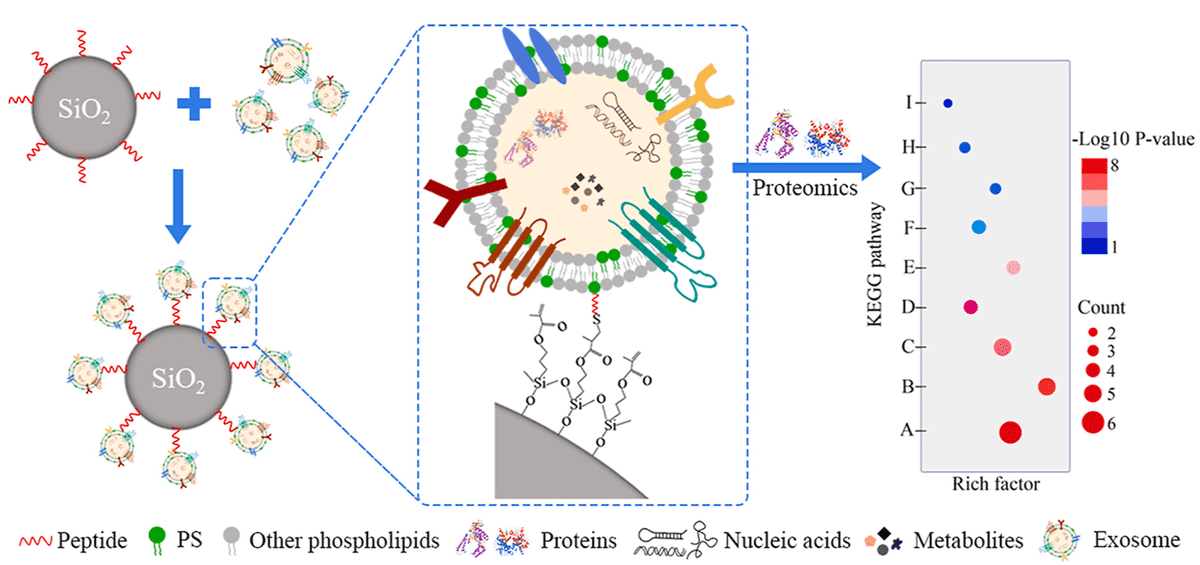 Figure 1. Phosphatidylserine-affinity peptides functionalized SiO2 microspheres for exosome isolation and proteomic analysis. (Xu K, et al., 2025)
Our Specialized Peptide Loading Workflow
We offer two distinct engineering strategies depending on whether your peptide targets an intracellular or extracellular receptor.
| Targeting Strategy | Our Specialized Approach & Solution | Key Services Applied |
|---|---|---|
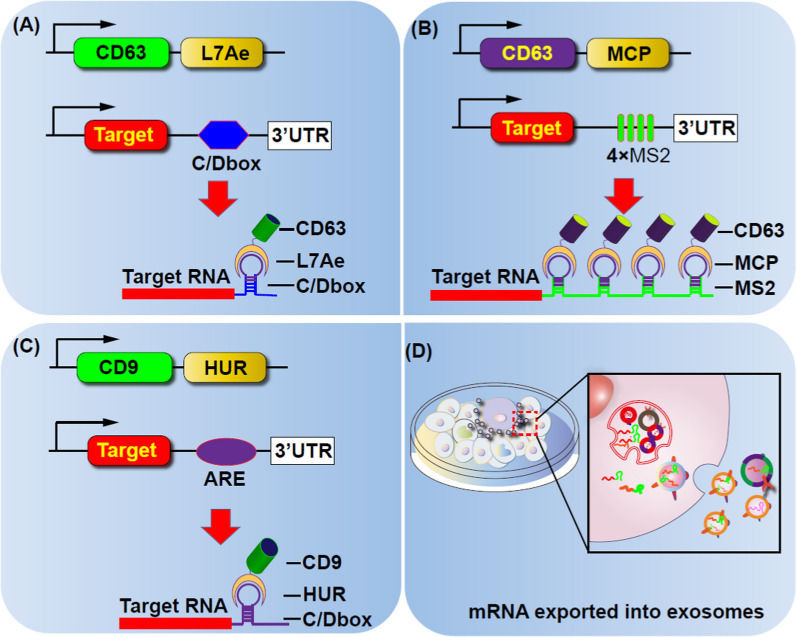
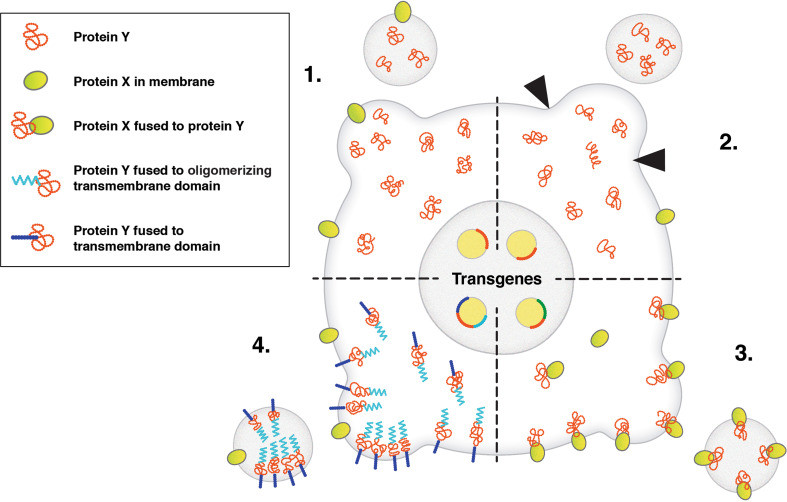
| Surface Display (Extracellular Targets) | Genetic Fusion: We fuse the DNA sequence of your peptide to exosomal membrane anchor proteins (such as Lamp2b, CD63, or PDGFR). The producer cells then manufacture exosomes with your therapeutic peptide displayed in high density on the surface. | Genetically Engineered Exosome Surface Display, Upstream Process Development (Cell Culture Optimization) |
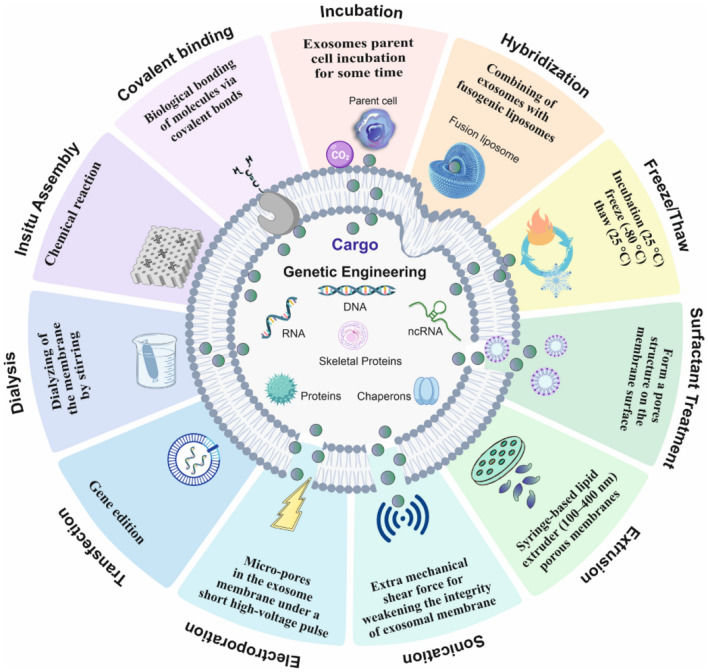
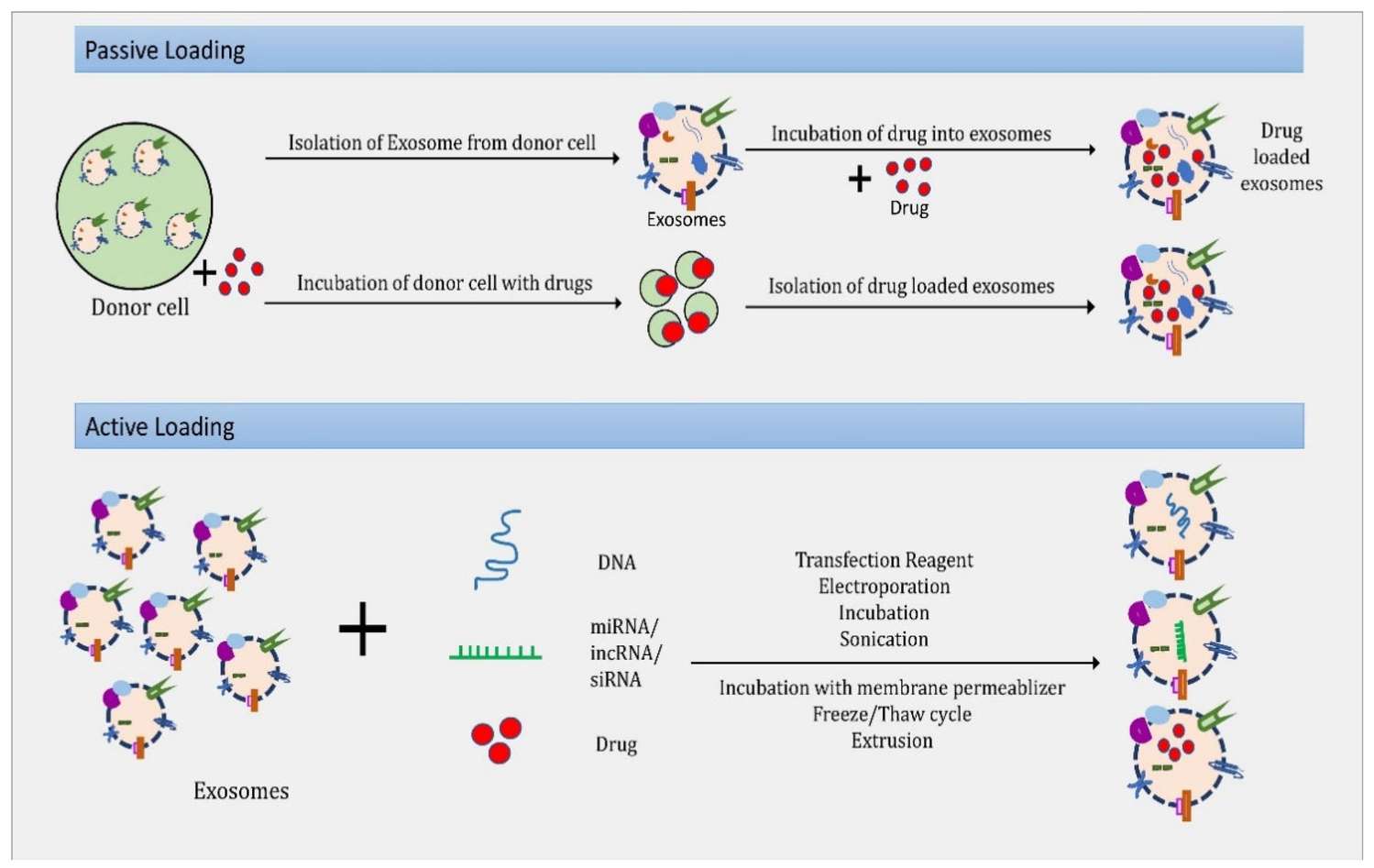
| Lumenal Encapsulation (Intracellular Targets) | Active Loading: For peptides that need to work inside the cell, we utilize electroporation or freeze-thaw cycles. We optimize the buffer conditions to maximize loading efficiency while preserving the peptide's secondary structure and function. | Exosome Protein and Peptide Loading, Downstream Purification & Formulation |
| Purification & QC | Removal of Free Peptide: To ensure accurate dosing, we use Size Exclusion Chromatography (SEC) to remove unencapsulated peptides. We quantify the final peptide concentration using high-sensitivity HPLC or colorimetric assays. | Exosome Purification by Size Exclusion Chromatography (SEC), Exosome Purity Analysis |
| Stability & Function Testing | Protease Resistance Assays: We expose the formulation to serum or specific proteases (e.g., Trypsin) to validate protection. We then confirm bioactivity using receptor binding assays or functional cell-based models. | In Vitro Exosome Functional Assays, Exosome Characterization Technologies |
Core Technologies for Your Peptide Program
We address the specific technical challenges of peptide engineering and stability.
Genetic Surface Display Platform
Optimized Anchoring: The key to surface display is the anchor. We have optimized a library of scaffold proteins (including Lamp2b and Glycosylphosphatidylinositol (GPI) anchors) to ensure your peptide is projected correctly away from the exosome membrane, maintaining its binding affinity for the target receptor.
Peptide Stability Validation
Proving Half-Life Extension: We provide definitive pharmacokinetic (PK) data. By comparing the circulation time of "Naked Peptide" vs. "Exosome-Peptide" in animal models, we quantify exactly how much the exosome vehicle has extended the therapeutic window, a critical data point for IND applications.
Intracellular Delivery verification
Confirming Cytosolic Access: For encapsulated peptides, we use fluorescent tagging and confocal microscopy to track the cargo. We validate that the peptide successfully escapes the endosome and reaches its intracellular target, differentiating our service from simple uptake assays.
Application Spotlight: Targeted Delivery via Peptide Surface Display
This analysis highlights the power of genetically engineering exosomes to display specific peptides for targeted delivery, a core capability of our platform.
Featured Technologies:
- Exosome Surface Engineering (Peptide Display)
- In Vivo Targeting Validation
Literature Interpretation:
This foundational study demonstrated the feasibility and efficacy of displaying peptides on the exosome surface to achieve targeted delivery. The researchers genetically engineered donor HEK293 cells to express the GE11 peptide (a specific ligand for the EGFR receptor) fused to the exosomal membrane protein Lamp2b. The harvested exosomes successfully displayed the GE11 peptide on their surface. When injected intravenously into mice bearing EGFR-positive tumor xenografts, these engineered exosomes showed highly specific accumulation in tumor tissues compared to control exosomes. This study validates the genetic surface display platform, proving that fusing peptides to membrane anchors like Lamp2b is a robust strategy for directing exosomes to specific tissues and enhancing therapeutic efficacy.
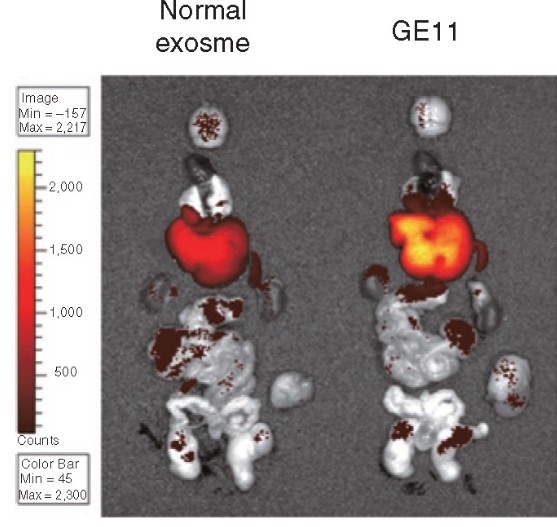 Figure 2. GE11-positive exosome migration to EGFR-expressing tumor tissues. The migration of fluorescently labeled exosomes was detected with an in vivo imaging system (IVIS). (Ohno S, et al., 2013)
Start Your Peptide Delivery Project
We make getting started straightforward. Our process is designed to be collaborative and transparent.
How It Works: Our Project Pathway
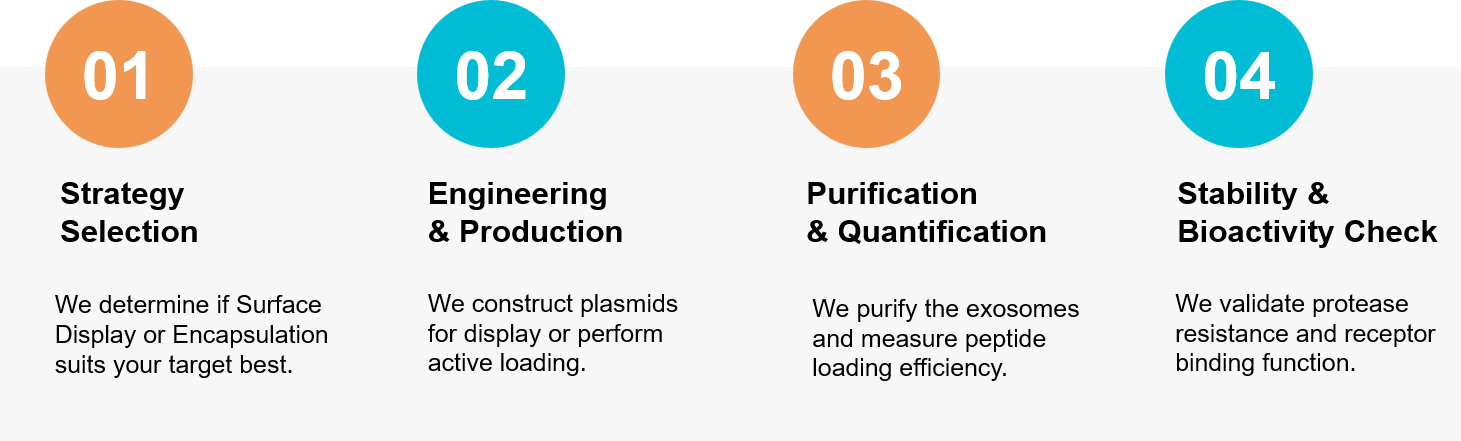 Figure 3. Our workflow for engineering exosomes to display or encapsulate therapeutic peptides for targeted delivery. (Creative Biostructure)
Ready to improve the stability and targeting of your peptide? Our scientific team is available for a free consultation to discuss your peptide delivery strategy. Contact us today to discuss your project.
References
- Xu K, Huang YY, Zhao R. [Research progress of peptide recognition-guided strategies for exosome isolation and enrichment]. Se Pu. 2025 May;43(5):446-454. Chinese.
- Ohno S, Takanashi M, Sudo K, et al. Systemically injected exosomes targeted to EGFR deliver antitumor microRNA to breast cancer cells. Mol Ther. 2013 Jan;21(1):185-91.