Milk Exosome Lipidomics Analysis Service
Milk exosome lipidomics analysis enables the comprehensive profiling of functional lipids (such as phospholipids and sphingolipids) within milk exosomes. These lipids play a critical role in nutrient absorption, gut health, and the development of functional dairy products. Creative Biostructure offers professional milk exosome lipidomics analysis services. Leveraging advanced mass spectrometry and bioinformatics, we provide in-depth characterization of lipid compositions in milk exosomes, delivering scientific support for dairy R&D, functional food development, and nutritional research.
Why Analyze Lipids in Milk Exosomes?
Lipids go beyond their role as structural components of milk exosomes and are fundamental to their function. As natural nanocarriers, exosomes rely on their lipid membranes to protect and deliver bioactive molecules. Analyzing the lipid profile allows us to uncover their roles in nutrient absorption, immune modulation, and gut health. Furthermore, specific lipids, such as phospholipids and sphingolipids, serve as key mediators in cellular communication and metabolic regulation. By characterizing these lipids, we can enhance the development of functional dairy products, improve nutritional strategies, and unlock potential applications in targeted delivery systems. Understanding milk exosome lipids bridges the gap between nutrition and biotechnology, paving the way for smarter health solutions.
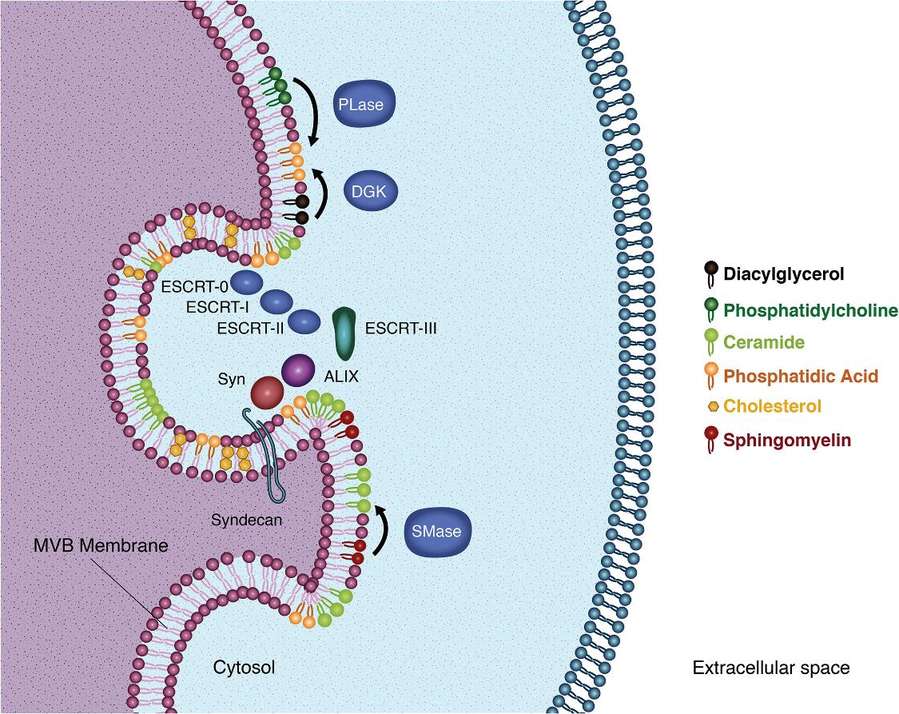
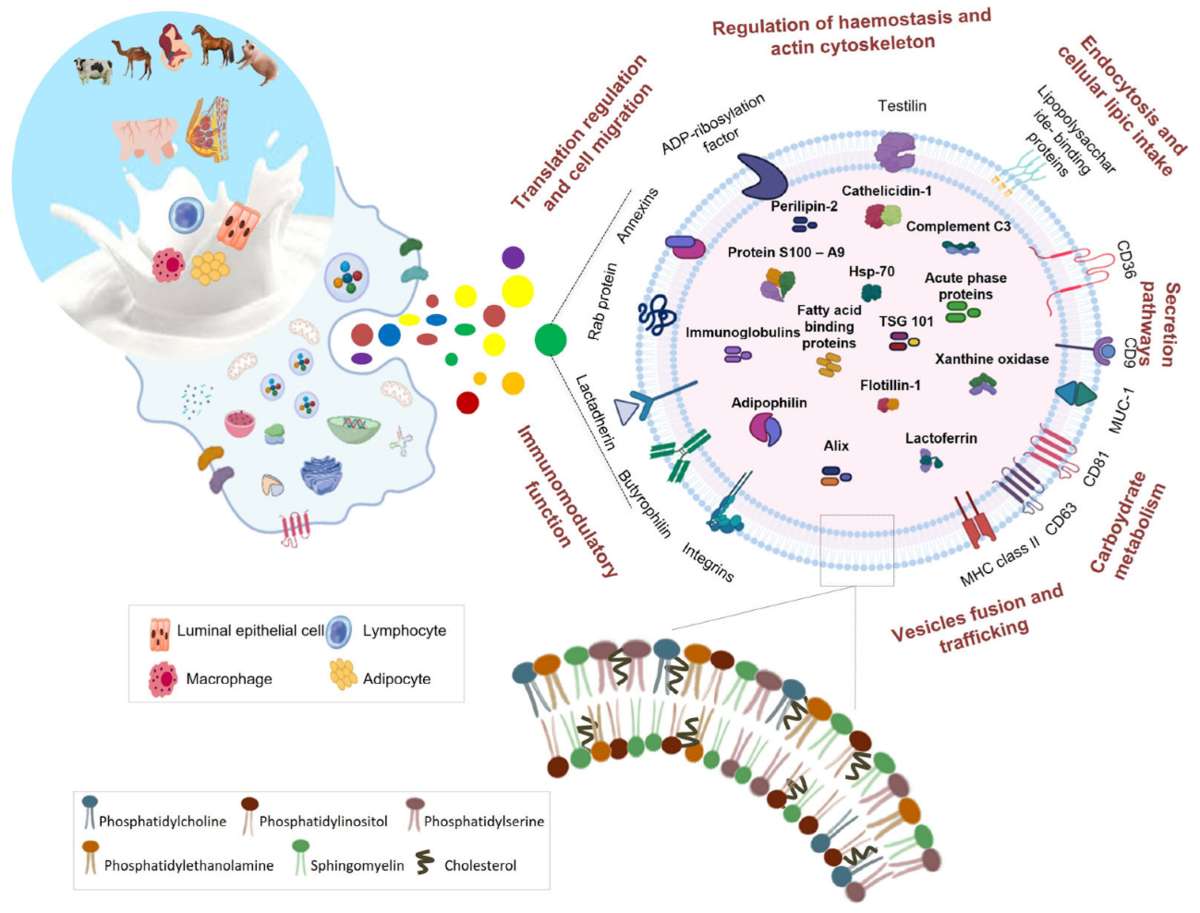 Figure 1. Protein and lipid cargo of milk EVs. (Buratta, S. et al., 2023)
Our Milk Exosome Lipidomics Analysis Service
As essential mediators of intercellular communication, exosomes rely on their lipid components to play a pivotal role in nutrient delivery and bioactivity. We provide comprehensive milk exosome lipidomics analysis solutions to support your research and development needs.
| Services | Description |
|---|---|
| Exosome Isolation and Purification | Using ultracentrifugation combined with density gradient centrifugation, we efficiently isolate exosomes from milk, ensuring high purity and integrity to establish a solid foundation for subsequent analysis.
|
| Comprehensive Lipidomics Analysis | Using ultra-high performance liquid chromatography-tandem mass spectrometry (UHPLC-MS/MS), we comprehensively identify and quantify various lipid molecules in milk exosomes.
|
| Bioinformatics Analysis | Our specialized bioinformatics team delivers in-depth data analysis, including differential lipid screening, pathway enrichment analysis, and functional prediction.
|
Workflow of Our Milk Exosome Lipidomics Analysis Service
We adhere to strict standardized operating procedures to ensure quality control at every step, delivering reliable experimental results and analytical data for you.
Sample Reception and Evaluation
We receive milk samples, conduct quality assessment and pretreatment, determine the optimal experimental protocol, and ensure the samples meet analytical requirements.
Exosome Isolation and Purification
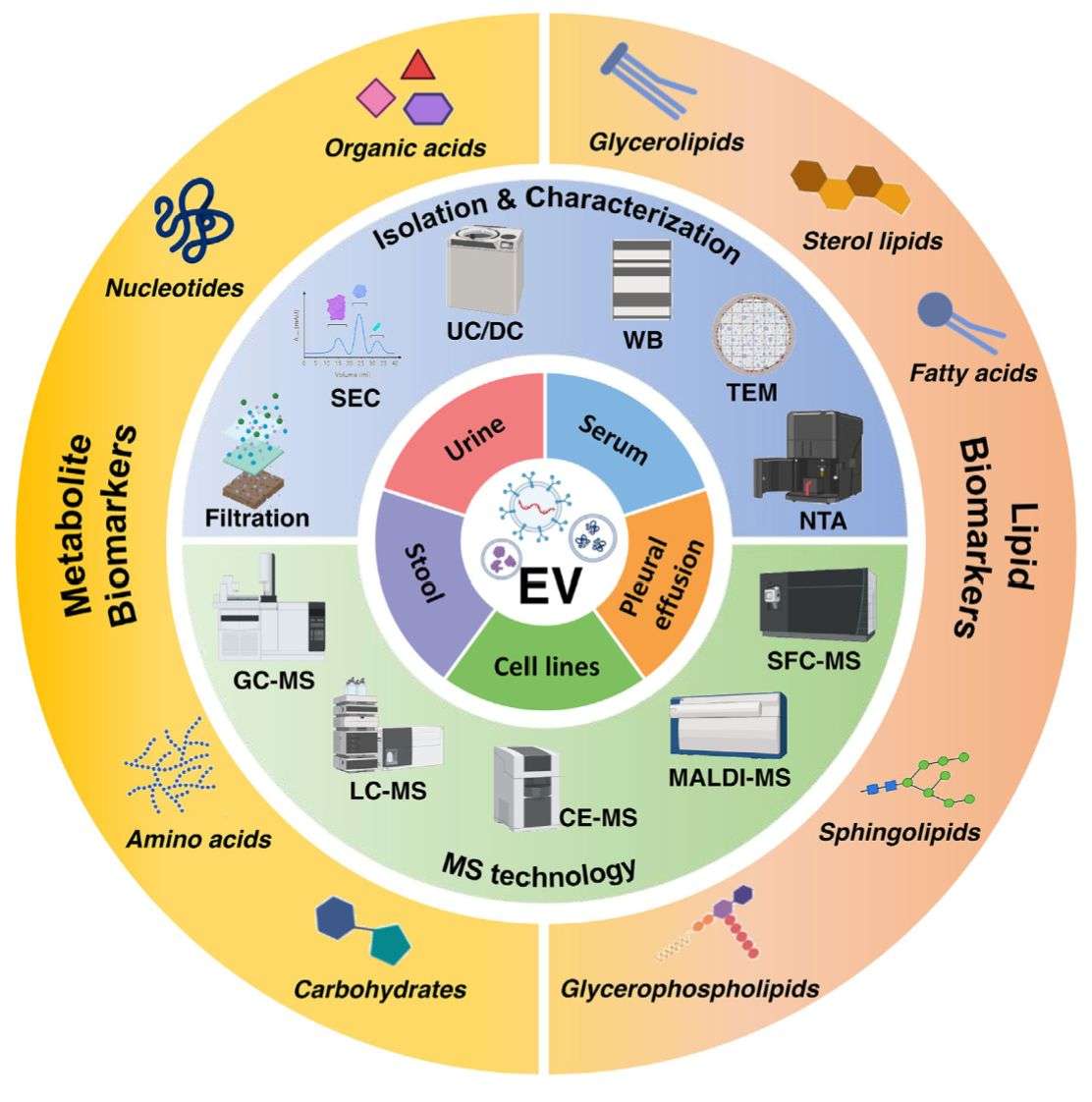
Exosomes are isolated using ultracentrifugation combined with density gradient centrifugation, with their characteristics validated through Nanoparticle Tracking Analysis (NTA) and Western blot.
Lipid Extraction and Detection
Exosome lipids are extracted using the Bligh-Dyer method, followed by lipidomics analysis with ultra-high performance liquid chromatography-tandem mass spectrometry (UHPLC-MS/MS).
Data Analysis and Interpretation
Raw data processing, lipid identification and quantification are performed, followed by bioinformatics analysis to generate visualized results and comprehensive interpretation reports.
Report Delivery and Consultation
Detailed experimental reports and data analysis results are provided, complemented by consultations with our expert team for result interpretation and follow-up experimental design guidance.
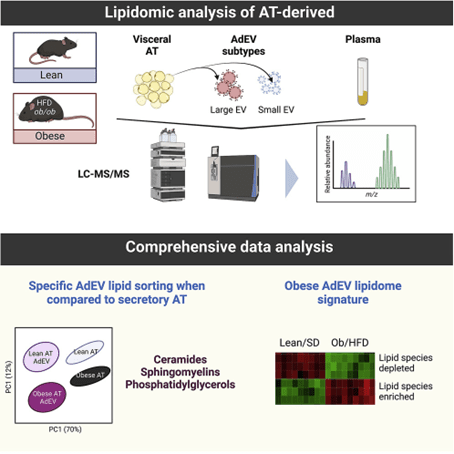
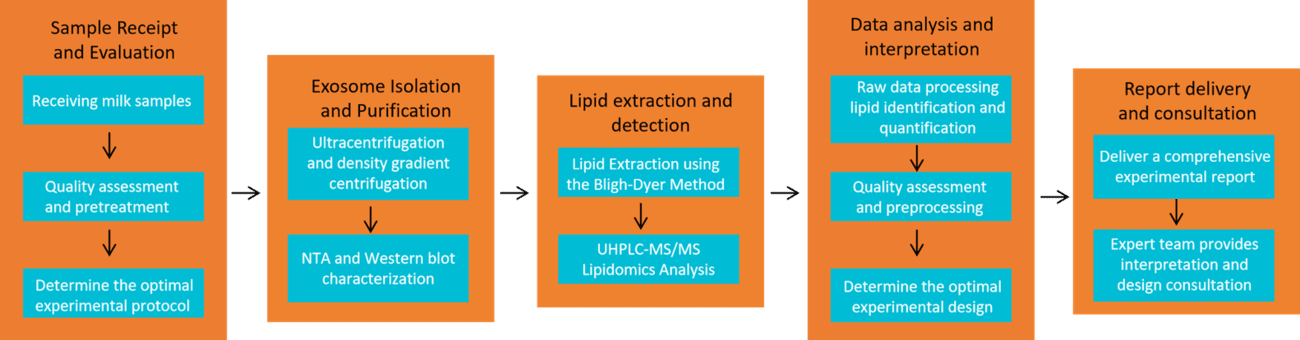 Figure 2. Process for milk exosome lipidomics analysis. (Creative Biostructure)
Applications of Our Milk Exosome Lipidomics Analysis Service
Milk exosome lipidomics analysis services hold significant application value across multiple fields, providing robust support for scientific research and industrial development.
Dairy Product Development
By analyzing the impact of different processing techniques on the milk exosome lipid composition, we optimize dairy production processes to enhance the nutritional value and functional properties of products.
Functional Food Development
Exploring bioactive lipid molecules in milk exosomes provides a scientific basis for developing functional dairy products and nutritional supplements.
Nutrition Research
Investigate the role of milk exosome lipids in human digestion, absorption, and metabolic processes, elucidating their mechanisms of action on human health.
Animal Breeding
Analyzing differences in exosomal lipid composition among different dairy cow breeds to provide molecular markers and a theoretical foundation for selecting superior dairy breeds.
Food Safety Testing
Establishing a milk quality assessment and traceability system based on exosomal lipidomics to provide new technologies and methodologies for food safety regulation.
Biomedical Research
Investigating the potential of milk exosome lipids as drug carriers to provide a research foundation for developing novel targeted drug delivery systems.
Case Study
Case: Untargeted Lipidomics of Bovine, Goat, and Giant Panda Milk
Background
This study employed non-targeted lipidomics technology to conduct a comparative analysis of lipids in bovine milk (BM), goat milk (GM) and giant panda milk (GPM).
Research Highlights
- A total of 19 lipid subclasses and 877 lipid molecules were identified in three species milk samples.
- GPM was rich in phospholipids, including glycerophosphatidylcholine (PC), glycerophosphatidylethanolamine (PE) and glycerophosphatidylinositol (PI), while BM and GM were rich in diacylglycerol (DG) and triacylglycerol (TG).
- Analysis revealed hundreds of SDLs between BM/GM and GPM in both ion modes. These lipids were implicated in 22 pathways, with sphingolipid, glycerophospholipid, and glycerolipid metabolism being the most significantly altered among the three milk species.
Conclusion
This work could provide comprehensive lipid information for GPM, BM and GM and might have important guiding significance for the research and development of GPM alternatives.
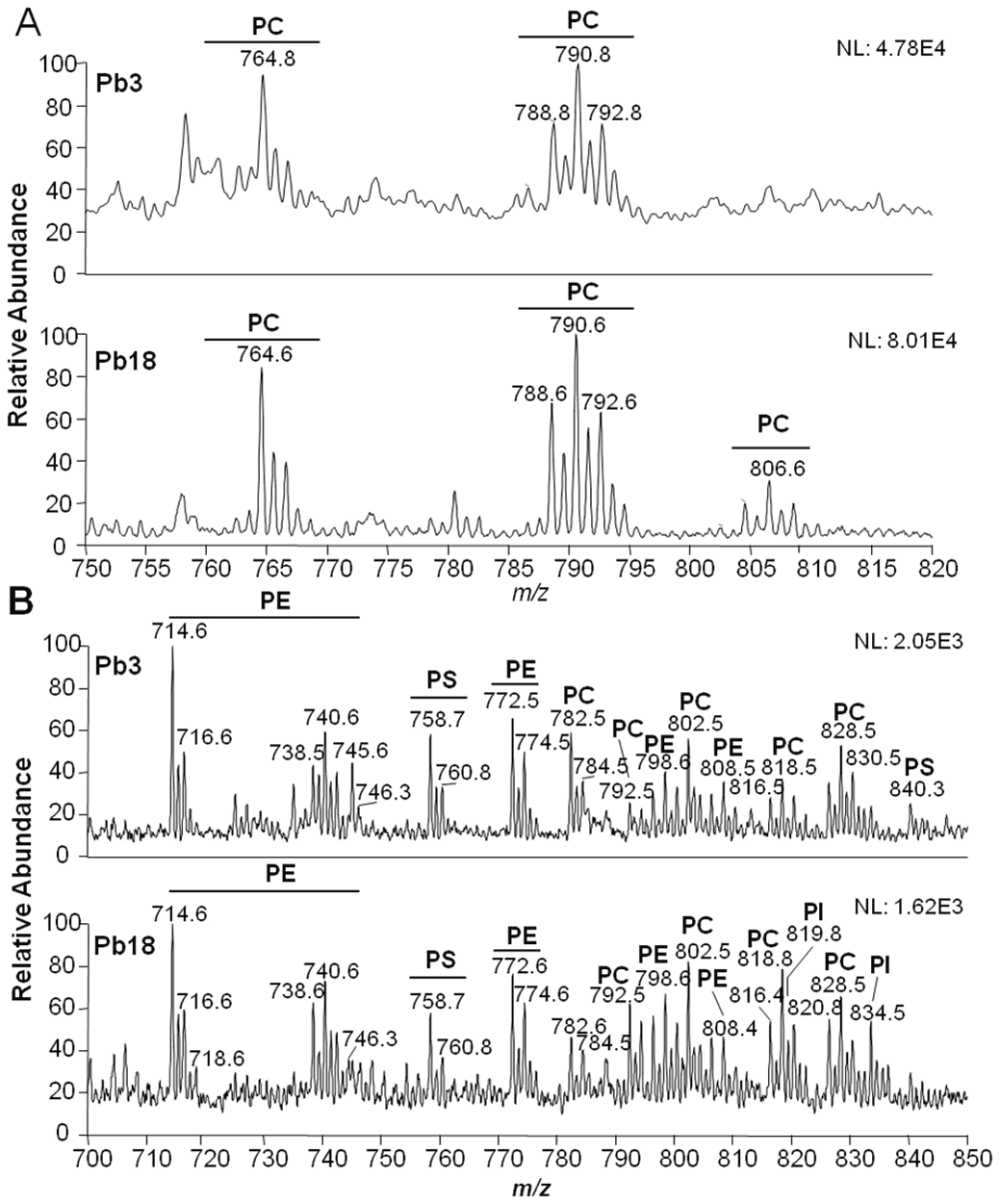
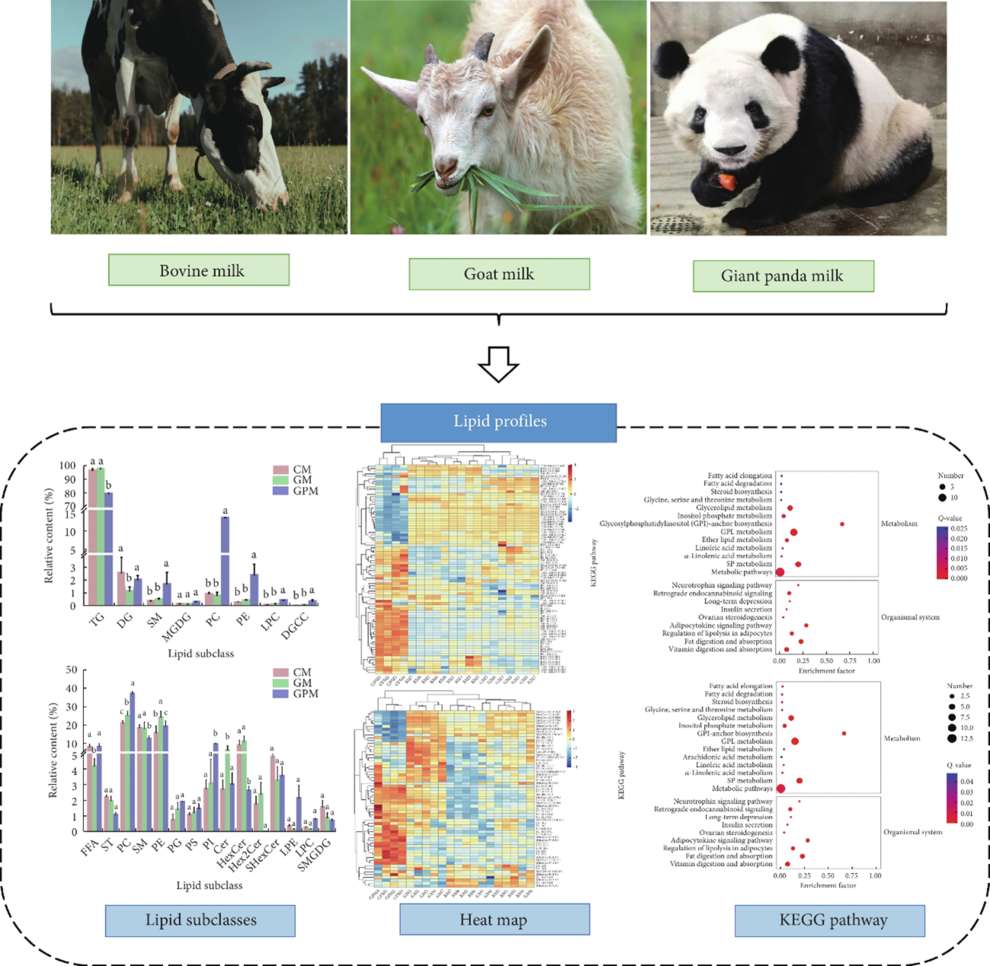 Figure 3. Lipid analysis in the bovine milk, goat milk, and giant panda milk. (Shu, Q. et al., 2025)
Creative Biostructure's milk exosome lipidomics analysis service delivers precise, in-depth lipid profiling to uncover the functional roles of milk exosomes, powering your research in nutrition, biotechnology, and therapeutic development. Benefit from our cutting-edge mass spectrometry tech, expert data analysis, and tailored workflows to accelerate discoveries. Contact us today to share your project goals and partner with specialists for reliable lipidomics results.
References
- Buratta, S., et al. Protein and lipid content of milk extracellular vesicles: a comparative overview. Life. 13.2 (2023): 401.
- Shu, Q., et al. Lipo-Nutritional Profile Analysis of Bovine Milk, Goat Milk and Giant Panda Milk Through Untargeted Lipidomics. Goat Milk and Giant Panda Milk Through Untargeted Lipidomics.
Frequently Asked Questions
For any inquiries, our support team is ready to help you get technical support for your research and maximize your experience with Creative Biostructure.