Tangential Flow Filtration (TFF)-Based Exosome Isolation Service
Creative Biostructure provides specialized exosome isolation services using tangential flow filtration, a powerful alternative to ultracentrifugation. Our platform is optimized to preserve vesicle structure, improve purity, and support large-scale processing. This service is ideal for researchers seeking reproducible and functionally intact extracellular vesicles (EVs).
What Is Tangential Flow Filtration for EVs?
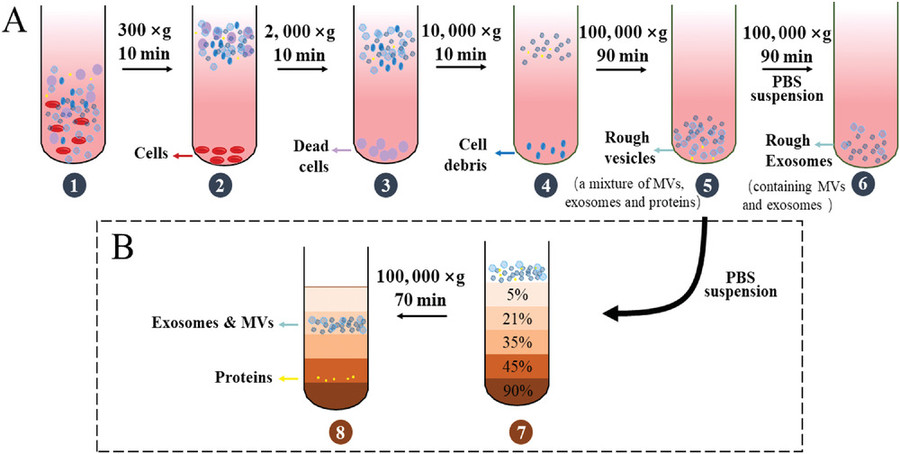
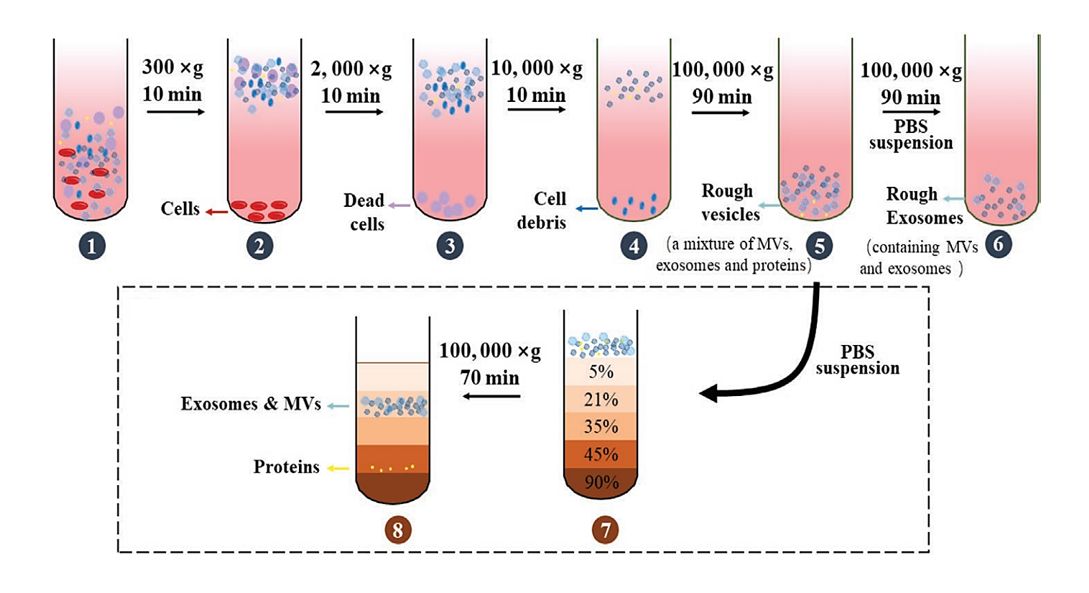
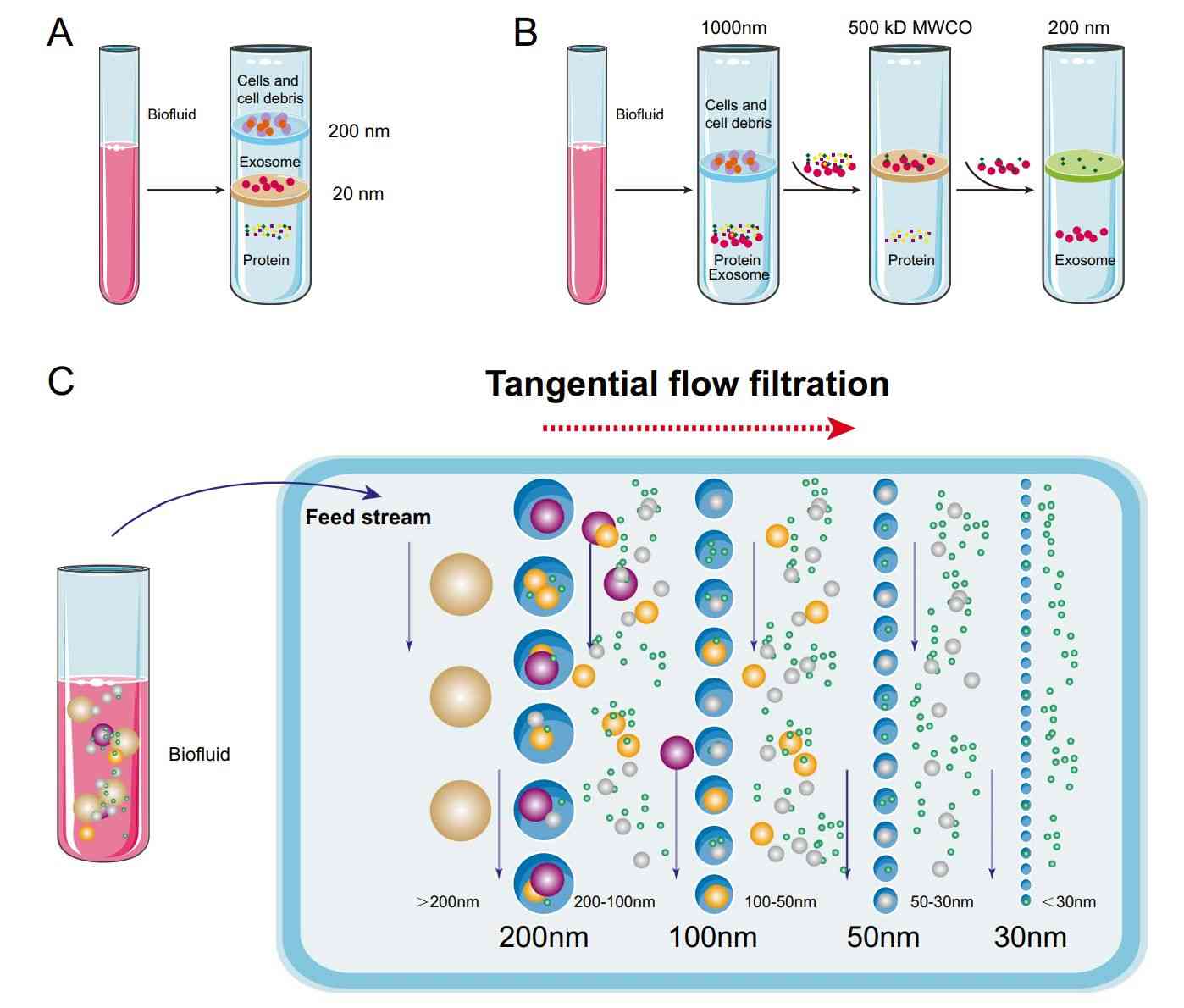
Tangential Flow Filtration (TFF) is a membrane-based purification technique where the sample flows parallel to the filter surface, rather than directly against it as in conventional (dead-end) filtration. This cross-flow configuration reduces membrane fouling, enables continuous processing, and supports efficient separation of extracellular vesicles based on size.
In the context of exosome isolation, TFF enables:
- Gentle processing to preserve EV morphology and function
- Efficient removal of protein aggregates and cell debris
- Scalability for large-volume or GMP-grade applications
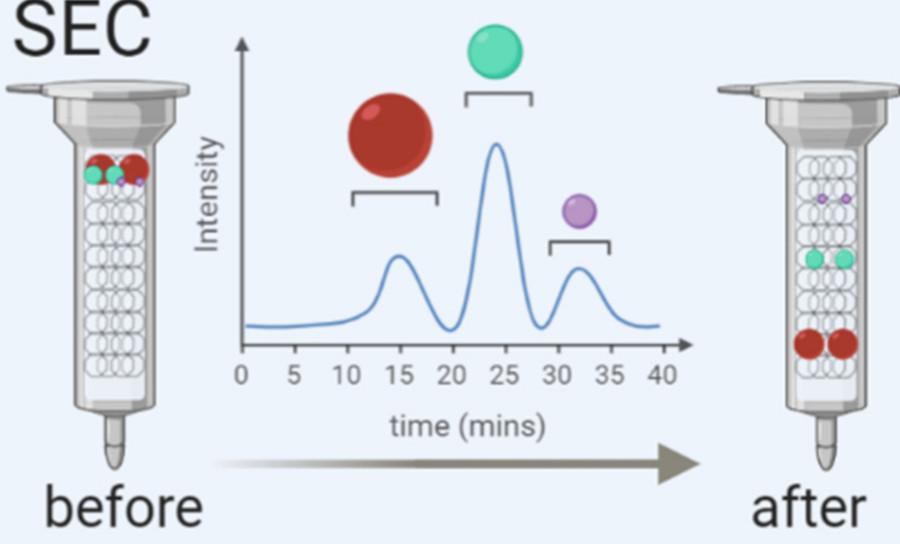
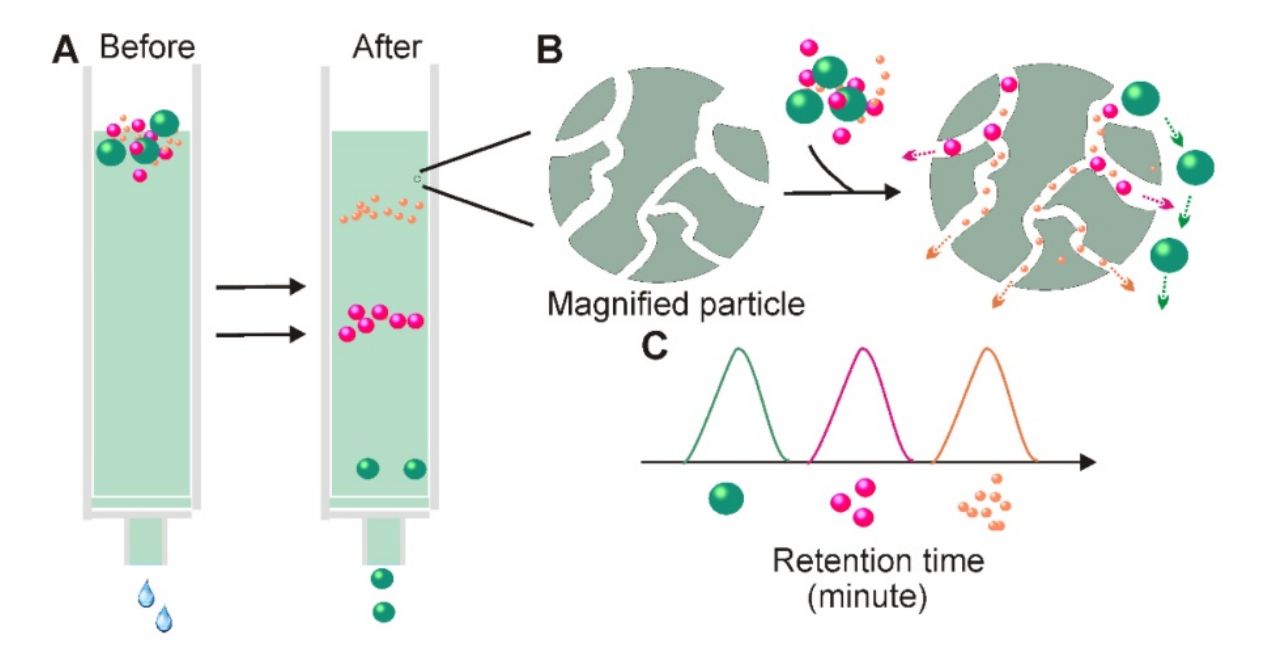
TFF is often coupled with size exclusion chromatography (SEC) to achieve high-purity exosome preparations with minimal contamination.
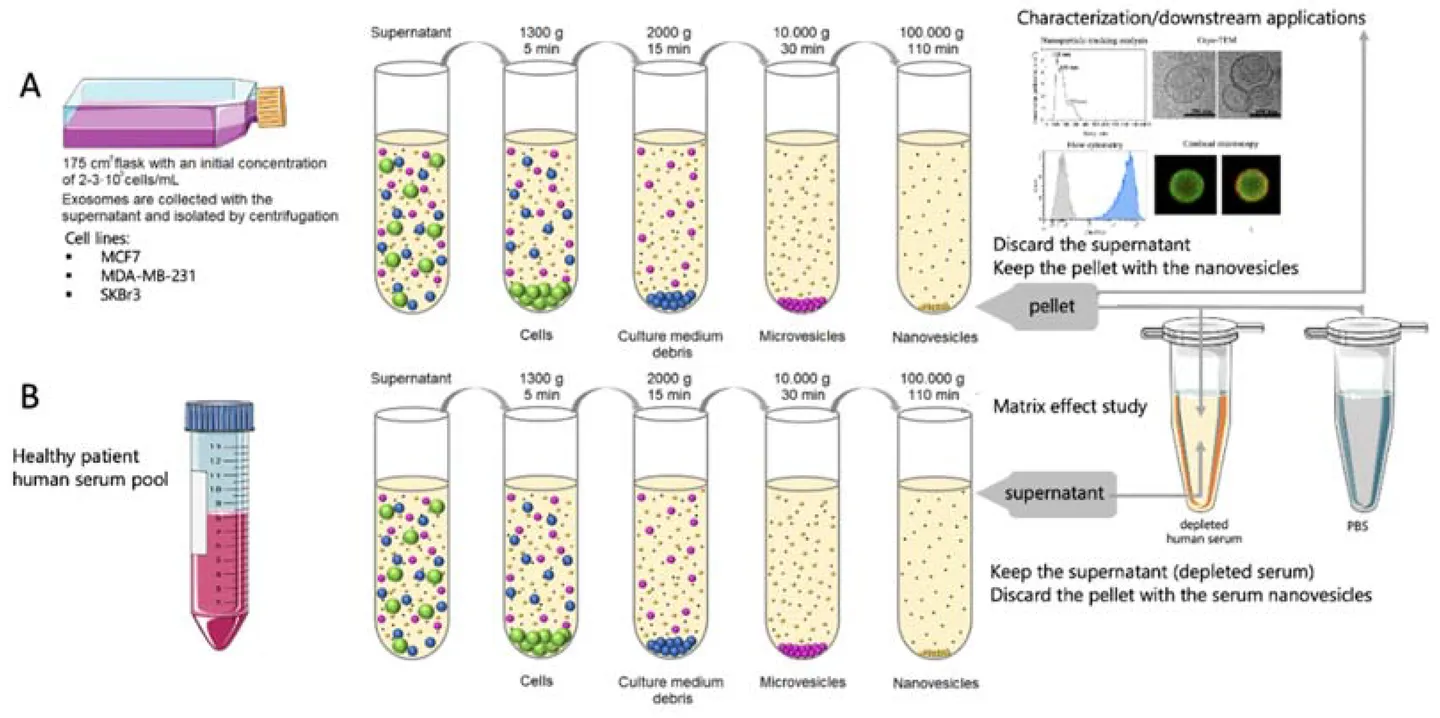
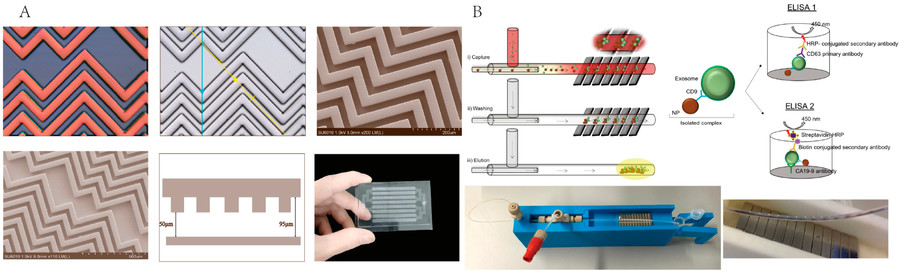
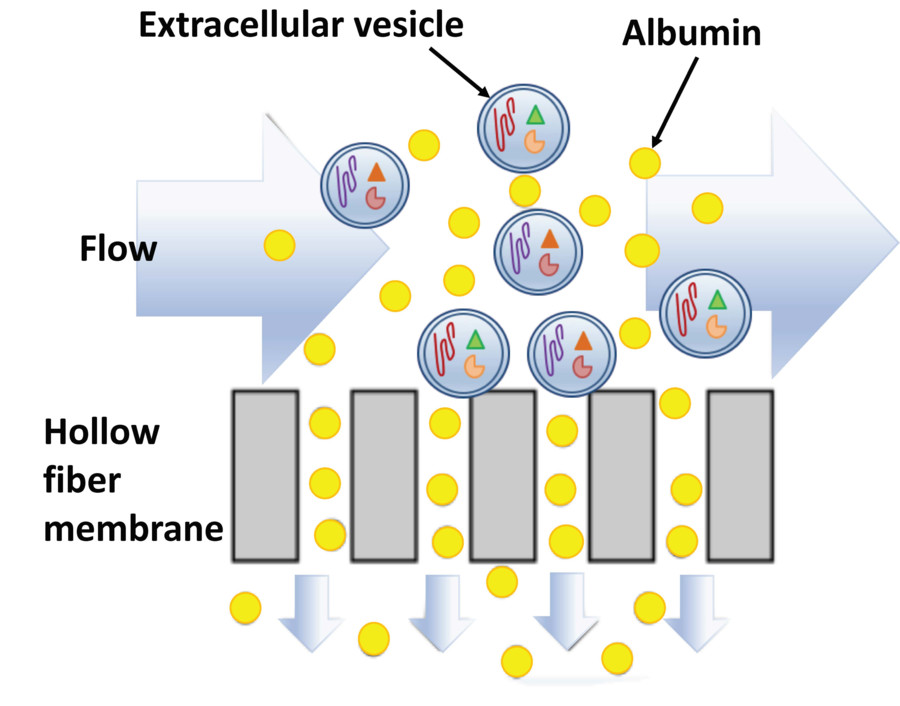 Figure 1. Tangential Flow Filtration for Efficient Concentration of Extracellular Vesicles. (Busatto S, et al., 2018)
TFF vs. Traditional Ultracentrifugation
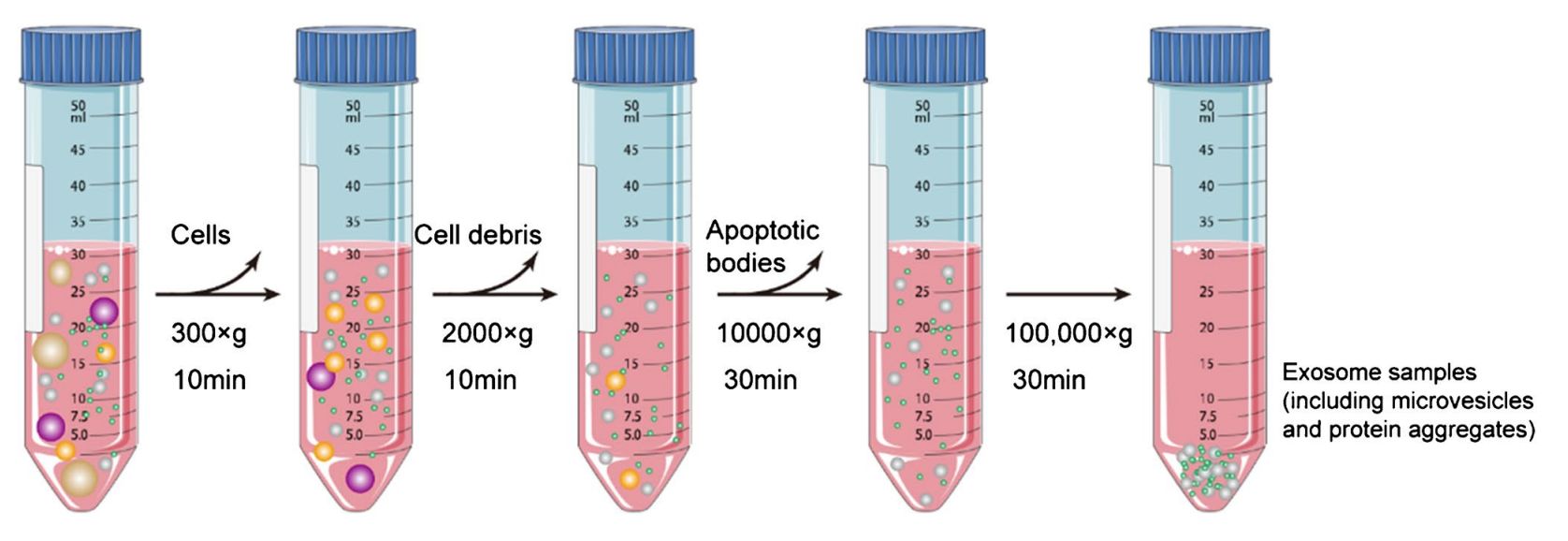
While ultracentrifugation has long been used to isolate EVs, it suffers from significant drawbacks including vesicle damage, low reproducibility, and limited scalability. In contrast, TFF offers:
| Parameter | Ultracentrifugation | Tangential Flow Filtration |
|---|---|---|
| Yield | Moderate | High |
| Vesicle Integrity | Often compromised | Preserved |
| Throughput | Low | High |
| Sample Compatibility | Requires serum-free media | Compatible with FBS |
| Scalability | Limited | Excellent |
Studies have shown that TFF combined with SEC isolates more vesicles per volume and maintains their structural and biological properties across multiple cell lines, making it the preferred choice for large-scale or translational projects.
Our Workflow for TFF-Based Exosome Isolation
Creative Biostructure offers a fully optimized TFF protocol, validated across human and murine cell lines, including HeLa, MDA-MB-231, EO771, and B16F10. Our process includes:
Pre-filtration
Samples undergo low-speed centrifugation and filtration to remove cells, debris, and large particles.
Tangential Flow Filtration
The clarified sample is processed using TFF membranes with molecular weight cutoffs ranging from 300 to 1000 kilodaltons. Flow rate and pressure are carefully controlled to avoid vesicle deformation.
Diafiltration and Buffer Exchange
The sample is washed with phosphate-buffered saline to remove soluble contaminants. Recirculation steps are performed to ensure maximal recovery.
Final Concentration
Concentrated exosomes are recovered using centrifugal filters and washed again with buffer to remove residual impurities.
Optional Size Exclusion Chromatography
For clients requiring additional purity, we offer size exclusion chromatography to eliminate co-isolated proteins and aggregates.
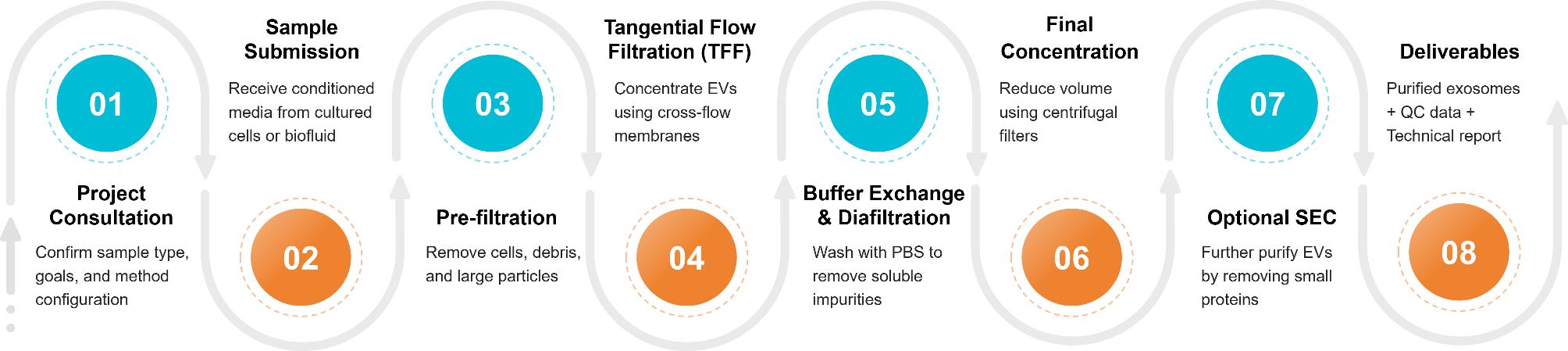 Figure 2. Project Workflow for Exosome Isolation Using Tangential Flow Filtration Technology. (Creative Biostructure)
Sample Requirements and Compatibility
We offer TFF-based purification for a variety of EV sources. TFF is particularly effective for liquid and large-volume samples, delivering high recovery rates and efficient removal of contaminants.
Suitable Sample Types for TFF Processing
- Cell Culture Supernatants from adherent or suspension cells of human, animal, or engineered lines, including FBS-supplemented media
- Body Fluids such as plasma, serum, urine, saliva, cerebrospinal fluid, and milk
- Animal Tissue Extracts (e.g., liver, brain, lung, or tumor homogenates) after enzymatic or mechanical digestion
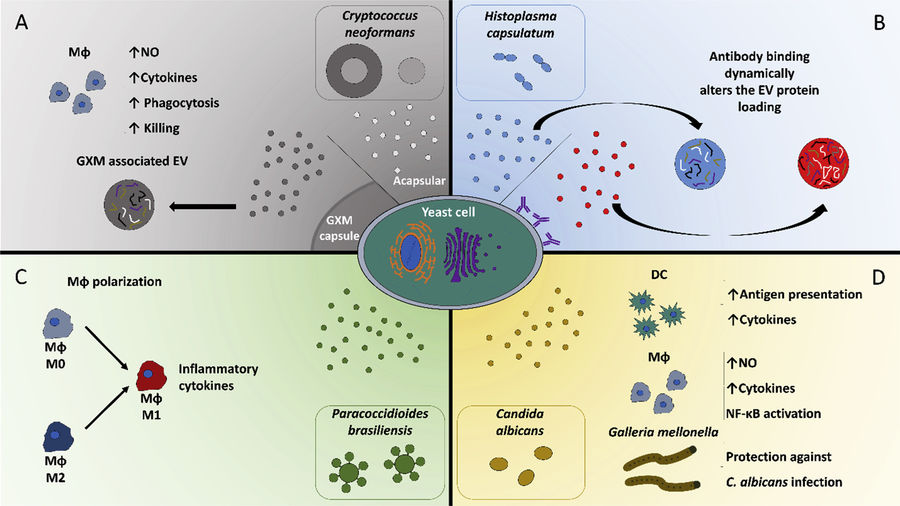
- Fungal Extracellular Vesicles derived from yeast, filamentous fungi, or pathogenic strains
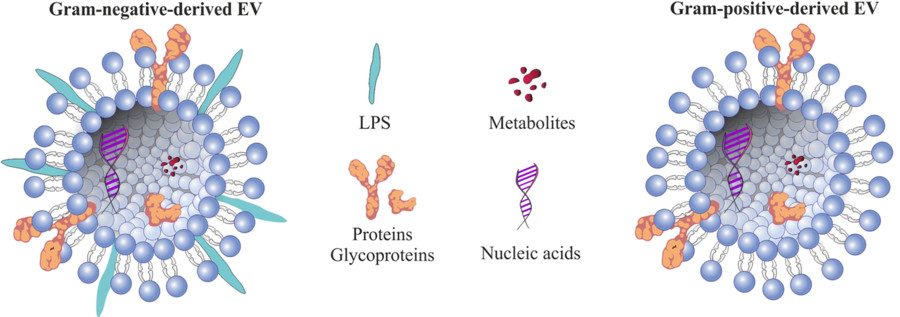
- Bacterial Extracellular Vesicles (BEVs) from Gram-negative or Gram-positive bacteria grown under aerobic or anaerobic conditions
Conditionally Compatible Sample Types
- Plant-Derived EVs from leaves, roots, fruits, or callus cultures
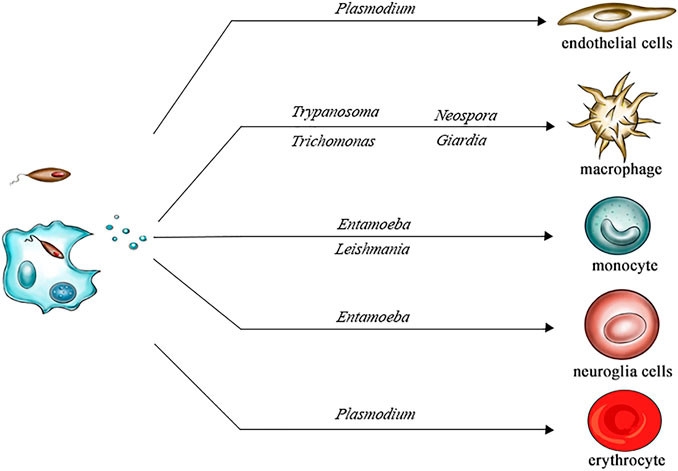
- Protozoa-Derived EVs from Plasmodium, Trypanosoma, Leishmania, and other parasites
Volume Range and Custom Options
- Acceptable sample volumes: from 50 mL to multiple liters
- Custom configurations available, including microfluidic chip tangential flow filtration systems
If you work with uncommon biological sources or novel organisms, please contact us to assess compatibility and optimize the TFF workflow.
Quality Control and Deliverables
Upon completion of the TFF-based exosome isolation process, clients receive a complete set of deliverables designed to ensure transparency, reproducibility, and confidence in downstream applications.
| Purified Extracellular Vesicles |
|
| Quality Control Report |
|
| Technical Summary |
|
Advantages of Our Tangential Flow Filtration Platform
- High Yield & Purity: Recover intact vesicles with minimal contaminants.
- Reproducibility: Consistent performance across different sample types.
- Scalable Workflow: Suitable for small- and large-volume sample processing.
- Compatibility: Works with serum-containing media, reducing cellular stress artifacts.
- Cold Chain Maintained: All processes conducted at 4°C to protect bioactivity.
Supported Applications
This service supports a wide range of research and preclinical goals including:
- Biomarker discovery in cancer and other diseases
- Proteomic and transcriptomic analysis
- Extracellular vesicle-based drug delivery studies
- Functional studies in immunology and regenerative medicine
Case Study
Case: Large-Scale Isolation of Surface-Engineered EVs Using TFF-SEC
Background
Researchers developed and evaluated a workflow combining TFF with SEC to isolate surface-engineered extracellular vesicles (eEVs) from HEK293T cell cultures. The goal was to improve yield, purity, and scalability compared to traditional ultracentrifugation.
Key Observations
Yield:
- TFF enriched EVs in the 50-650 nm range, with the highest particle counts in the 200-650 nm fraction.
- DNA copy number per particle was ~0.5 for TFF-isolated EVs versus ~1 for large EVs from centrifugation.
Purity:
- Protein contamination after TFF was ~0.07 µg/mL.
- SEC completely removed detectable free proteins while retaining EV-associated cargo.
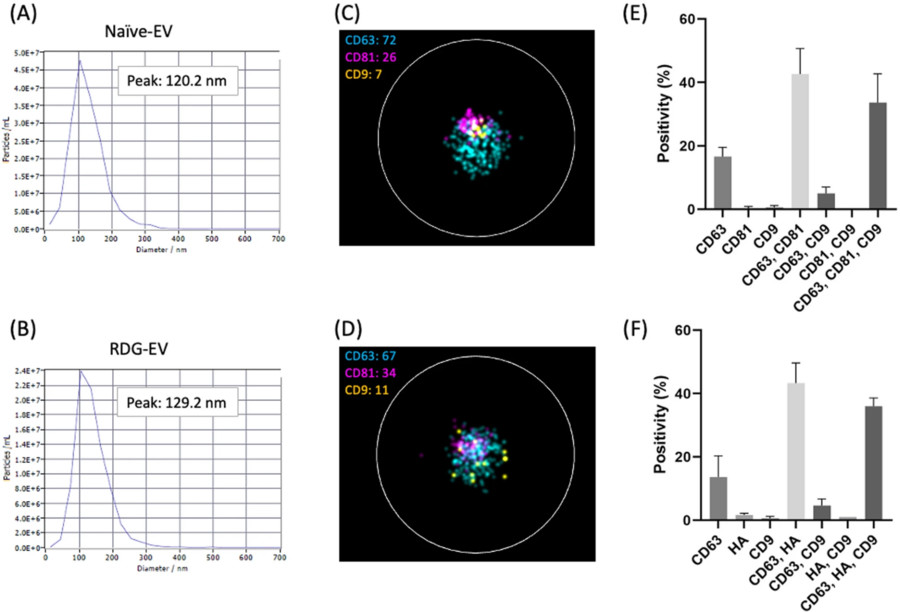 Figure 3. Characterization of EVs purified by TFF-SEC. (A-B) NTA-based size distribution profiles of Naïve-EVs and RDG-EVs. (C-D) Representative super-resolution microscopy images of Naïve-EVs and RDG-EVs. (E-F) Positivity rates of EV markers (CD63, CD9) and engineered marker (HA) for Naïve-EVs and RDG-EVs. (Kawai-Harada Y, et al., 2024)
Cargo Retention:
- qPCR confirmed plasmid DNA co-eluted with EV fractions, indicating successful cargo encapsulation.
- ~80% of eEVs expressed the engineered HA surface marker.
Structural Quality:
- NTA showed a size peak around 120 nm for both naive and engineered EVs.
- Super-resolution microscopy confirmed marker co-localization and intact vesicle morphology.
Conclusion
The TFF-SEC method produces high-purity, structurally intact, and scalable engineered EV preparations, making it suitable for downstream functional studies and therapeutic cargo delivery.
At Creative Biostructure, we deliver high-quality, scalable exosome isolation through our optimized tangential flow filtration and SEC platform. Whether you need pure vesicles for biomarker discovery, therapeutic development, or functional studies, our team ensures reproducibility and integrity in every preparation. Contact us to discuss your project requirements and start your exosome isolation with confidence.
References
- Busatto S, Vilanilam G, Ticer T, et al. Tangential flow filtration for highly efficient concentration of extracellular vesicles from large volumes of fluid. Cells. 2018, 7(12): 273.
- Yuan R, Zhou Y, Arias G F, et al. Extracellular vesicle isolation by a tangential-flow filtration-based large-scale purification method. Cell-Secreted Vesicles: Methods and Protocols. New York, NY: Springer US, 2023: 45-55.
- Kawai-Harada Y, Nimmagadda V, Harada M. Scalable isolation of surface-engineered extracellular vesicles and separation of free proteins via tangential flow filtration and size exclusion chromatography (TFF-SEC). BMC Methods. 2024, 1(1): 9.
Frequently Asked Questions
For any inquiries, our support team is ready to help you get technical support for your research and maximize your experience with Creative Biostructure.