Untargeted Exosome Metabolomics Service
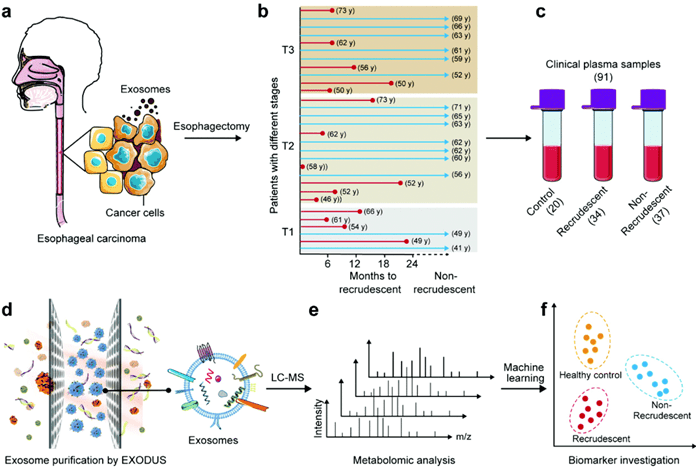
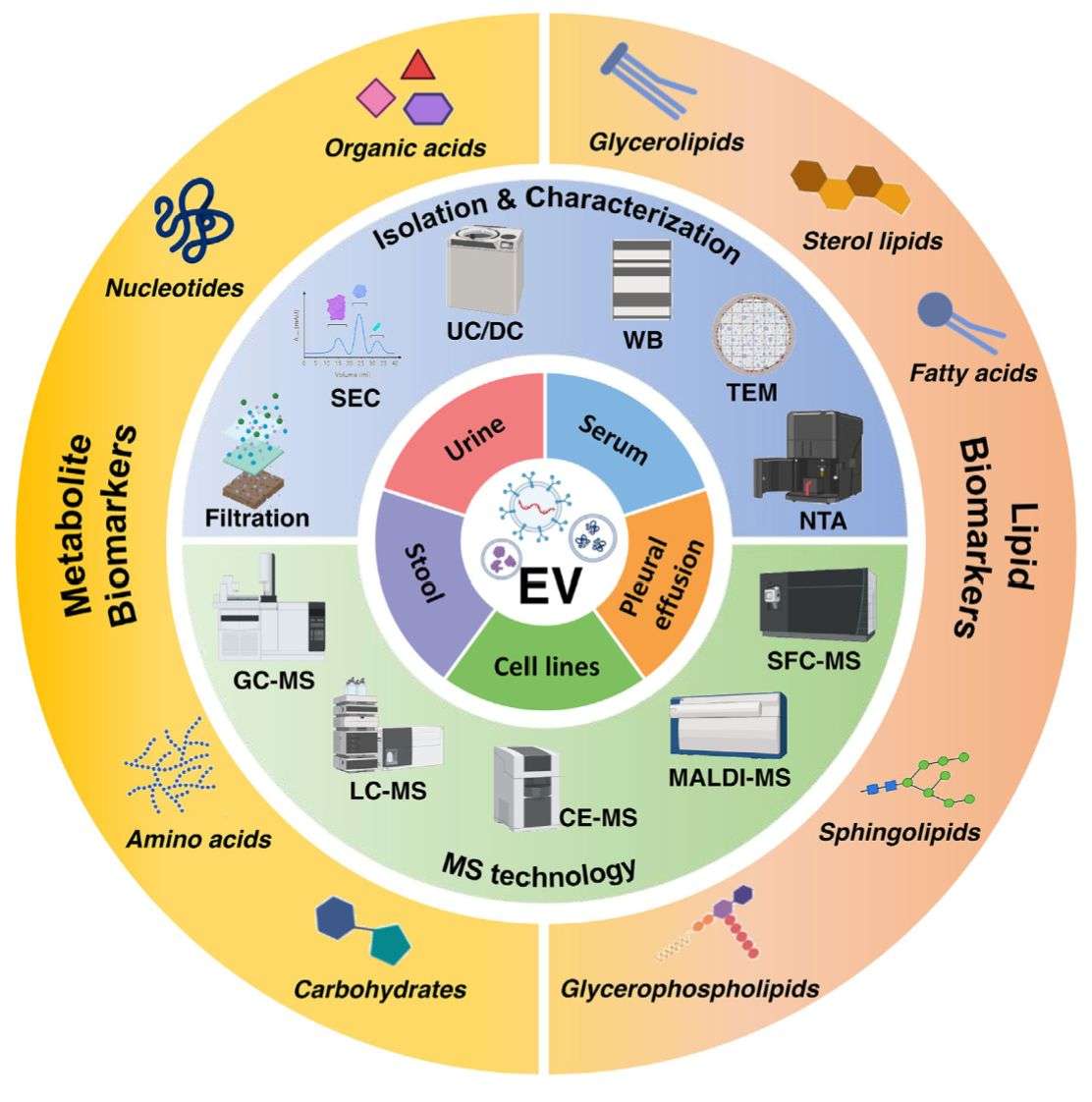
Exosome untargeted metabolomics is a professional service that comprehensively analyzes the metabolite composition in exosomes. Creative Biostructure conducts unbiased metabolite analysis on exosomes from different samples through advanced detection technologies. Our advanced technical platform can capture information on a wide range of small molecule metabolites in exosomes, providing comprehensive and accurate data support for customers in life science research, disease mechanism exploration, biomarker discovery, etc., and helping customers explore the biological significance behind exosome metabolites.
Why is it Necessary to Measure Metabolites in Exosomes?
As nanoscale vesicles secreted by cells, exosomes are widely present in various biological fluids and cell culture media. They carry a large number of biologically active molecules, among which metabolites are an important component. These metabolites are involved in various physiological processes such as cellular energy metabolism and signal transduction, and changes in their composition and content are closely related to the physiological state of cells as well as the occurrence and development of diseases.
With the development of metabolomics technology, untargeted metabolomic analysis of exosomes has become a research hotspot. Untargeted metabolomics can comprehensively detect various metabolites in exosomes without prior knowledge of target metabolites, which can maximize the discovery of potential biomarkers and changes in metabolic pathways. This provides a new perspective for understanding the pathogenesis of diseases, developing new diagnostic methods and therapeutic targets.
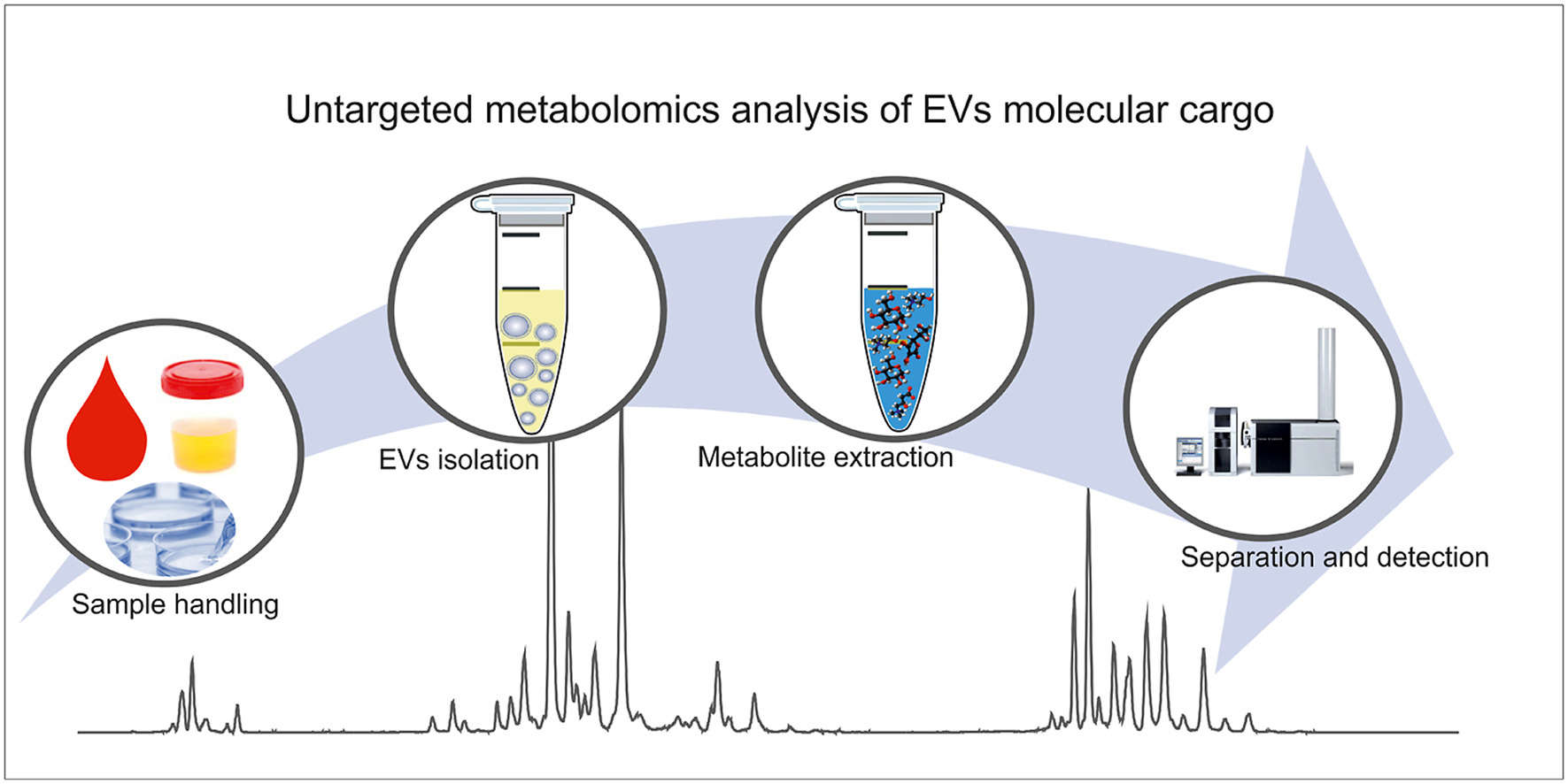 Figure 1. Untargeted metabolomics analysis of EVs molecular cargo. (Dudzik D, et al., 2021)
Our Untargeted Exosome Metabolomics Service
Creative Biostructure provides untargeted metabolomics services for exosomes using advanced liquid chromatography-mass spectrometry (LC-MS) and gas chromatography-mass spectrometry (GC-MS) technology platforms.
| Platform Technology | Features |
|---|---|
| LC-MS Technology | High sensitivity, high resolution and a wide range of metabolite coverage, which can effectively detect polar and thermally unstable metabolites. |
| GC-MS Technology | Highly effective for analyzing volatile and thermally stable metabolites. |
Our efficient platform can achieve comprehensive capture and accurate quantification of various metabolites in exosomes, including lipids, amino acids, organic acids, vitamins, carbohydrates and their derivatives, as well as nucleosides and nucleotides, ensuring the accuracy and reliability of the detection results.
Untargeted Exosome Metabolomics Analysis Workflow
We provide one-stop exosome untargeted metabolomics analysis services. From sample reception and evaluation to the generation of the final report, we aim to deliver reliable analysis results to customers through strict quality control. The detailed workflow of this experiment is as follows:
Our standard workflow includes the following key steps:
Exosome Isolation and Purification
For different types of samples, appropriate methods such as differential centrifugation, density gradient centrifugation, or kit-based methods are used to isolate and purify exosomes, ensuring the purity and integrity of exosomes.
Metabolite Extraction
Optimized extraction methods are employed to extract metabolites from the purified exosomes, preserving the structure and activity of various metabolites as much as possible.
Mass Spectrometry Detection
The extracted metabolite samples are subjected to LC-MS and GC-MS detection respectively to obtain mass spectrometry data of metabolites.
Data Processing and Analysis
Professional bioinformatics software is used for preprocessing the mass spectrometry data, including peak identification, peak matching, quantification, etc. Then multi-omics data analysis is performed, such as screening of differential metabolites, metabolic pathway enrichment analysis, etc.
Report Generation
Based on the data analysis results, a detailed service report is generated, which includes experimental methods, metabolite lists, differential analysis results, pathway analysis, etc., and professional interpretation of the results is provided.
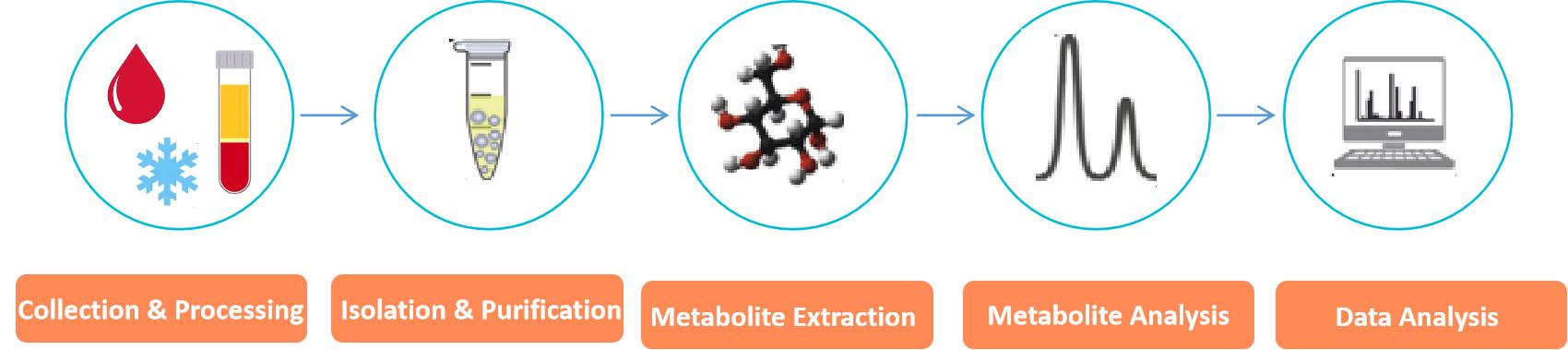 Figure 2. Comprehensive workflow for untargeted metabolomic profiling of exosomes. (Creative Biostructure)
Supported Sample Range
We support a wide range of samples, including exosomes isolated from cell culture supernatants (e.g., from cancer cells, normal somatic cells), and exosomes from various body fluids such as blood (serum/plasma), urine, saliva, cerebrospinal fluid, and milk.
Sample Submission Guide
- Quantity: For cell culture supernatants, provide at least 10 mL. For body fluids, the required volume varies: 200 μL for serum/plasma, 500 μL for urine, 250 μL for saliva, and 200 μL for cerebrospinal fluid.
- Storage and Shipping: Store samples at - 80°C immediately after collection. Ship samples on dry ice to ensure the integrity of exosomes and their metabolites during transportation.
Final Delivery
You will receive a comprehensive report that includes:
- Identification of metabolites detected in the exosomes.
- Quantitative data of metabolite levels.
- Statistical analysis results, such as differential metabolite analysis between experimental groups.
- Metabolic pathway analysis related to the identified differential metabolites.
Technical Advantages
- Exceptional performance: High sensitivity, high resolution, and a broad dynamic range.
- Powerful identification capability: Efficient extraction and identification methods enable precise qualitative analysis of a vast array of compounds.
- Reliable quality control: A stringent quality control system ensures accurate and dependable qualitative results.
- In-depth data analysis: Diversified and systematic bioinformatic analysis solutions are provided.
Case Study
Case: Untargeted Metabolomic Analysis of Serum Exosomes Identifies Potential Biomarkers for Hepatocellular Carcinoma
Background
Exosomes are intimately associated with tumor development and their contents have the potential to serve as highly sensitive tumor-specific markers. This study aims to identify potential biomarkers for hepatocellular carcinoma through comprehensive untargeted metabolomics analysis of exosome samples extracted from the serum of subjects.
Methods
- Exosome samples were extracted from the serum of 48 subjects using a commercial kit.
- An ultra-performance liquid chromatography-mass spectrometry (UPLC-MS) strategy was used to identify the metabolic compounds.
- A total of 18 differential metabolites were identified using the non-targeted metabolomics approach of UPLC-QTOF-MS/MS.
Conclusion
- Pathway analysis revealed significant alterations in the arachidonic acid metabolism, linoleic acid metabolism, and unsaturated fatty acid metabolism pathways.
- ROC analysis indicated that three metabolites with AUC values exceeding 0.900 were selected as potential biomarkers: caprylic acid and linoleic acid were upregulated in the HCC group, whereas pentadecanoic acid was downregulated.
- Linoleic acid, caprylic acid, and pentadecanoic acid are potential biomarkers for diagnosing HCC.
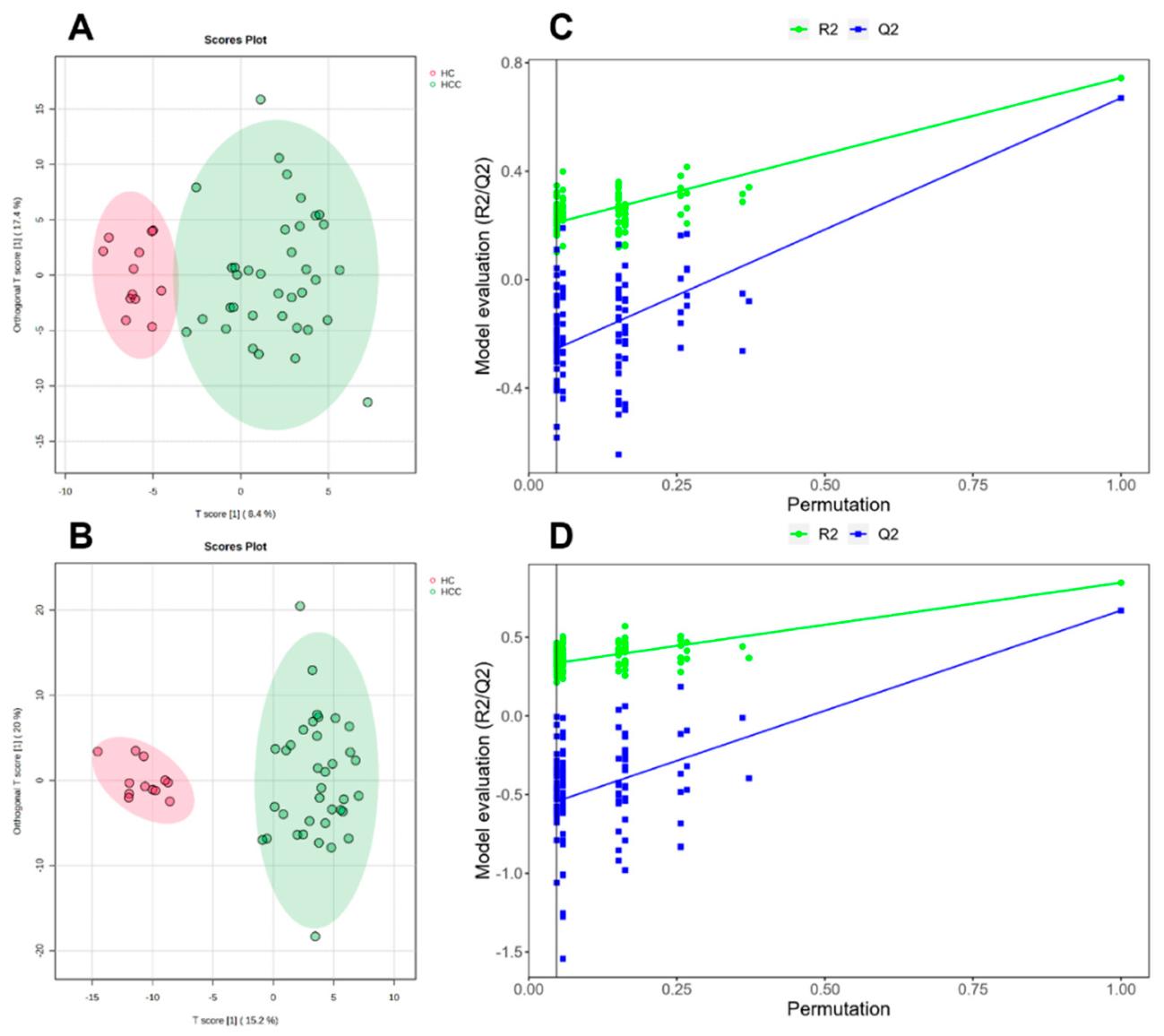 Figure 3. OPLS−DA score plot. (Martín-Blázquez, et al., 2020)
Ready to map the full metabolic fingerprint of your exosomes? Our untargeted LC-MS/GC-MS workflow captures diverse small molecules with rigorous QC and links differential metabolites to pathways and phenotypes through in-depth bioinformatics. At Creative Biostructure, we adapt each module to your sample type and study question and deliver transparent, publication-ready reports you can trust. Contact us to refine your design and receive a fast, tailored quotation.
References
- Dudzik D, Macioszek S, Struck-Lewicka W, et al. Perspectives and challenges in extracellular vesicles untargeted metabolomics analysis. TrAC Trends in Analytical Chemistry. 2021, 143: 116382.
- Martín-Blázquez, Ariadna, et al. Discovery of pancreatic adenocarcinoma biomarkers by untargeted metabolomics. Cancers. 12.4 (2020): 1002.
Frequently Asked Questions
For any inquiries, our support team is ready to help you get technical support for your research and maximize your experience with Creative Biostructure.