Glioblastoma Exosome Research Services
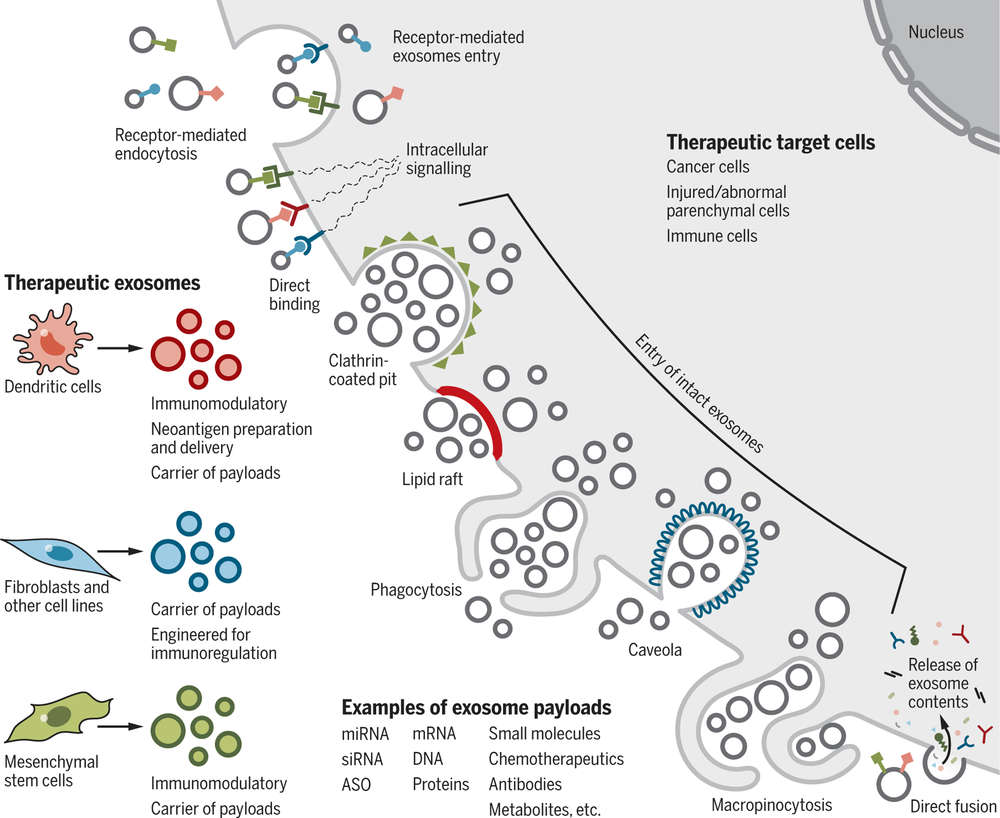
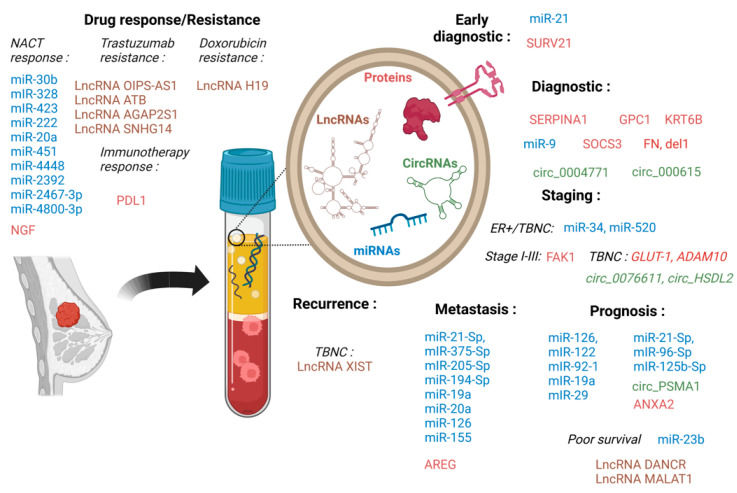
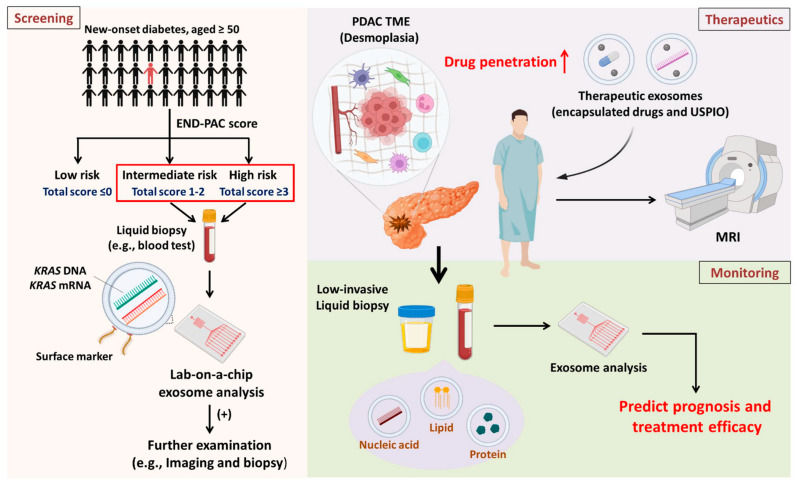
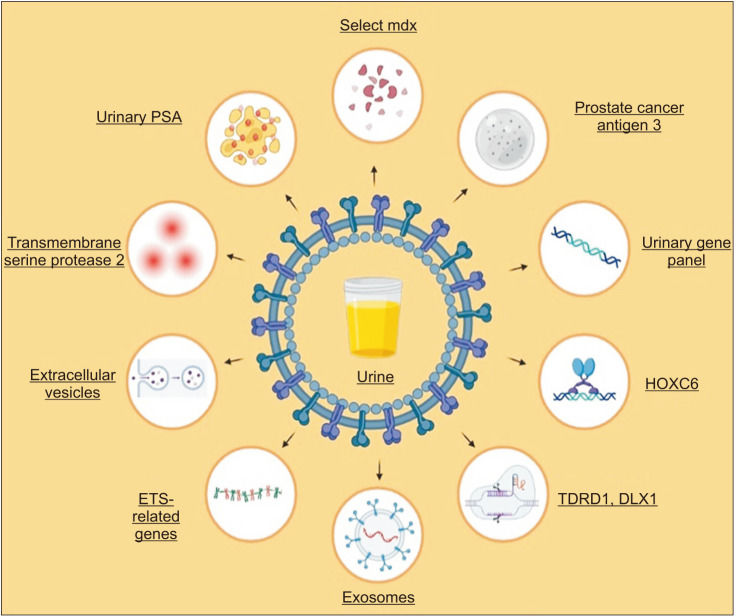
Glioblastoma (GBM) is the most aggressive and lethal primary brain tumor. The presence of the Blood-Brain Barrier (BBB) makes both diagnosis and treatment exceptionally difficult. Tissue biopsies are risky and often non-representative due to tumor heterogeneity. Exosomes, however, can cross the BBB bidirectionally. They accumulate in Cerebrospinal Fluid (CSF) and plasma, offering a "window" into the brain's genetic status and a vehicle for delivering therapeutics directly to the tumor site.
We provide specialized Glioblastoma Exosome Research solutions. Whether you are validating EGFRvIII mutation detection from CSF or unraveling the mechanisms of Temozolomide (TMZ) resistance, our platform combines ultra-sensitive isolation technologies with advanced BBB models to tackle the unique challenges of neuro-oncology.
Critical Frontiers in Glioblastoma Research
Glioblastoma (GBM) is the most aggressive CNS tumor, and its location poses unique research challenges.
- Blood-Brain Barrier (BBB) Impermeability: The BBB restricts the passage of large molecules, making both drug delivery and the detection of circulating tumor markers (liquid biopsy) exceptionally difficult.
- Tumor Heterogeneity: GBM is highly heterogeneous. Single-site tissue biopsies often fail to capture the full genetic landscape, necessitating CSF-based "liquid biopsy" approaches to map the entire tumor.
- Glioma Stem Cells (GSCs): GSCs are responsible for recurrence and resistance. Investigating how exosomes maintain the stemness niche and promote radio-resistance is critical for preventing relapse.
- Immune Suppression: GBM is a "cold" tumor with profound local immunosuppression. Research focuses on how exosomes inhibit microglial/macrophage phagocytosis and T-cell infiltration.
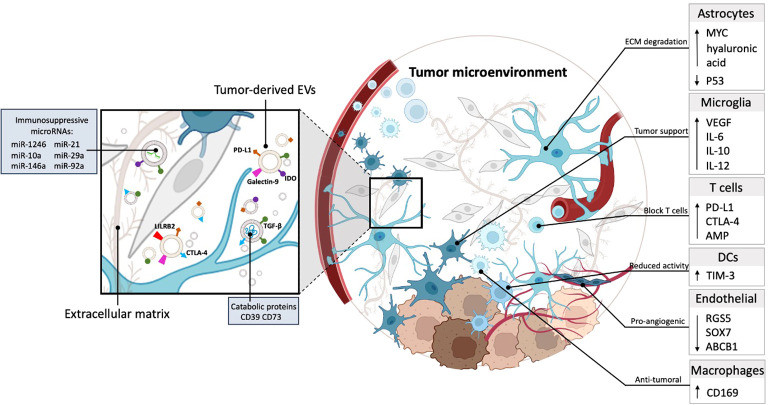 Figure 1. GB-derived EVs manipulate the brain tumor microenvironment (TME) to foster tumor growth by transferring immunosuppressive molecules and miRNAs, affecting various cell types within the TME. (Lunavat TR, et al., 2023)
Our GBM Research Workflow
We offer a pipeline optimized for low-volume neurological samples and BBB modeling.
| Research Phase | Our Specialized Approach & Solution | Key Services Applied |
|---|---|---|
| Sample Processing | CSF Exosome Isolation: CSF samples are precious (often <2 mL). We use Size Exclusion Chromatography (SEC) or high-efficiency precipitation to recover maximum vesicles without co-purifying albumin, ensuring clean RNA for sequencing. | Exosome Purification by Size Exclusion Chromatography (SEC) |
| Biomarker Discovery | Mutant Detection (EGFRvIII): We use Droplet Digital PCR (dPCR) to detect the specific EGFRvIII deletion mutant or IDH1 R132H mutation in exosomal RNA, providing absolute quantification for diagnostic development. | Exosome Quantitative Proteomics |
| Functional Modeling | TMZ Resistance Transfer: We co-culture TMZ-resistant GBM cells with sensitive recipient cells. We treat the recipients with resistant exosomes and measure the shift in IC50 values (drug sensitivity) to prove resistance transfer. | Exosome Cellular Functional Assays |
| BBB Penetration | In Vitro BBB Model: Can your therapeutic exosome enter the brain? We use a Transwell Co-culture of Brain Endothelial Cells (b.End3) and Astrocytes. We measure the transcytosis rate of labeled exosomes across this barrier. | Alzheimer Disease Exosome Research |
Core Technologies for Neuro-Oncology
We utilize technologies specifically chosen for their ability to handle CNS samples and model the brain microenvironment.
CSF Exosome RNA Sequencing
The Brain's Transcriptome: Isolating RNA from CSF exosomes is challenging due to low yield. Our optimized Low-Input Small RNA-Seq protocol allows us to sequence miRNAs and circRNAs from as little as 1 mL of CSF, identifying specific signatures that distinguish GBM from CNS lymphoma or metastasis.
Digital PCR for EGFRvIII
Absolute Specificity: EGFRvIII is the hallmark of GBM. Standard qPCR often yields false negatives in biofluids. Our Digital PCR (dPCR) service partitions the sample, allowing for the detection of rare mutant copies against a background of wild-type EGFR, serving as a highly specific diagnostic marker.
Blood-Brain Barrier (BBB) Transwell Assays
Crossing the Gatekeeper: To validate brain delivery, we construct a physiological In Vitro BBB Model. We measure TEER (Transendothelial Electrical Resistance) to confirm barrier integrity, then quantify the transport of fluorescently labeled exosomes from the apical (blood) to the basolateral (brain) side, mimicking systemic administration.
Application Spotlight: Engineering Magnetic Exosomes to Trigger Ferroptosis
This analysis highlights how engineering exosomes with functional nanoparticles can create "smart" therapeutic vehicles that cross the BBB and overcome drug resistance.
Featured Technologies:
- Exosome-Magnetic Nanoparticle Hybrid Systems
- Genetically Engineered Surface Display
Literature Interpretation:
Treating Glioblastoma (GBM) is challenging due to the Blood-Brain Barrier (BBB) and the tumor's resistance to apoptosis. To overcome this, researchers developed an advanced Exosome-Conjugated Magnetic Nanoparticle system. They engineered exosomes to display Angiopep-2 (a peptide that targets LRP1 receptors on the BBB) and loaded them with siRNAs targeting the ferroptosis defense proteins (GPX4 and Galectin-1). The magnetic nanoparticles not only allowed for MRI tracking of the delivery but also provided a source of iron to fuel the Fenton reaction. Upon systemic administration, this hybrid nanoplatform successfully crossed the BBB and accumulated in the tumor. By simultaneously silencing the protective enzymes and increasing iron-dependent oxidative stress, the system triggered catastrophic ferroptosis in GBM cells, significantly suppressing tumor growth in orthotopic mouse models. This study validates our capabilities in constructing hybrid delivery systems for precision neuro-oncology.
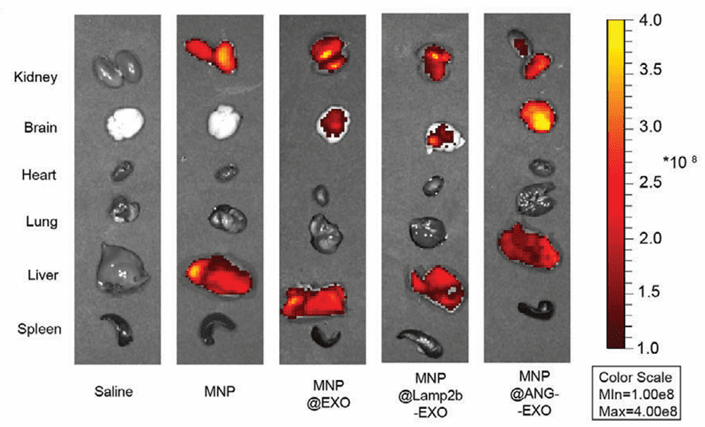 Figure 2. Ex vivo fluorescence imaging of main organs post injection, demonstrating prolonged circulation and enhanced brain enrichment of angiopep-2 peptide-modified exosomes. (Li B, et al., 2022)
Start Your GBM Project
Advance your research on the most challenging brain tumor with our specialized neuro-oncology platform.
How It Works: Our Project Pathway
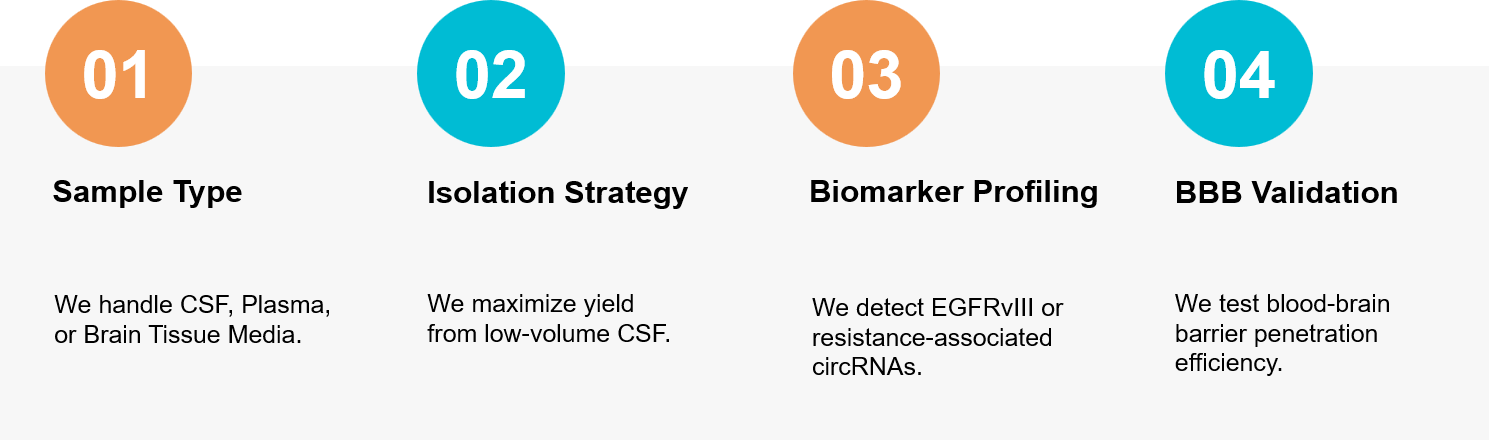 Figure 3. Our integrated workflow for developing CSF-based liquid biopsies and validating blood-brain barrier penetration for glioblastoma therapeutics. (Creative Biostructure)
Ready to breach the barriers in Glioblastoma research? Our neuro-oncology team is available to discuss your liquid biopsy or drug delivery strategy. Contact us today to discuss your project.
References
- Lunavat TR, Nieland L, Vrijmoet AB, et al. Roles of extracellular vesicles in glioblastoma: foes, friends and informers. Front Oncol. 2023 Nov 24;13:1291177.
- Li B, Chen X, Qiu W, et al. Synchronous Disintegration of Ferroptosis Defense Axis via Engineered Exosome-Conjugated Magnetic Nanoparticles for Glioblastoma Therapy. Adv Sci (Weinh). 2022 Jun;9(17):e2105451.