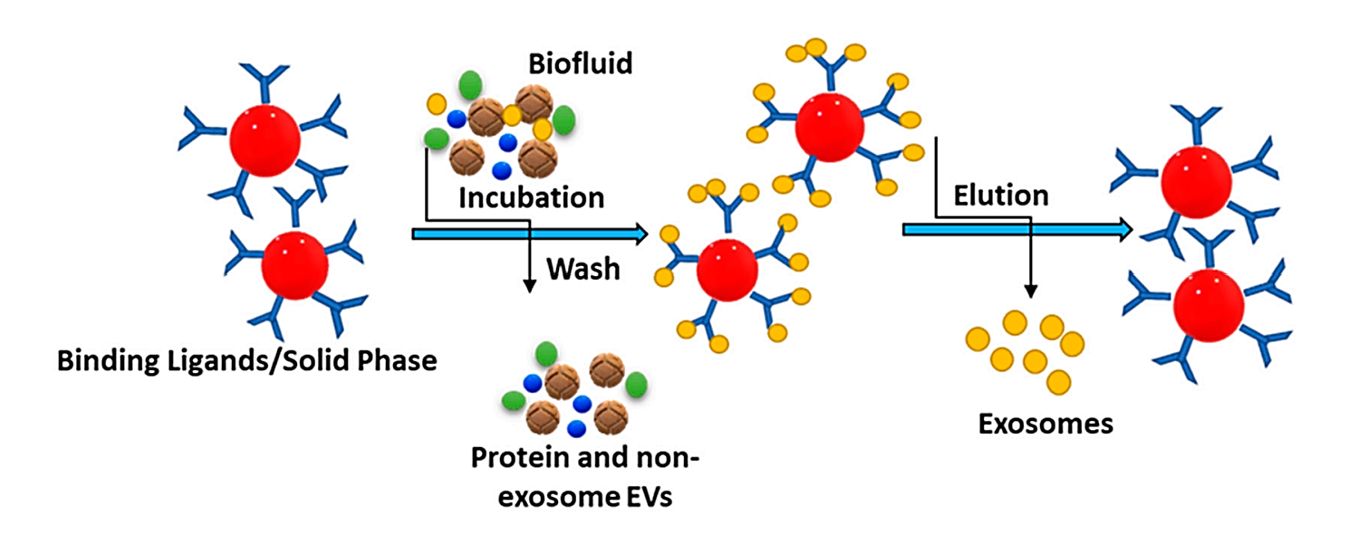
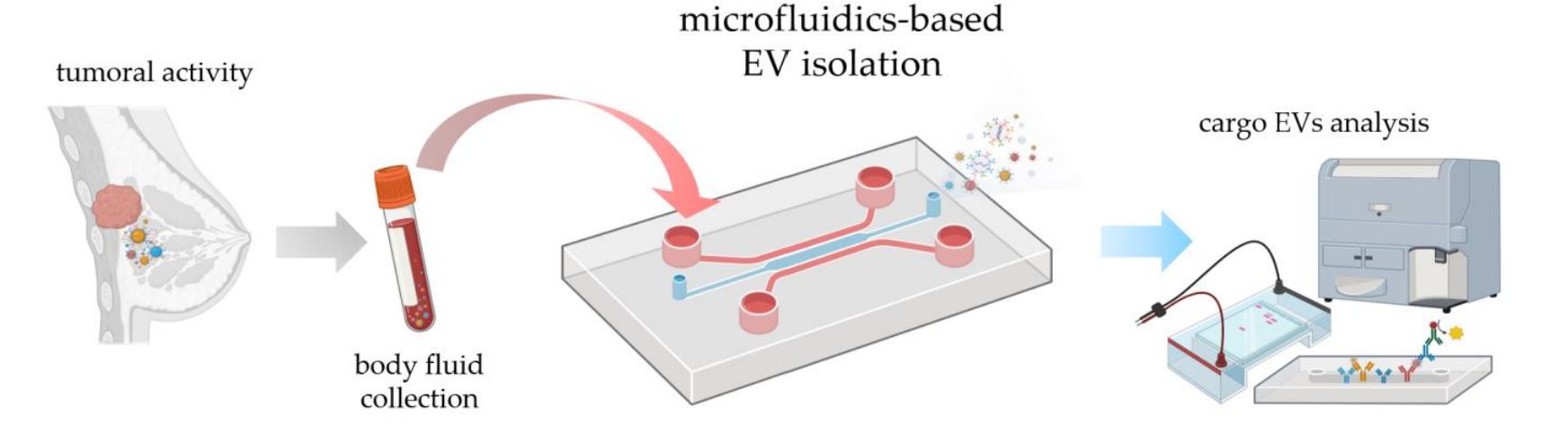
Microfluidics-Based Exosome Isolation Service
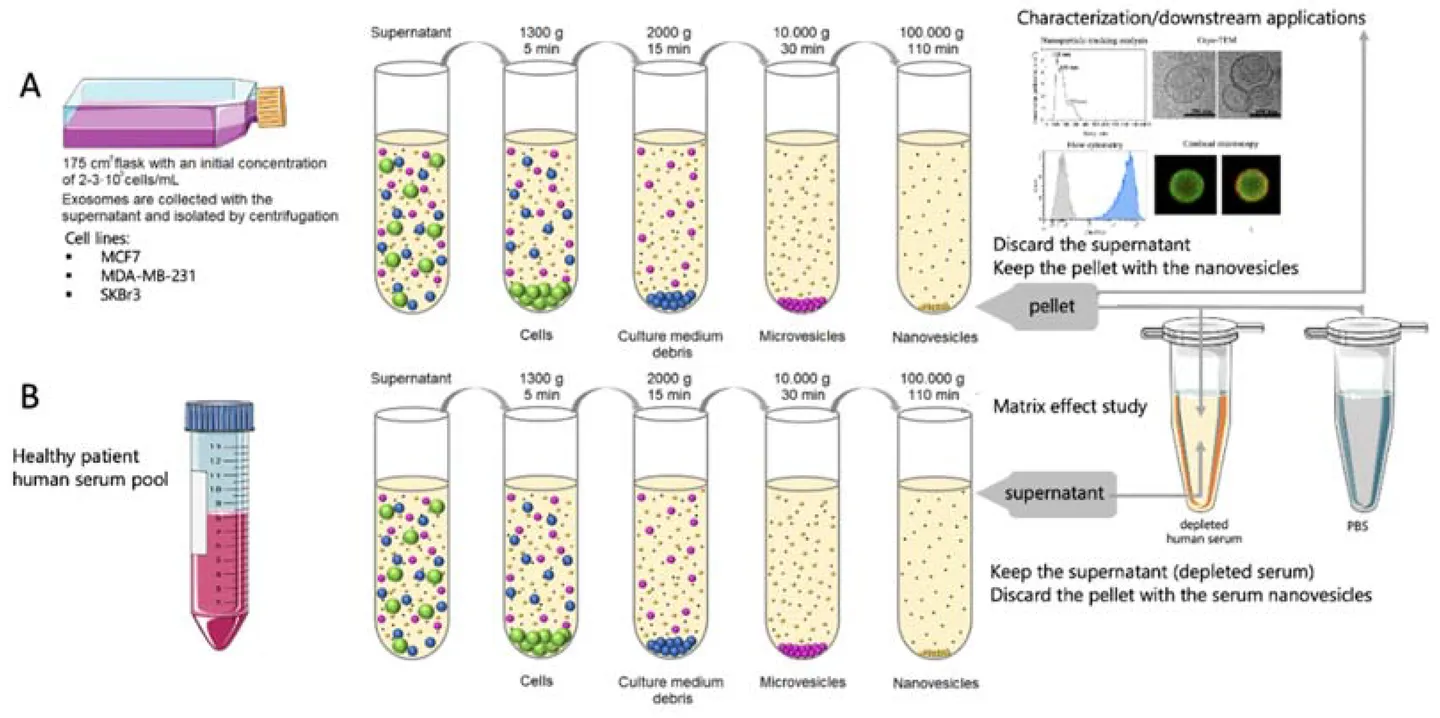
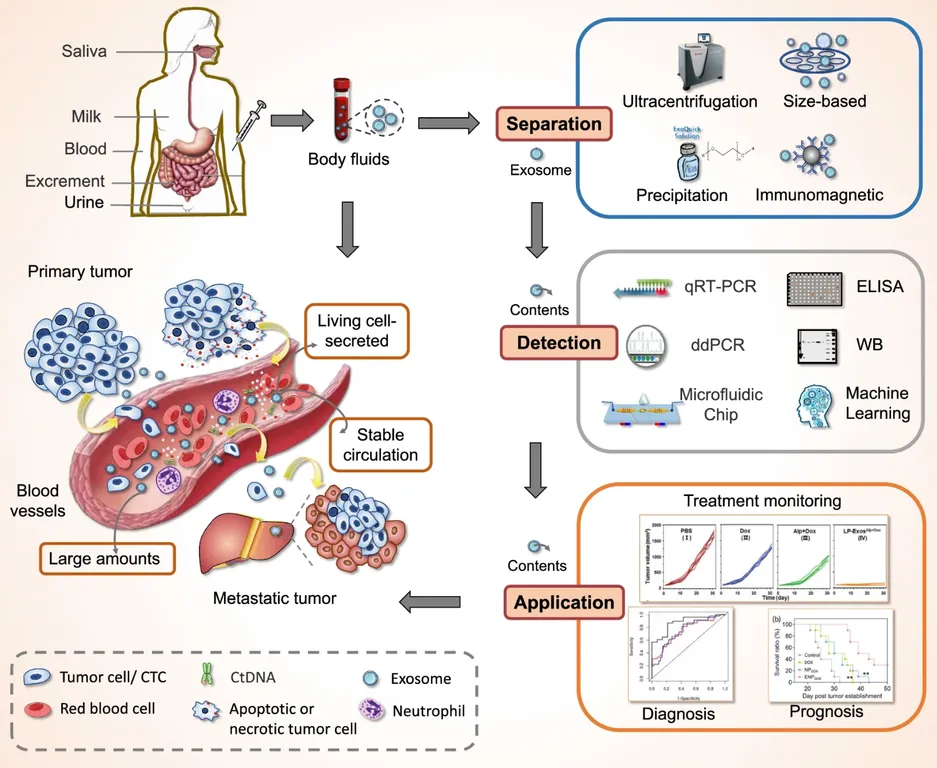
Exosomes are nanosized extracellular vesicles released by almost all cell types. They carry proteins, RNA, DNA, and lipids that reflect the physiological or pathological state of the originating cells. Given their presence in biofluids and their role in intercellular signaling, exosomes have become attractive tools for both disease diagnostics and therapeutic development. Creative Biostructure provides specialized microfluidics-based exosome isolation services, enabling researchers to obtain high-purity vesicles even from limited or complex samples. In addition to our isolation services, we offer custom microfluidic device design and prototyping to support clients developing novel exosome separation systems.
Why Choose Microfluidics for Exosome Isolation?
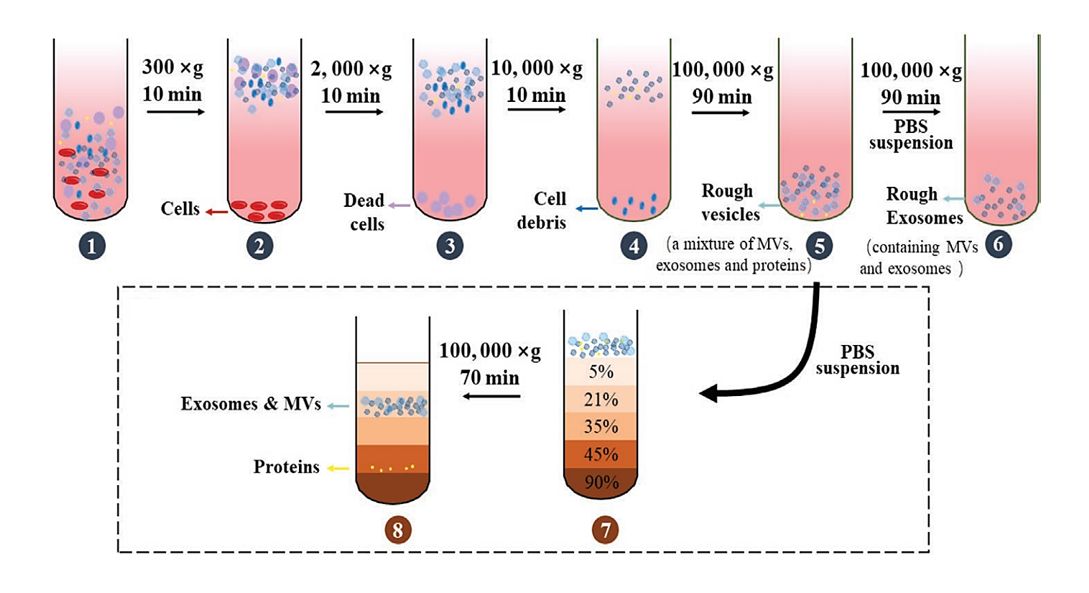
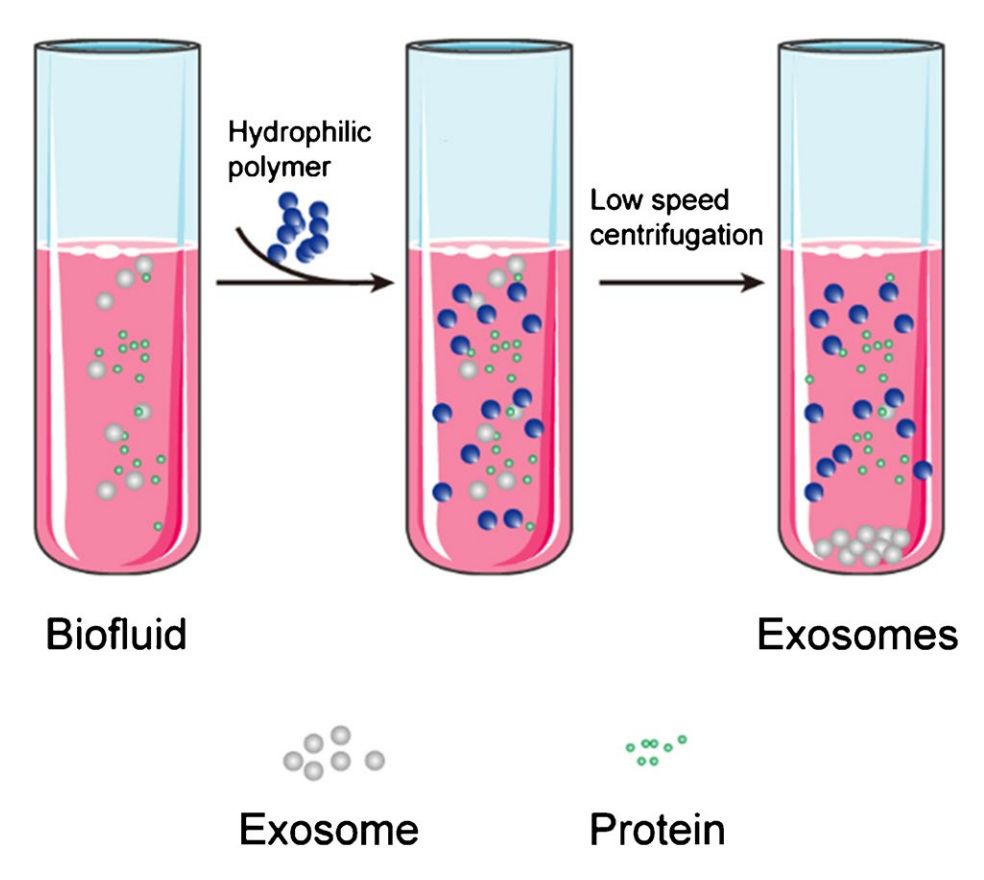
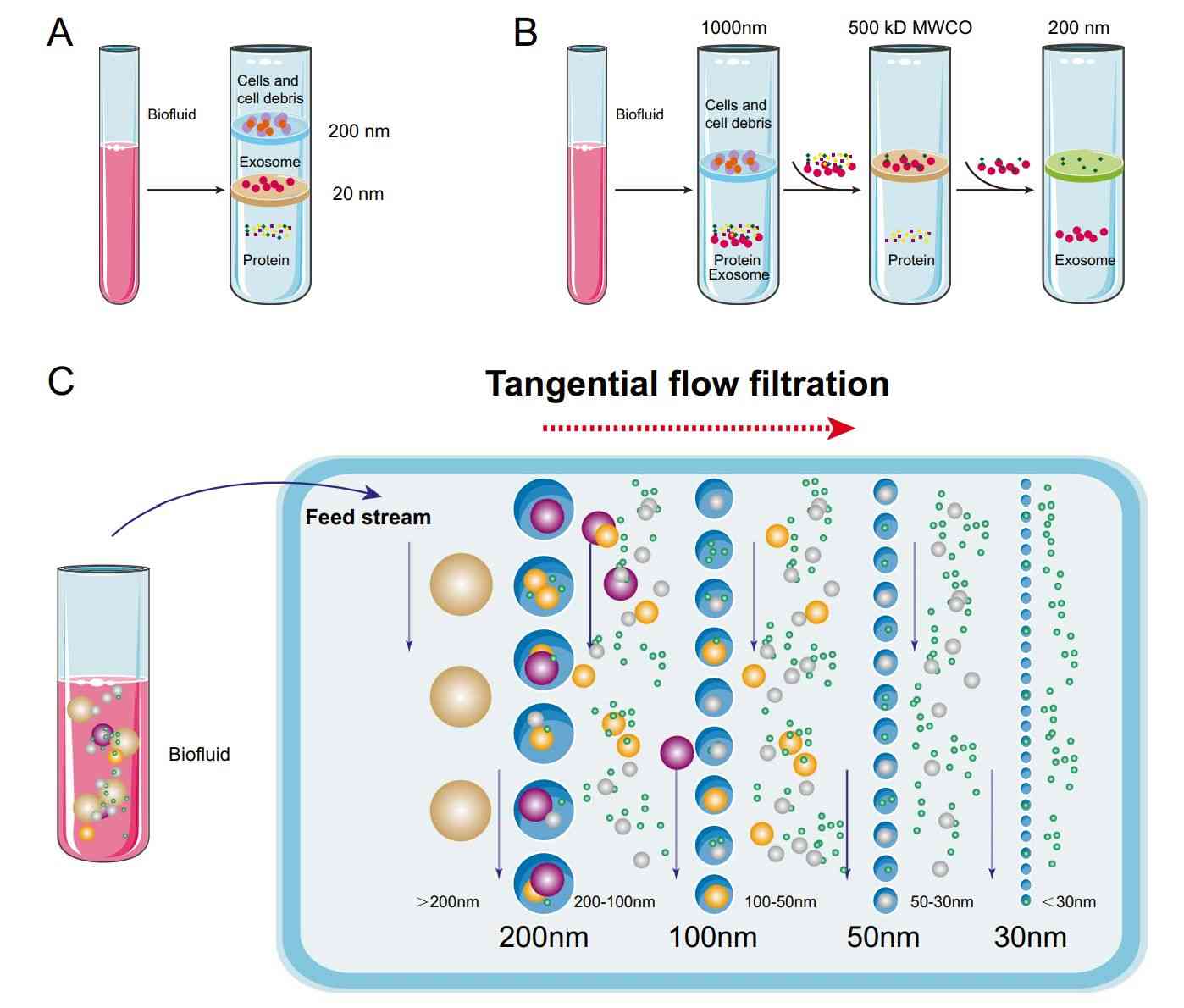
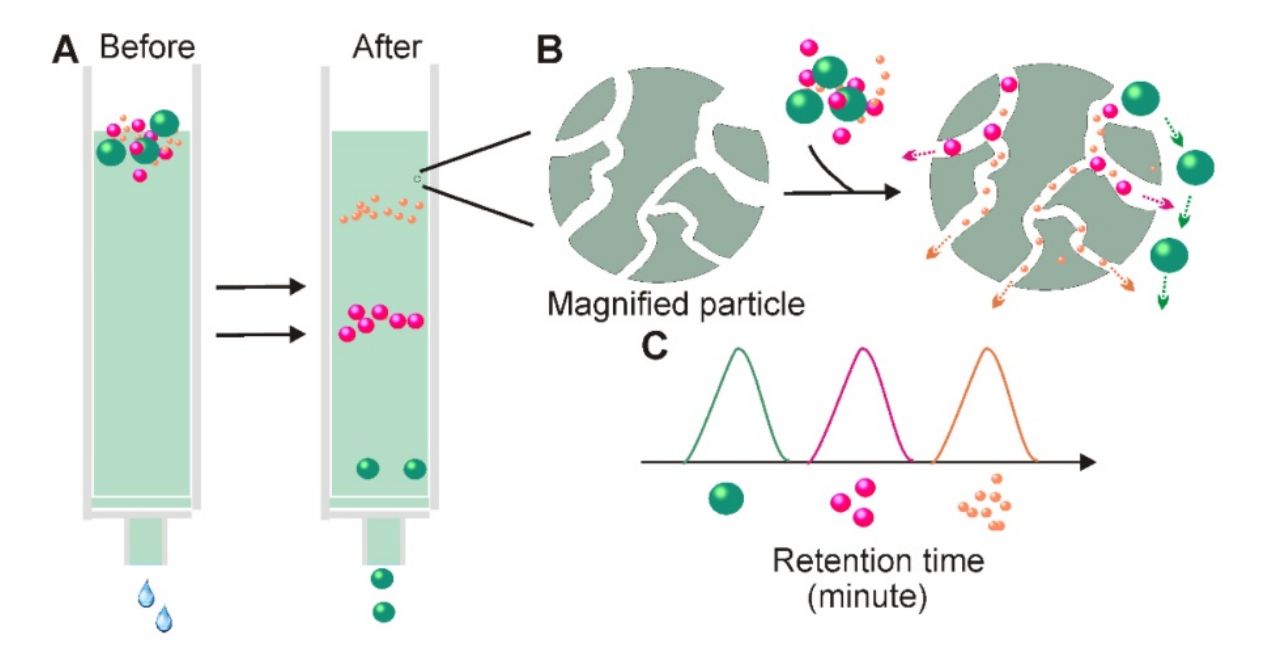
Conventional exosome isolation techniques such as ultracentrifugation, filtration, or precipitation often suffer from low specificity, structural damage to vesicles, and high sample input requirements. Microfluidic technology offers a compact, automated, and highly sensitive solution. It requires minimal sample volumes, preserves vesicle integrity, and enables real-time or integrated analysis. These benefits are especially valuable for liquid biopsy workflows, and high-throughput screening environments.
Applications of Microfluidics-Isolated Exosomes
Exosomes isolated via microfluidics retain functional activity and are suitable for diverse applications, including:
- Biomarker profiling for cancer, neurodegeneration, and infectious diseases
- Non-invasive diagnostics such as liquid biopsy
- Exosome-based drug delivery development
- Single-vesicle proteomics or RNA sequencing
Microfluidic Isolation Technologies We Support
Creative Biostructure supports a wide range of advanced microfluidic technologies specifically tailored for exosome separation. We have the expertise and infrastructure to implement, customize, and optimize these microfluidic platforms based on your sample type, research goals, and downstream applications. Our capabilities encompass:
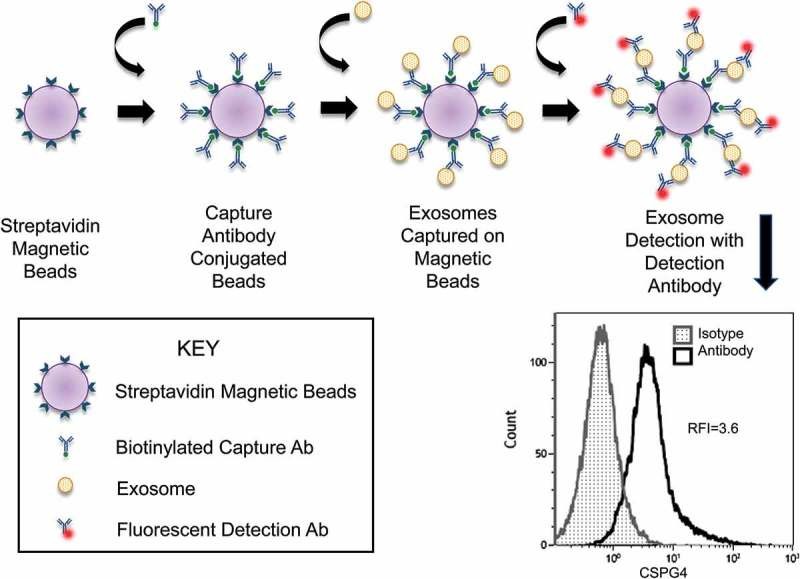
- Immunoaffinity capture using microchannels coated with antibodies targeting specific surface proteins such as CD63 or CD81
- Inertial microfluidics which sorts vesicles based on their position in microchannel flow
- Deterministic lateral displacement which utilizes patterned micropillar arrays to separate exosomes by size
- Acoustofluidic manipulation which applies ultrasonic standing waves to guide vesicles toward collection points
- Dielectrophoresis which sorts particles using electrical field gradients without chemical labeling
Our engineering team also supports clients in designing and fabricating custom microfluidic chips. We can integrate surface functionalization, mixing geometries, and multiplexed channels to help you build novel lab-on-a-chip tools for exosome capture and analysis.
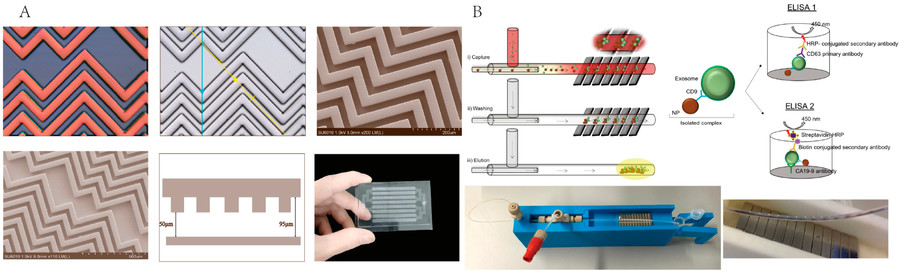 Figure 1. Microfluidic Immunoaffinity Platforms for Exosome Isolation. (A) Schematic illustration of the HBEXO-Chip structure designed for immunoaffinity-based exosome capture. (B) Microfluidic device utilizing antibody-functionalized magnetic nanoparticles for selective exosome isolation via immunocapture. (Wu Y, et al., 2022)
Microfluidics-Based Exosome Isolation Service Workflow
At Creative Biostructure, our microfluidic-based exosome isolation service follows a streamlined and customizable workflow designed to ensure efficiency, reproducibility, and compatibility with your research needs. Leveraging our in-depth understanding of microfluidic systems, we carefully select or engineer the most suitable platform for your specific application.
Initial Consultation
We work closely with you to assess project requirements, including sample type, desired exosome subpopulation, and downstream applications.
Sample Submission and Assessment
You provide biological fluids or cell culture media following our sample handling guidelines. Our team conducts an initial evaluation to determine optimal processing parameters.
Microfluidic Platform Selection or Customization
Based on your project needs, we deploy a validated microfluidic chip from our existing portfolio or design a customized platform utilizing techniques such as immunoaffinity capture, inertial sorting, or dielectrophoresis.
Exosome Isolation and Enrichment
Isolation is performed using the selected microfluidic system under controlled conditions to preserve exosome integrity and maximize yield and specificity.
Optional Downstream Characterization
We offer comprehensive characterization options including NTA, TEM, Western blot, or RNA/protein content analysis to support data-driven decision making.
Reporting and Deliverables
You receive purified exosome fractions along with a detailed technical report outlining the methods used, quality control metrics, and suggested applications for the isolated vesicles.
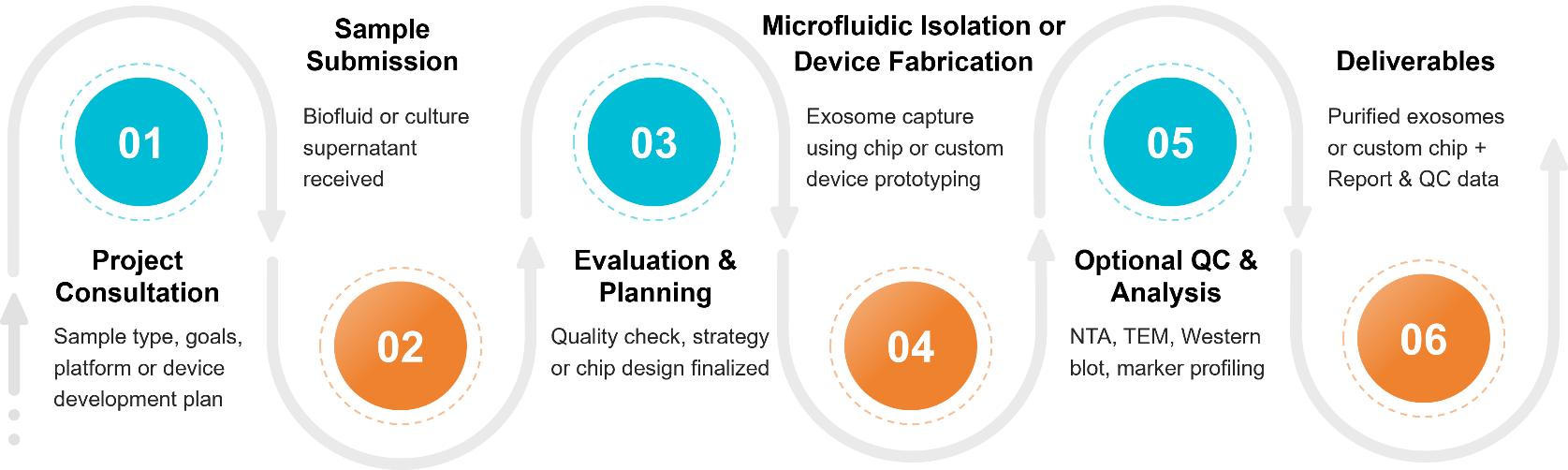 Figure 2. Project Workflow for Exosome Isolation Using Microfluidic Technology. (Creative Biostructure)
Device Prototyping and Development Support
In addition to service-based isolation, Creative Biostructure offers device co-development services. Our microfluidics engineers can assist with:
- Feasibility studies for custom exosome isolation platforms
- Chip design based on immunocapture, physical sorting, or hybrid mechanisms
- Integration of detection modules such as fluorescence, impedance, or electrochemical sensing
- Fabrication and testing of prototype chips for academic or commercial research
Whether you require a standalone chip or a modular device for automated workflows, we can help you transform a concept into a functional microfluidic system for exosome research.
Sample Requirements
We support exosome isolation from a wide range of biological sources. For microfluidic isolation workflows, sample cleanliness and vesicle concentration are critical to ensure chip performance.
Recommended Sample Types
- Cell culture supernatants (preferred)
- Biofluids: plasma, serum, urine, saliva, cerebrospinal fluid (pre-filtered)
Conditionally Accepted Sample
- Plant-derived fluids (filtered and clarified)
- Fungal culture media (requires assessment)
- Bacterial culture media (requires assessment)
General Guidelines
- Volume: Minimum 200-500 µL
- Storage: Store at -80°C in sterile, debris-free tubes
- Shipping: Use dry ice and insulated containers
Please contact us to confirm sample compatibility with microfluidic processing or for advice on sample preparation.
Quality Control and Deliverables
All microfluidic-based exosome isolation projects include standard quality checks to ensure purity, integrity, and suitability for downstream use. Optional analytical services are available upon request.
Quality Control Options
| Category | QC Item | Purpose |
|---|---|---|
| Standard QC | Nanoparticle Tracking Analysis (NTA) | Measures particle size distribution and concentration |
| Transmission Electron Microscopy (TEM) | Confirms vesicle morphology and structural integrity | |
| Western Blot | Validates exosomal markers (e.g., CD9, CD63, CD81) | |
| Optional Add-ons | Protein or RNA Quantification | Assesses cargo abundance and sample suitability |
| Surface Marker Profiling | Characterizes vesicle subtype or cell of origin | |
| Omics Compatibility Testing | Ensures readiness for exosome proteomics or exosome RNA-seq workflows |
Standard Deliverables
Deliverables May Include:
- Purified exosome aliquots (in PBS or custom buffer)
- Detailed technical report outlining methods and chip specifications
- QC data package with raw and summarized results
For device development projects:
- Custom microfluidic chip
- Performance summary
- Design documentation
Case Study
Case: Dual Isolation of Melanoma CTCs and Exosomes via Microfluidics
Background
Researchers developed an immunoaffinity-based microfluidic platform (DUO) for simultaneous isolation of circulating tumor cells (CTCs) and melanoma-derived exosomes (MExos) from a single blood sample.
Methods
- Blood and plasma from 15 melanoma patients
- Microfluidic chip functionalized with MCAM and MCSP antibodies
- Flow rate: 1 mL/h for exosome capture
- Characterization via SEM, NTA, Western blot (CD9, β-actin), and 96-gene qRT-PCR panel
Results
- MCTCs: 5.5 cells/mL in patients vs. 0.3 in controls
- MExo protein: 299 µg/mL in patients vs. 75.6 µg/mL in controls
- Exosomes showed higher RNA yield per mL than CTCs
- Key genes (e.g., Vimentin, CD271, CD63) highly expressed in patient-derived exosomes
Conclusion
The DUO device enables efficient co-isolation and profiling of tumor markers, offering a powerful tool for melanoma diagnosis and monitoring through liquid biopsy.
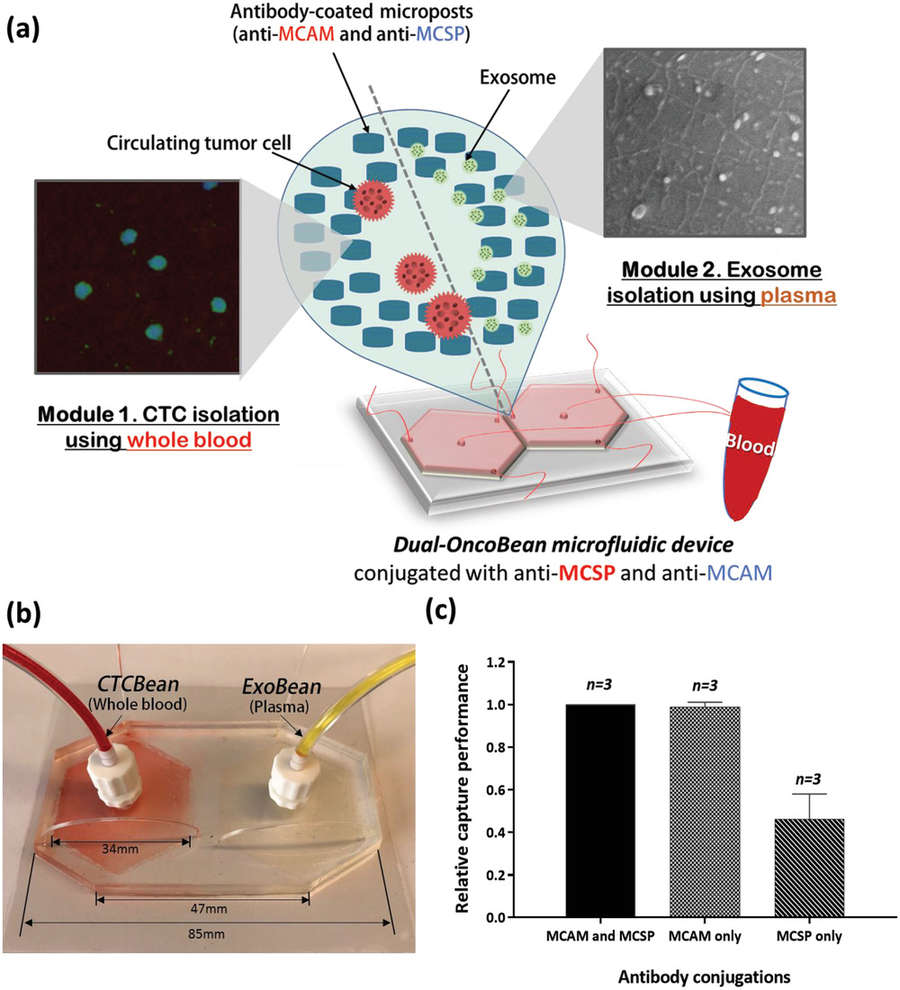 Figure 3. Dual Isolation of CTCs and Cancer Exosomes Using the DUO Microfluidic Device. (A) Schematic of simultaneous isolation of CTCs and exosomes from melanoma patient blood using the DUO microfluidic device. (B) Image of the fabricated DUO chip with dimensional specifications. (C) Comparison of melanoma cell capture efficiency using individual and combined melanoma-specific antibodies. (Kang Y T, et al., 2020)
Creative Biostructure combines scientific expertise with microfluidic innovation to support exosome research and device development. Whether you need purified exosomes for analysis or a custom microfluidic chip for integration into your own system, we're here to help. Contact us to discuss your project and request a quote.
References
- Kang Y T, Hadlock T, Lo T W, et al. Dual‐isolation and profiling of circulating tumor cells and cancer exosomes from blood samples with melanoma using immunoaffinity‐based microfluidic interfaces. Advanced Science. 2020, 7(19): 2001581.
- Wu Y, Wang Y, Lu Y, et al. Microfluidic technology for the isolation and analysis of exosomes. Micromachines. 2022, 13(10): 1571.
- Ramnauth N, Neubarth E, Makler-Disatham A, et al. Development of a microfluidic device for exosome isolation in point-of-care settings. Sensors. 2023, 23(19): 8292.
Frequently Asked Questions
For any inquiries, our support team is ready to help you get technical support for your research and maximize your experience with Creative Biostructure.