Exosome Solutions in Diagnostics and Biomarker Discovery
Are you struggling to identify reliable, early-stage biomarkers? Traditional tissue biopsies are invasive, while standard cell-free DNA (cfDNA) often lacks the sensitivity needed for early detection.
We provide end-to-end exosome diagnostics solutions. Exosomes are the future of liquid biopsy. They are stable, abundant in biofluids (blood, urine, CSF), and carry a comprehensive cargo of exosomal miRNAs, proteins, and DNA from their parent cells. Whether you are developing a prostate cancer test or exploring neurodegenerative biomarkers, our platform helps you unlock the diagnostic potential of exosomes.
The Advantage of Exosomes as Diagnostic Biomarkers
Why is the exosome diagnostics market shifting towards vesicular markers? Unlike free-floating molecules, exosomes offer a protected, enriched source of biological information, making them superior candidates for clinical diagnosis.
- Superior Stability: The lipid bilayer protects exosomal biomarkers (RNA and proteins) from degradation, allowing for the detection of low-abundance targets.
- Real-Time Disease Monitoring: Exosomes released by tumor cells carry the current molecular state of the cancer, offering a dynamic snapshot for exosome cancer diagnostics.
- Non-Invasive Accessibility: Exosomes can be isolated from almost any biofluid. We specialize in urinary exosomes, plasma, and serum, enabling repeatable, non-invasive patient monitoring.
- Multi-Analyte Profiling: A single exosome allows for simultaneous analysis of exosome microRNA (miRNA), proteins, and double-stranded DNA, providing a multi-dimensional view of the disease.
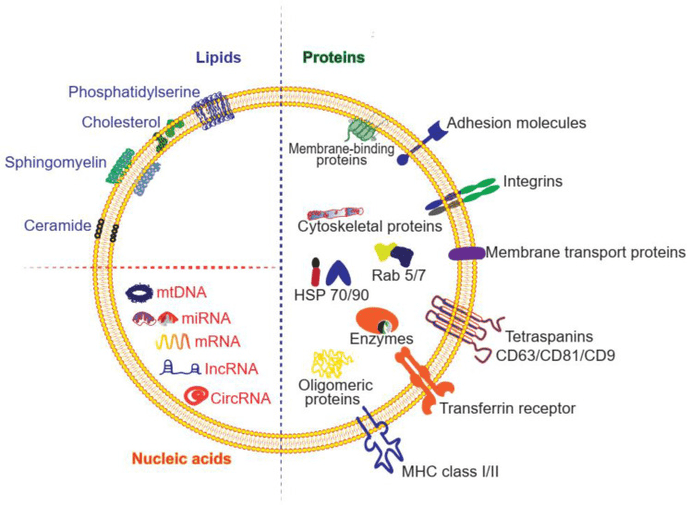
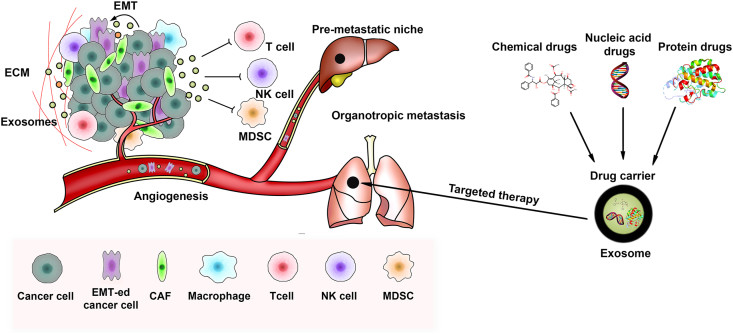
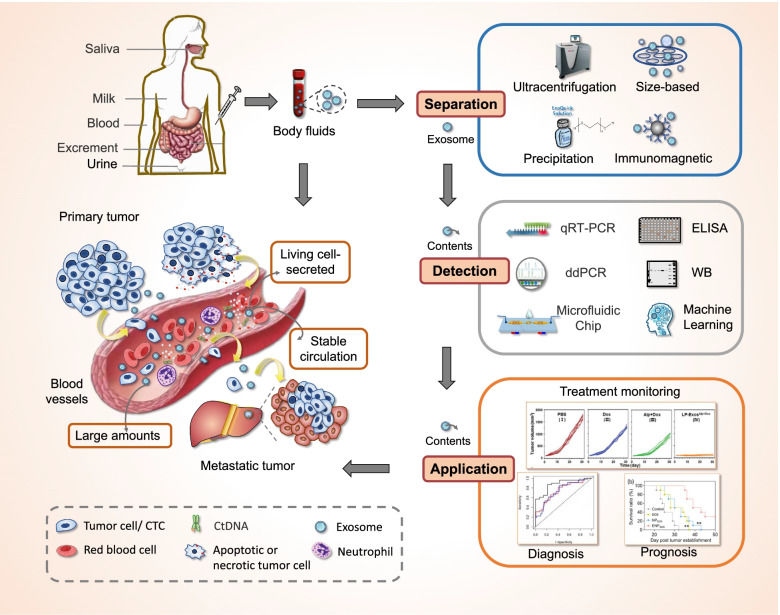 Figure 1. Exosomes as a liquid biopsy target. (Yu D, et al., 2022)
Our Integrated Biomarker Discovery Platforms
We streamline the complex path from sample to signature. Our integrated platform combines high-purity isolation with deep multi-omics profiling to discover and validate robust exosome biomarkers.
| Service Pillar | Key Services & Technologies We Provide |
|---|---|
| Biofluid Sample Isolation | Optimized for Clinical Samples: We utilize specialized protocols to isolate high-purity exosomes from complex biofluids. Our expertise covers plasma/serum and urine exosome biomarker discovery. We employ SEC and Immunoaffinity Capture to remove contaminants like albumin. |
| Deep Multi-Omics Discovery | Unbiased Screening: We deploy high-throughput platforms to screen for novel candidates. This includes NGS for Exosomal Small RNA/miRNA, lncRNA, and Quantitative Proteomics to identify differentially expressed markers with high sensitivity. |
| Bioinformatics & Selection | Data to Insight: Our team performs differential expression analysis to identify candidate biomarkers. We use machine learning to filter noise and select robust panels for specific indications, such as aggressive prostate cancer or lung cancer. |
| Clinical Validation | Targeted Verification: We validate your findings using targeted assays. We develop custom qPCR/ddPCR assays for exosomal miRNA biomarkers and ELISA/Western Blot for protein markers to confirm diagnostic sensitivity and specificity in larger cohorts. |
Diagnostic Applications We Support
Our platform is designed to support the entire spectrum of diagnostic development. We help you translate exosome discoveries into clinical tools through the following specialized application areas.
Extracellular Vesicle Biomarker Discovery
We provide a broad discovery platform to identify novel exosome biomarkers for oncology, neurology, and metabolic diseases. Whether you are researching prostate cancer, lung cancer, or kidney disease, we isolate EVs from diverse biofluids—including plasma, serum, and urine—to screen for disease-specific signatures that traditional biopsies miss.
Exosome-Based Companion Diagnostics
We assist pharmaceutical partners in developing companion diagnostics (CDx) to support precision medicine. By profiling exosomes from patient samples, we help you identify patient subgroups likely to respond to specific therapies (e.g., immunotherapies), reducing clinical trial risks and enabling personalized treatment strategies.
Liquid Biopsy via Exosomal miRNA/Protein
This is the core of our liquid biopsy capability. We focus on the specific cargo that makes exosomes unique: exosomal miRNA (microRNA) and membrane proteins. We help you validate these specific analytes as non-invasive indicators for early cancer diagnostics (e.g., detecting early-stage breast or colorectal cancer) or monitoring treatment response in real-time.
Custom Exosome Panels for Disease Biomarkers
Single biomarkers often lack sufficient sensitivity. We specialize in developing multi-analyte panels (e.g., a signature combining 3 specific miRNAs and 1 protein). We take your candidate markers and validate them into a robust, custom diagnostic panel, optimizing diagnostic accuracy (AUC) for clinical application.
Advantages of Our Discovery Platform
Partner with us to leverage a platform built for clinical rigor and discovery depth.
High-Sensitivity Isolation Technologies
The biggest bottleneck in exosome diagnostics is purity. Our advanced SEC and microfluidics workflows effectively separate exosomes from lipoproteins and protein aggregates. This ensures that the "biomarkers" we find are truly from the exosomes, not plasma contaminants.
Integrated Multi-Omics Capability
We don't just look at one angle. Our ability to perform Proteomics and Transcriptomics on the same sample allows for the discovery of composite biomarkers (e.g., RNA + Protein), significantly increasing the success rate of your exosome biomarker discovery program.
Path to Clinical Translation
We design our discovery studies with the clinic in mind. From utilizing scalable isolation methods to establishing SOPs, we ensure your biomarkers are reproducible and ready for downstream clinical validation.
Application Spotlight: Exosomal miRNA for Lung Cancer Detection
This analysis highlights how our specific technologies—High-Throughput Sequencing and Validation—are applied to discover novel diagnostic signatures in open-access research.
Featured Technologies:
Literature Interpretation:
This landmark study tackled the challenge of diagnosing lung adenocarcinoma (LUAD) early using non-invasive blood samples, a key goal in exosome cancer diagnostics. The researchers used plasma exosome isolation followed by Small RNA Sequencing (NGS) to screen for miRNA candidates. They identified a specific 4-miRNA signature (miR-181-5p, miR-30a-3p, miR-30e-3p, and miR-361-5p) that was significantly distinct in cancer patients. When validated, this exosomal miRNA panel showed high sensitivity and specificity for detecting early-stage lung cancer, outperforming traditional markers like CEA.
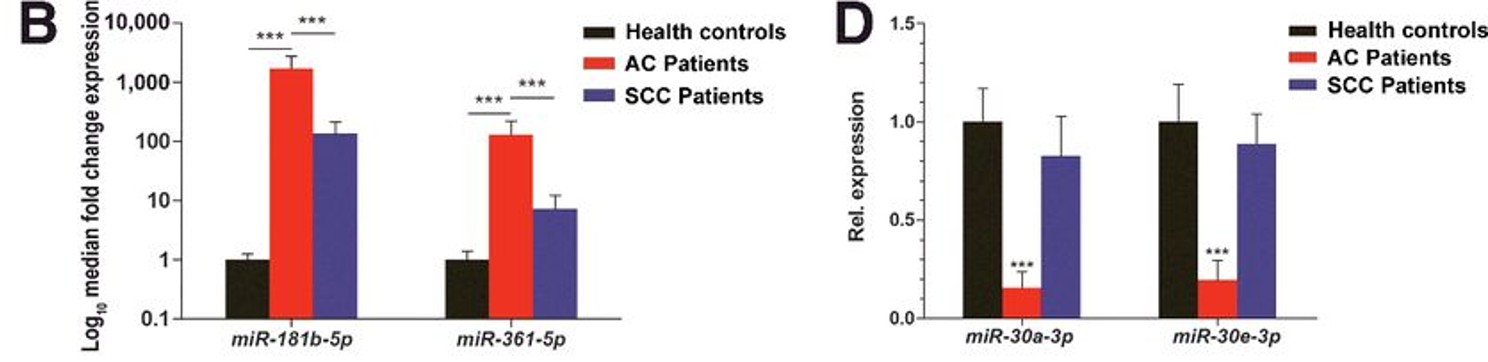 Figure 2. qPCR data on miRNA expression levels of select miRNAs in the validation set. Log10 of the median fold change in expression levels of validated miR-181b-5p, miR-361-5p (B). The relative miR-30a-3p, miR-30e-3p (D) levels in health controls, adenocarcinoma, and SCC were detected by qPCR in the validation set. (Jin X, et al., 2017)
Start Your Biomarker Discovery Project
We make getting started straightforward. Our process is designed to be collaborative and transparent, ensuring your project goals are met at every stage.
How It Works: Our Project Pathway
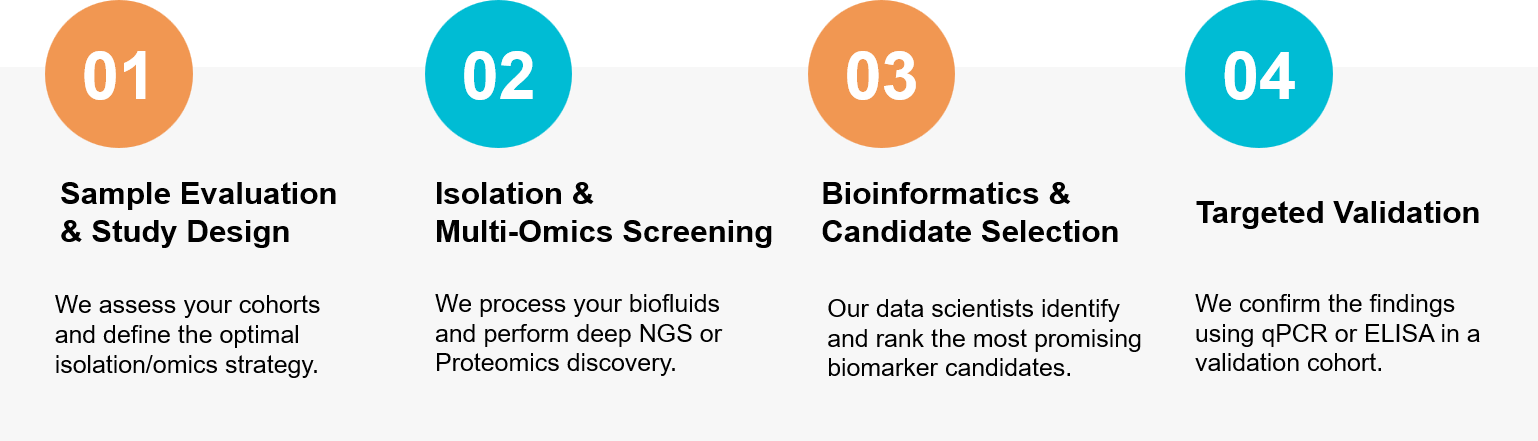 Figure 3. Project Workflow for Exosomes Biomarker Discovery Service. (Creative Biostructure)
Ready to discover your next breakthrough biomarker? Our scientific team is available for a free consultation to discuss your specific clinical goals and sample types.
References
- Yu D, Li Y, Wang M, et al. Exosomes as a new frontier of cancer liquid biopsy. Mol Cancer. 2022 Feb 18;21(1):56.
- Jin X, Chen Y, Chen H, et al. Evaluation of Tumor-Derived Exosomal miRNA as Potential Diagnostic Biomarkers for Early-Stage Non-Small Cell Lung Cancer Using Next-Generation Sequencing Clin Cancer Res. 2017 Sep 1;23(17):5311-5319.