Prostate Cancer Exosome Research Services
Prostate cancer management faces two massive hurdles: the diagnostic "Grey Zone" where PSA levels are inconclusive, and the inevitable development of Castration-Resistant Prostate Cancer (CRPC). Exosomes hold the key to solving both. In urine, they offer a non-invasive window into the prostate's genetic state without a biopsy. In blood, they reveal the emergence of androgen receptor variants (like AR-V7) that drive resistance to life-extending therapies.
We provide specialized Prostate Cancer Exosome Research solutions. Whether you are developing a Urine Liquid Biopsy to reduce unnecessary biopsies or investigating the mechanism of Enzalutamide resistance, our platform offers the specialized isolation and multi-omics tools required to decode prostate malignancy.
Critical Frontiers in Prostate Oncology
The management of prostate cancer faces the dual challenge of over-diagnosis in early stages and resistance in late stages.
- The PSA "Grey Zone": Differentiating between indolent cancer and aggressive disease in patients with slightly elevated PSA (4-10 ng/mL) is difficult, leading to unnecessary biopsies. Specific urine-based molecular markers are needed.
- Castration Resistance (CRPC): Almost all patients eventually develop resistance to androgen deprivation therapy (ADT). Tracking the emergence of Androgen Receptor splice variants (like AR-V7) in real-time is crucial for switching therapies.
- Bone Metastasis (Osteotropism): Prostate cancer has a unique predilection for bone. Research focuses on the "vicious cycle" where tumor exosomes remodel the bone microenvironment (osteoblasts/osteoclasts) to support tumor growth.
- Neuroendocrine Differentiation: Under treatment pressure, some adenocarcinomas transform into aggressive neuroendocrine phenotypes. Monitoring this lineage plasticity via liquid biopsy is an emerging frontier.
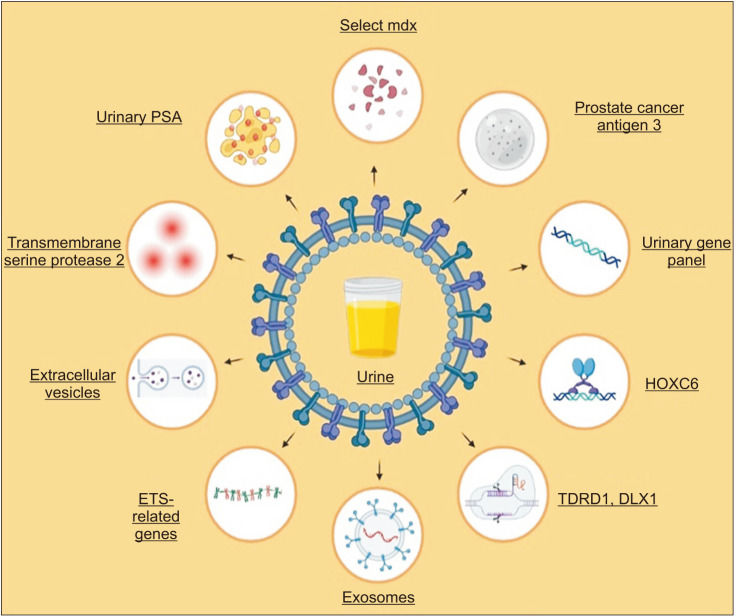 Figure 1. Urine biomarkers for prostate cancer diagnosis. (Kumar Am S, et al., 2024)
Our Prostate Cancer Research Workflow
We offer a pipeline optimized for both Urine (Diagnosis) and Plasma (Resistance) workflows.
| Research Phase | Our Specialized Approach & Solution | Key Services Applied |
|---|---|---|
| Sample Processing | Urine Conditioning: Urine is rich in Tamm-Horsfall proteins that trap exosomes. We use specialized Chemical/Enzymatic Pre-treatment followed by TFF or precipitation to isolate clean exosomes from urine volumes (10-50 mL). | Exosome Isolation by Tangential Flow Filtration (TFF) |
| Biomarker Discovery | AR Variant Detection: We utilize Droplet Digital PCR (dPCR) to absolutely quantify the copy number of AR-V7 mRNA in exosomes, a definitive marker for Enzalutamide resistance. | Exosomal mRNA Sequencing |
| Functional Modeling | Androgen Independence: We cultivate hormone-sensitive (LNCaP) and resistant (C4-2B) cell lines. We treat sensitive cells with resistant exosomes to test the transfer of Castration Resistance (measured by cell growth in charcoal-stripped media). | Exosome Dual-luciferase Reporter Gene Assay |
| Metastasis In Vivo | Bone Tropism Models: We inject labeled exosomes intracardially into mice and use Bioluminescence Imaging to track their specific accumulation in the tibia and femur (bone marrow homing). | In Vivo Exosome Functional Assays |
Core Technologies for Prostate Oncology
We utilize technologies specifically chosen for their ability to handle urine samples and detect rare resistance markers.
Urine Exosome Isolation & Normalization
Non-Invasive Liquid Biopsy: Urine is the ideal biofluid for prostate cancer but is technically challenging due to high variability in concentration. We provide standardized Urine Exosome Isolation protocols that include Creatinine normalization. This ensures that the biomarkers we find (miRNA/mRNA) are truly up-regulated in the tumor, not just artifacts of urine concentration.
lncRNA & AR-V7 Sequencing
Decoding Resistance: Long non-coding RNAs (lncRNAs) and splice variants are major drivers of CRPC. Our Exosomal lncRNA Sequencing service is optimized to detect these low-abundance regulatory transcripts. Combined with targeted dPCR for AR-V7, we provide a comprehensive profile of the androgen signaling axis in your samples.
Bone Metastasis Microenvironment Assays
The Vicious Cycle: To study bone metastasis, we use co-culture models of Osteoblasts/Osteoclasts and prostate cancer cells. We add exosomes to this system and measure markers of bone remodeling (ALP activity, TRAP staining). This allows you to validate if your exosomes act as "fertilizer" for bone lesions.
Application Spotlight: Exosomal Enzymes Drive Angiogenesis and Metastasis
This analysis demonstrates how exosomal proteins remodel the tumor microenvironment to facilitate cancer spread, validating the need for functional phenotypic assays.
Featured Technologies:
- Exosome Proteomics
- Angiogenesis Tube Formation Assay
Literature Interpretation:
Angiogenesis, the formation of new blood vessels, is a prerequisite for prostate cancer metastasis. Researchers investigated the proteomic cargo of prostate cancer exosomes to identify drivers of this process. The study revealed that these exosomes are enriched with the metabolic enzyme PGAM1. Upon internalization by recipient cells, exosomal PGAM1 directly interacts with ACTG1 (gamma-actin), leading to significant cytoskeletal remodeling. This interaction was shown to enhance cell motility and stimulate endothelial tube formation (angiogenesis) in vitro. In vivo experiments confirmed that exosomes carrying PGAM1 accelerated tumor growth and distant metastasis. This study highlights the non-metabolic functions of metabolic enzymes in exosomes and validates our Angiogenesis and Invasion assays for mapping metastatic pathways.
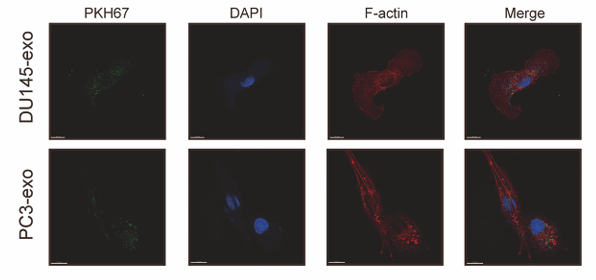 Figure 2. Co-culture of PKH67-labeled PCa cell exosomes with HUVECs showing nuclear, exosomal, and cytoskeletal staining. (Luo JQ, et al., 2023)
Start Your Prostate Cancer Project
Advance your diagnostic or therapeutic program with our specialized urology platform.
How It Works: Our Project Pathway
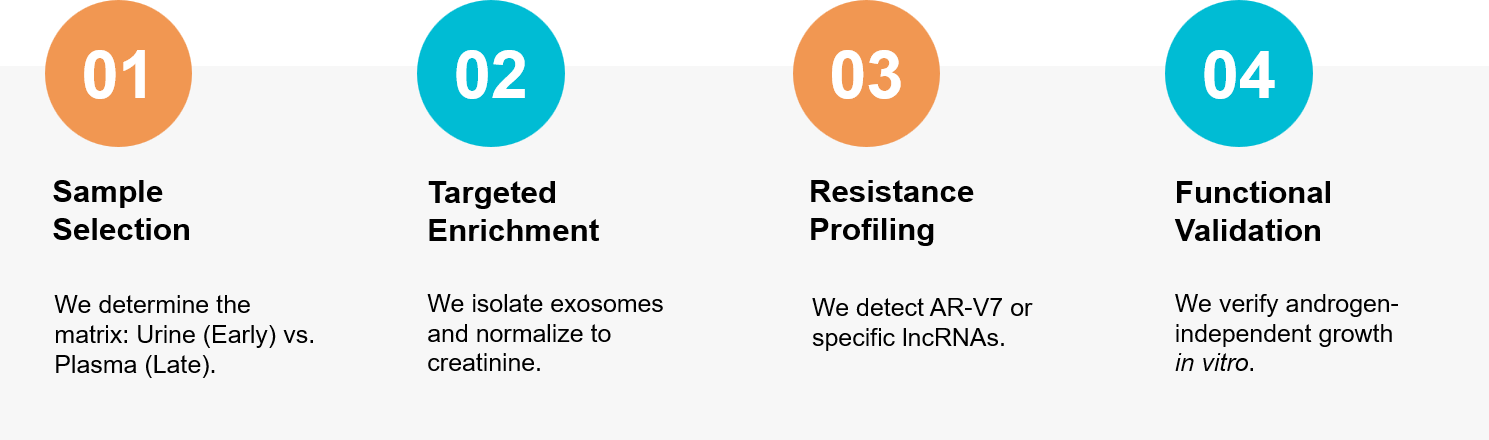 Figure 3. Our integrated workflow for non-invasive diagnosis via urine exosomes and profiling mechanisms of Castration-Resistant Prostate Cancer (CRPC). (Creative Biostructure)
Ready to tackle the PSA Grey Zone or CRPC resistance? Our prostate cancer experts are available to discuss your biomarker strategy. Contact us today to discuss your project.
References
- Kumar Am S, Rajan P, Alkhamees M, et al. Prostate cancer theragnostics biomarkers: An update. Investig Clin Urol. 2024 Nov;65(6):527-539.
- Luo JQ, Yang TW, Wu J, et al. Exosomal PGAM1 promotes prostate cancer angiogenesis and metastasis by interacting with ACTG1. Cell Death Dis. 2023 Aug 4;14(8):502.