Rodents Exosome Lipidomics Analysis Service
For scientists conducting preclinical research using rodents (mice and rats), a comprehensive understanding of the lipid composition of exosomes is a critical step toward elucidating disease mechanisms, discovering biomarkers, and evaluating drug efficacy. Creative Biostructure offers comprehensive lipidomics analysis services for rodent exosomes. Our services are specifically designed for exosome samples derived from rodent research subjects. We support advanced lipidomics analysis of rodent exosome samples, enabling comprehensive research into extracellular vesicle-mediated cell communication.
Why Analyze the Exosomal Lipidomics of Rodents?
Conducting exosomal lipidomics analysis in rodent models is a crucial step for delving into disease mechanisms and intercellular communication. As central models for studying human physiological and pathological processes, exosomes in rodents carry specific lipid "molecular fingerprints" of their parent cells. By analyzing their lipid profiles, we can non-invasively and dynamically reveal how lipid metabolism in cell membranes is reprogrammed during the development and progression of diseases (such as cancer, neurodegenerative disorders, or metabolic dysfunctions), thereby identifying potential disease biomarkers. Furthermore, exosomal lipids themselves play important roles in mediating membrane fusion, maintaining structural stability, and facilitating active signal transduction.
Therefore, this analysis not only contributes to breakthroughs in cutting-edge fundamental research but also provides critical insights for understanding drug efficacy and developing novel therapeutic strategies. It serves as a vital bridge, translating discoveries from rodent models into clinical medicine.
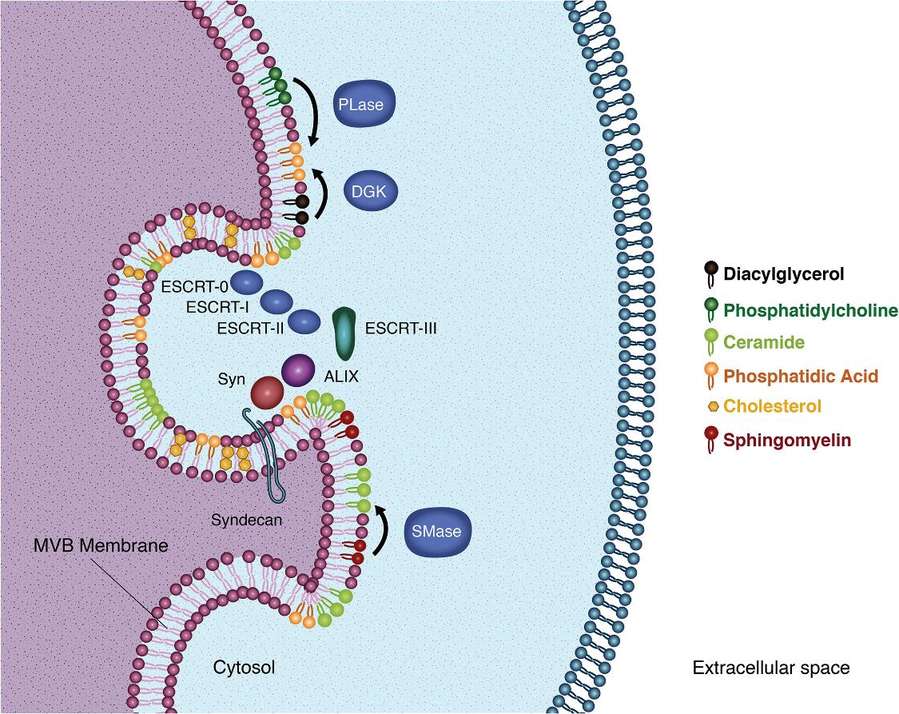
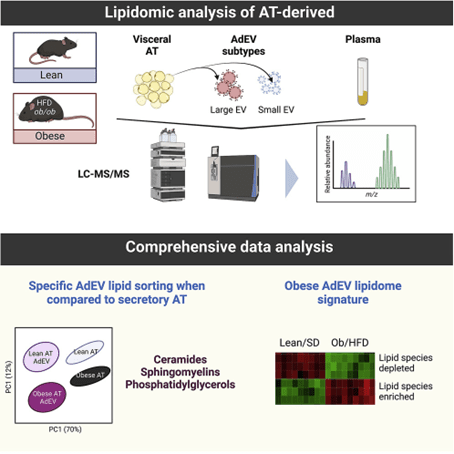 Figure 1. Analysis of the lipid signature in mouse adipocyte-derived extracellular vesicles (AdEVs). (Blandin, A. et al., 2023)
Our Rodents Exosome Lipidomics Analysis Service
Exosomes, as pivotal messengers in intercellular communication, carry a diverse array of glycoproteins that serve as sophisticated molecular codes for cell recognition and immune regulation. Creative Biostructure offers a specialized exosomal glycosylation analysis service to illuminate this hidden layer of biological information. Leveraging advanced lectin microarrays and mass spectrometry technologies, our service provides precise mapping of glycan structures and glycosylation sites, empowering clients to decipher disease-specific glycocodes and accelerate biomarker discovery.
- Exosome Isolation & Purification
High-purity isolation of exosomes from various rodent biofluids using ultracentrifugation and size-exclusion chromatography.
- ≥95% exosome purity
- Contamination-free processing
- Quantification by NTA
- Lipid Extraction & Profiling
Comprehensive lipid extraction and identification using state-of-the-art mass spectrometry techniques.
- Targeted and untargeted analysis
- Coverage of 10+ lipid classes
- High-resolution MS/MS analysis
- Data Analysis & Interpretation
Advanced bioinformatics analysis and comprehensive reporting to facilitate biological interpretation.
- Multivariate statistical analysis
- Lipid pathway enrichment
- Customized data visualization
Workflow of Our Rodents Exosome Lipidomics Analysis Service
Lipid Extraction and Separation
Lipids are then extracted from the exosomes and separated, often using chromatography techniques like liquid chromatography (LC).
Lipid Identification and Quantification
Advanced mass spectrometry (MS) platforms, including LC-MS/MS, are used to identify and quantify the different lipid species present.
Comprehensive Analysis
The service provides detailed lipid profiles, covering major lipid classes such as phospholipids, sphingolipids, and cholesterol.
Data Interpretation and Reporting
Services include comprehensive reporting with interactive data visualizations (e.g., heatmaps, PCA) and pathway analysis linked to databases like KEGG.
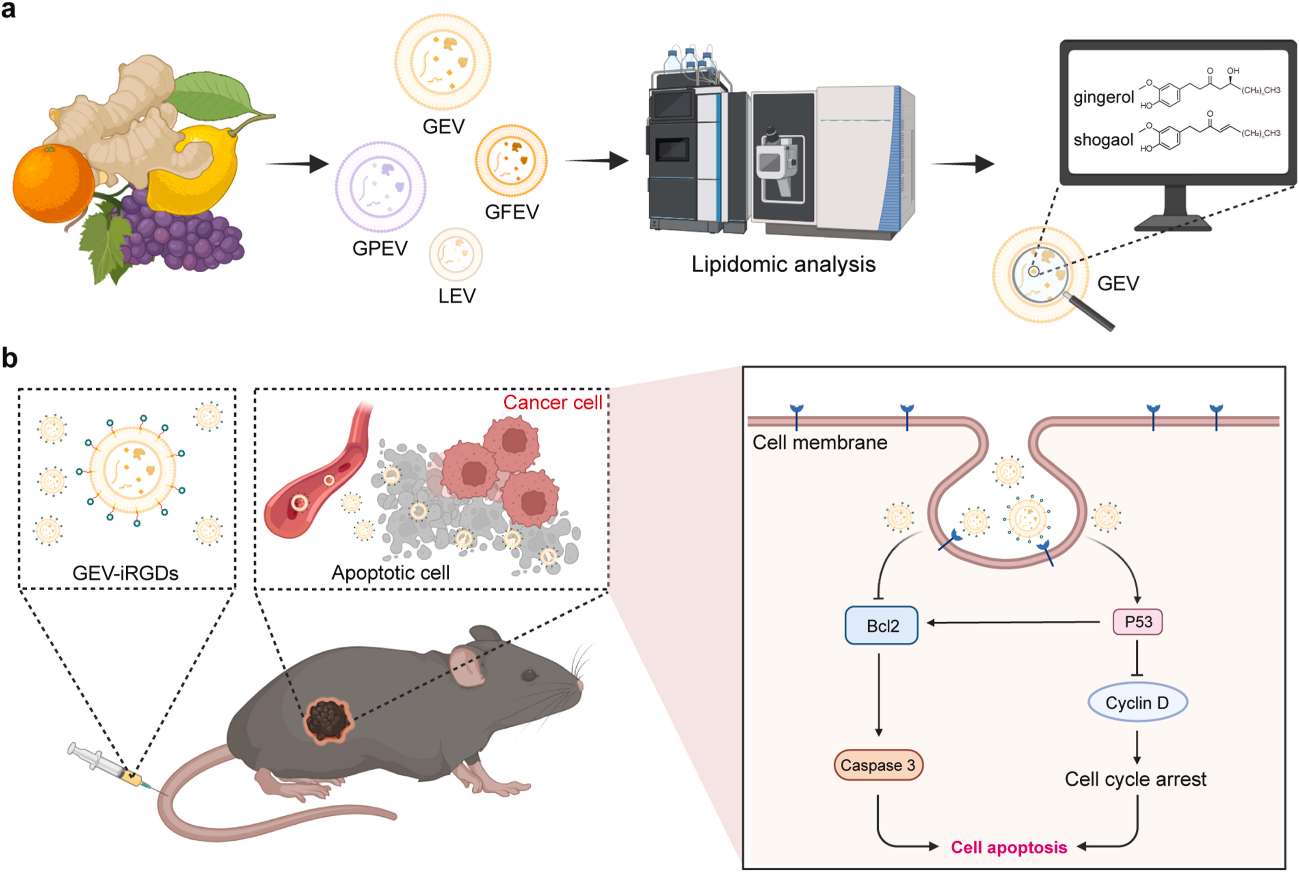
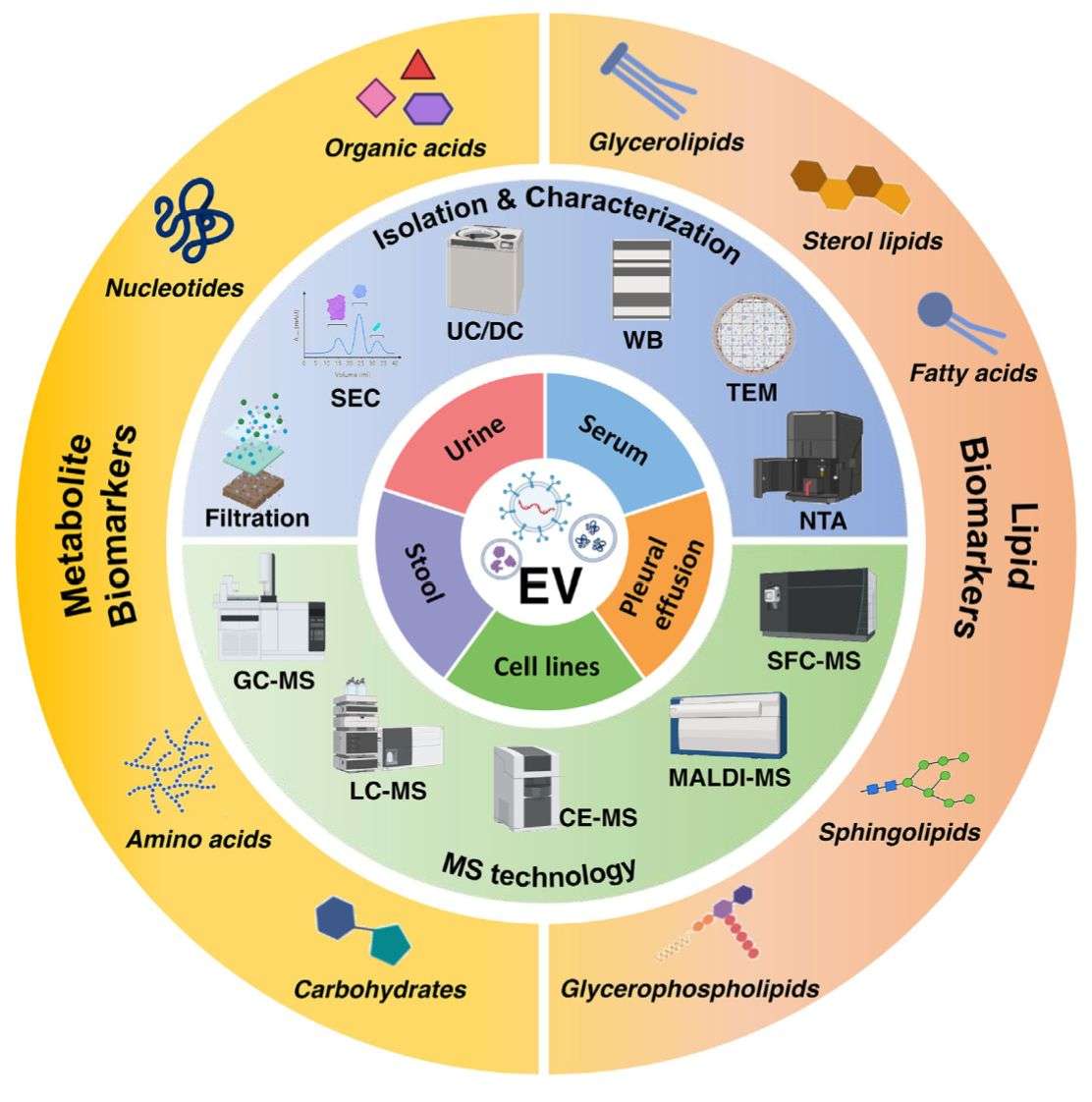
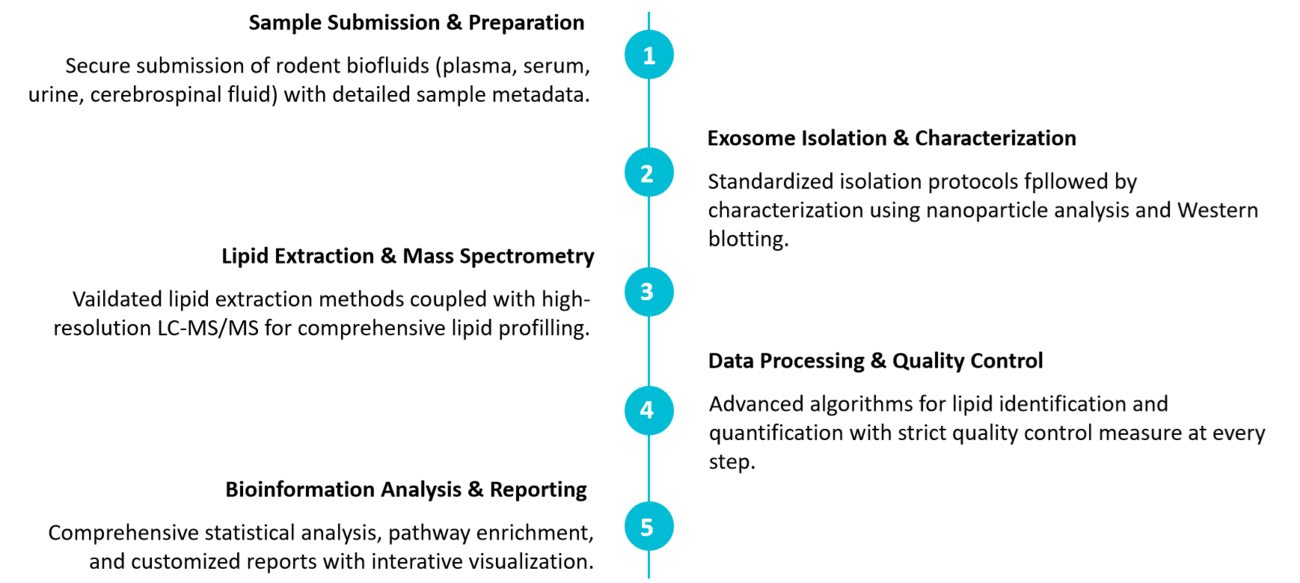 Figure 2. Workflow for lipidomic profiling of rodent exosomes. (Creative Biostructure)
Applications
Our rodent exosome lipidomics service supports a wide range of biomedical research areas.
- Biomarker Discovery: Identifying specific lipid profiles that can serve as biomarkers for various diseases or conditions.
- Understanding Disease Mechanisms: Gaining insights into how lipid composition influences cellular processes and disease progression.
- Drug Delivery Development: Optimizing exosome lipid composition for targeted drug delivery by understanding their function as carriers.
Advanced Technology Platform
Our cutting-edge analytical instruments ensure high sensitivity, accuracy, and comprehensive lipid coverage for your rodent exosome samples.
- High-Resolution Mass Spectrometry
Orbitrap-based LC-MS/MS systems for accurate mass measurement and reliable lipid identification.
- Ultra-Performance Liquid Chromatography
UPLC systems with advanced column technology for superior separation of complex lipid mixtures.
- Advanced Bioinformatics Pipeline
Custom-developed algorithms for lipid identification, quantification, and pathway analysis.
Case Study
Case: Lipidomic Analysis of Exosomes from Mouse Cortical Collecting Duct Cells
Background
The packaged material within exosomes includes proteins and lipids, but the molecular comparison within exosome subtypes is largely unknown. The purpose of this study was to investigate the molecular differences between two types of exosomes produced by mouse cortical collecting duct cells.
Research Highlights
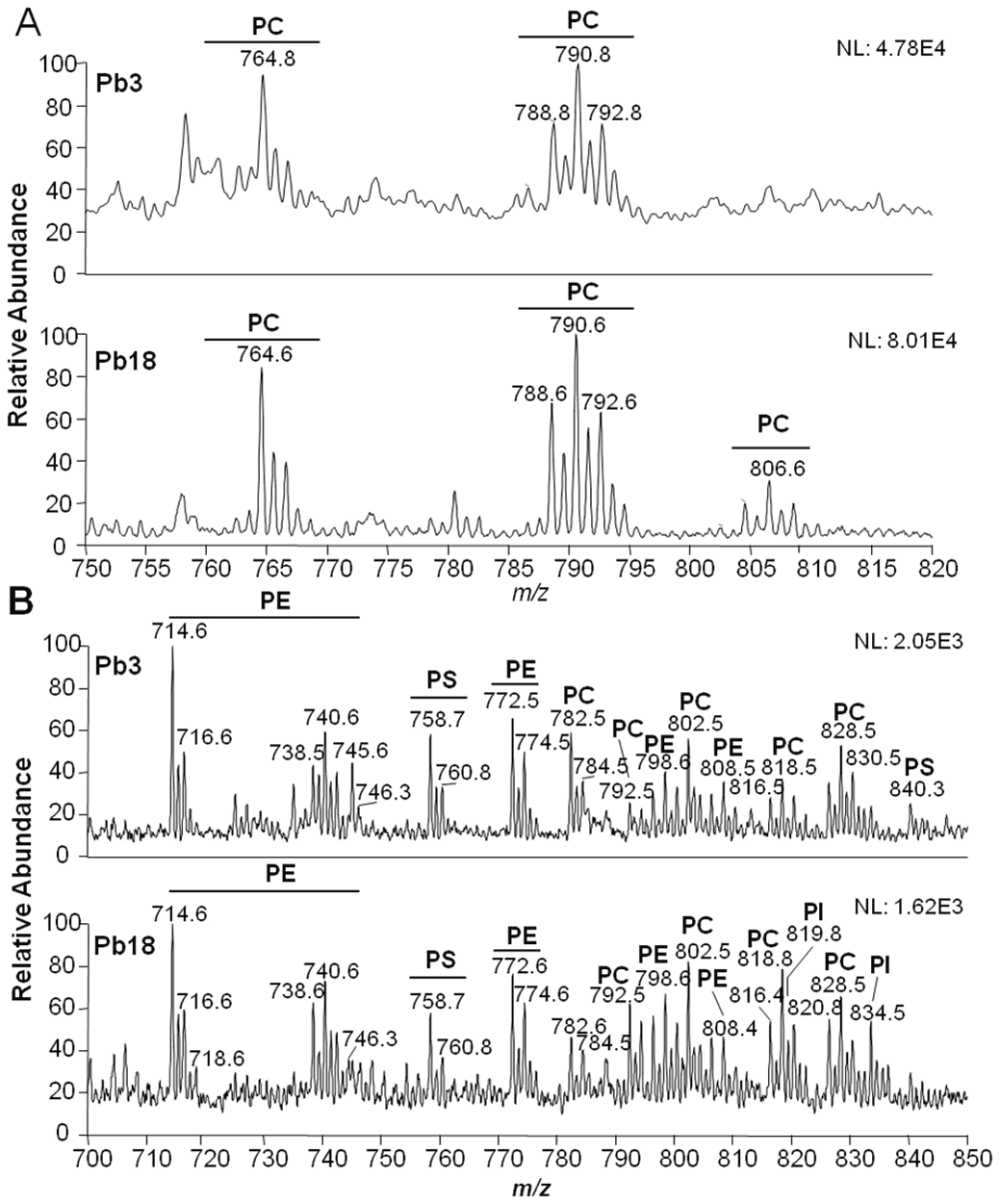
- Mass spectrometry-based shotgun lipidomics analysis showed significant differences in the lipid classes and fatty acid composition of the two types of exosomes.
- Higher levels of sphingomyelin and lower levels of cardiolipin, among other phospholipids in the apical plasma membrane compared to the basolateral plasma membrane exosomes.
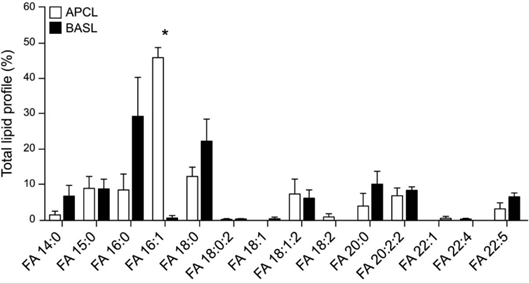 Figure 3. MS/MS spectra of the relative abundance of FAs within mpkCCD exosomes. (Dang, Viet D. et al., 2017)
Conclusion
Research findings indicate that the protein and lipid composition of exosomes derived from the apical and basolateral plasma membranes of renal collecting duct cells exhibits significant differences.
Creative Biostructure's rodents exosome lipidomics analysis service delivers precise, comprehensive lipid profiling to unlock insights into exosome-mediated mechanisms in rodent models. Leverage our advanced mass spectrometry platforms, expert data interpretation, and tailored analysis workflows to accelerate our client's research. Contact us today to discuss your project needs and kickstart high-quality lipidomics research with a trusted partner.
References
- Dang, Viet D., et al. Lipidomic and proteomic analysis of exosomes from mouse cortical collecting duct cells. The FASEB Journal. 31.12 (2017): 5399.
- Blandin, A., et al. Lipidomic analysis of adipose-derived extracellular vesicles reveals specific EV lipid sorting informative of the obesity metabolic state. Cell reports. 42.3 (2023).
Frequently Asked Questions
For any inquiries, our support team is ready to help you get technical support for your research and maximize your experience with Creative Biostructure.