Yeast Exosome Lipidomics Analysis Service
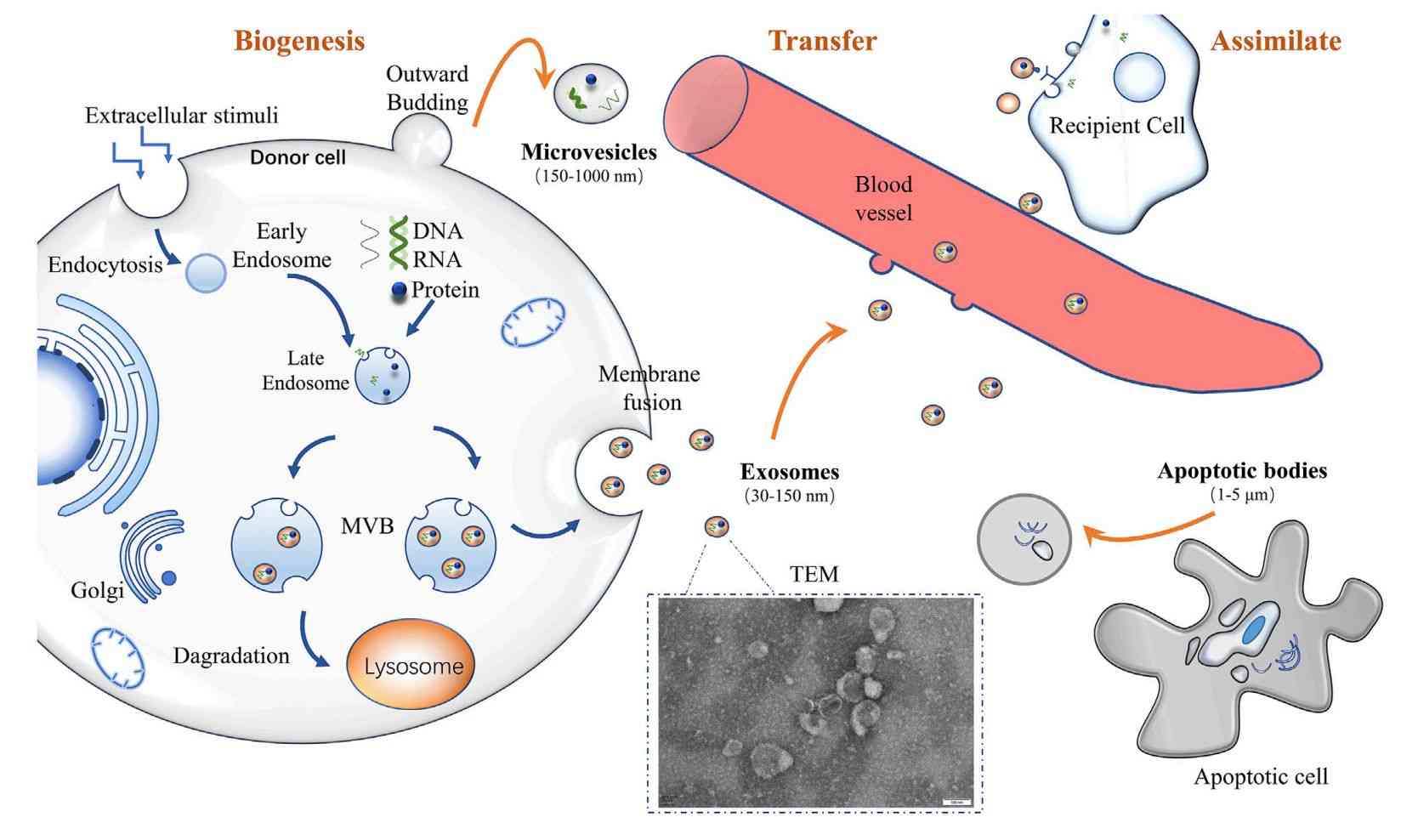
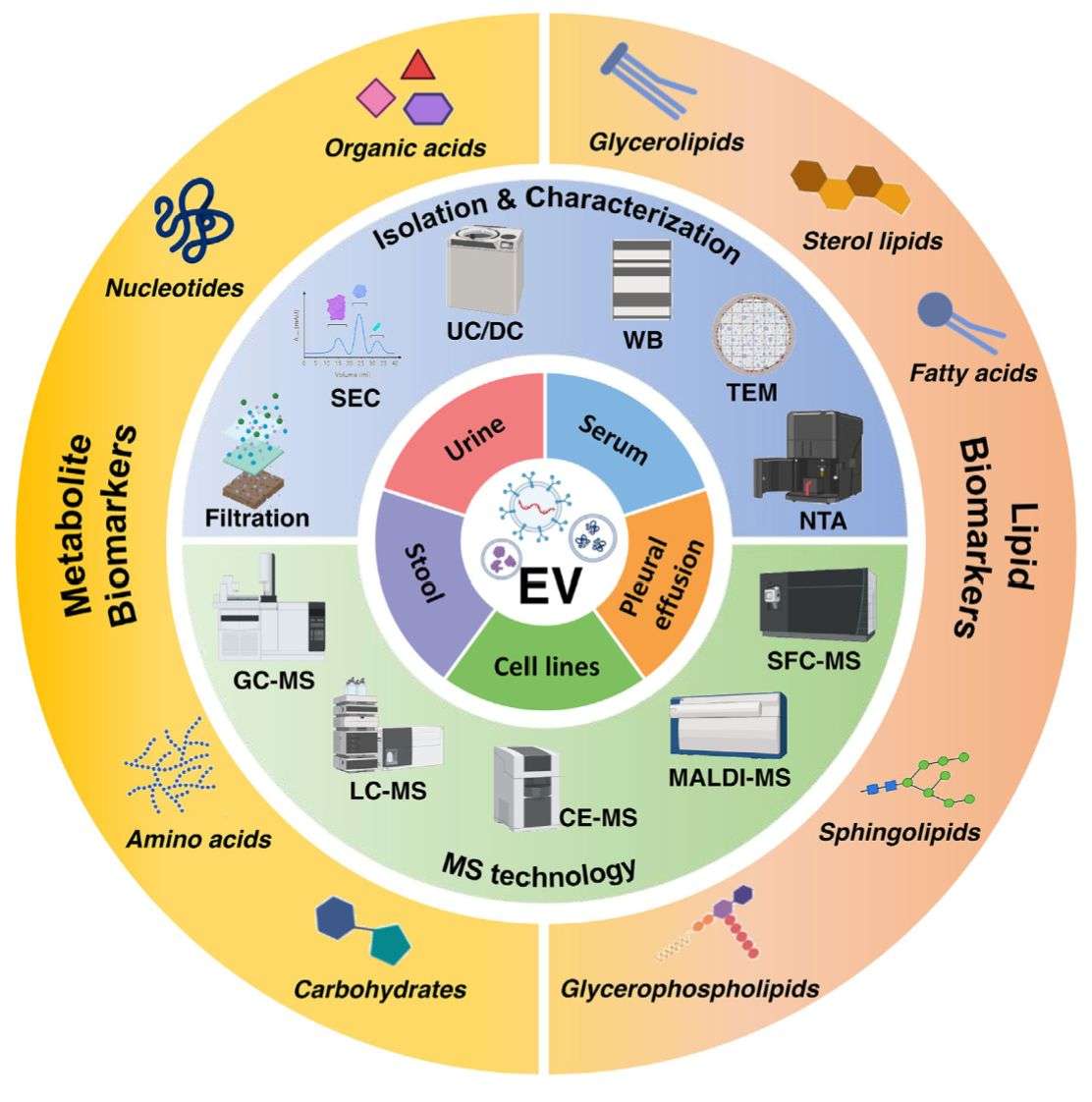
Yeast exosomes play a pivotal role in intercellular communication, stress responses, and metabolic regulation. Creative Biostructure's yeast exosome lipidomics analysis service employs ultracentrifugation combined with density gradient centrifugation to efficiently isolate high-purity yeast exosomes. Utilizing an ultra-high-performance liquid chromatography-tandem mass spectrometry (UHPLC-MS/MS) platform, it enables precise qualitative and relative quantitative analysis of diverse lipid molecules. Through bioinformatics analysis integrating LipidSearch and KEGG/GO databases, we deliver end-to-end solutions from sample processing to biological insights, accelerating breakthroughs in metabolic regulation, biomarker screening, and synthetic biology research.
Why Analyze Yeast Exosome Lipidomics?
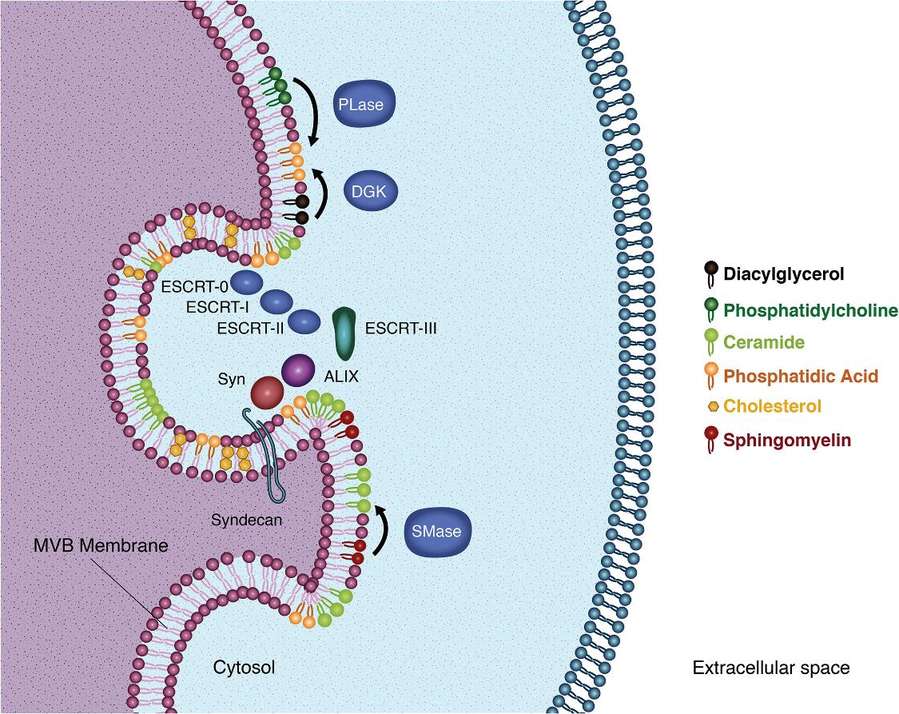
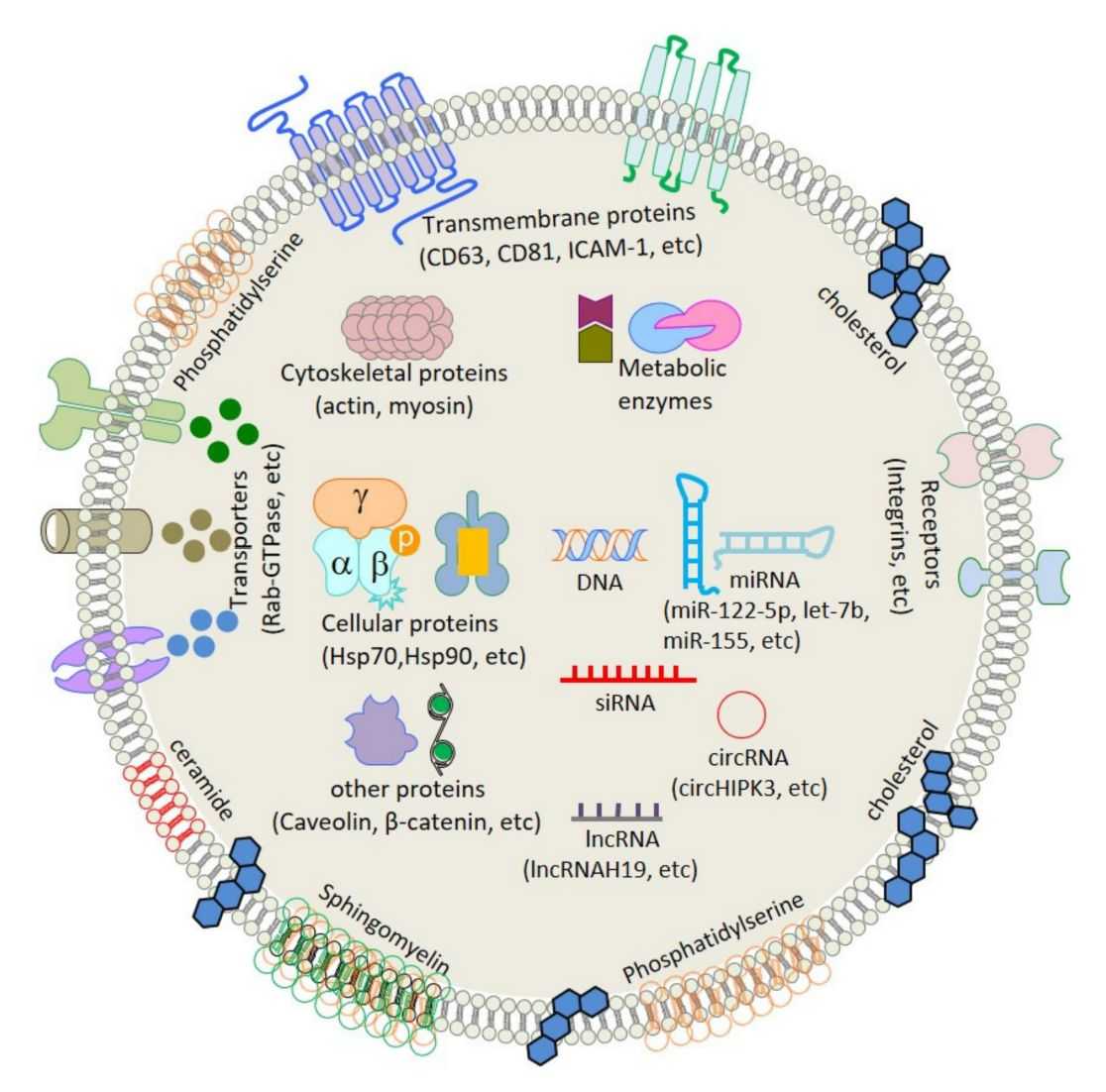
Yeast, as an important eukaryotic model organism, is widely utilized in transcriptomics, proteomics, and interactomics research. Lipid bilayers not only form the structural foundation of exosomes but also directly participate in their biogenesis, cargo loading, and target recognition processes. In-depth lipidomics analysis of yeast exosomes can reveal specific patterns of lipid molecular changes under different genetic backgrounds or stress conditions (such as salt/drought stress, nutrient deprivation), thereby elucidating the adaptive mechanisms of yeast cells. For example, studies have identified a key role for phosphatidylinositol in stress signaling within Arabidopsis root exosomes, suggesting that similar lipid-mediated signaling events may also occur in yeast.
Our Yeast Exosome Lipidomics Analysis Service
Our yeast exosome lipidomics analysis service covers the analysis of multiple lipid categories and is specifically designed for exosome samples from yeast research subjects. We support clients in conducting advanced lipidomics analysis of yeast exosome samples, encompassing diverse lipid categories, to facilitate comprehensive research and provide valuable insights into the lipid profiles of yeast-derived exosomes.
Our analysis includes a comprehensive coverage of 17 distinct lipid classes:
| Diacylglycerol (DAG) | Triacylglycerol (TAG) | Phosphatidate (PA) |
| Phosphatidyl-choline (PC) | Phosphatidyl-ethanolamine (PE) | Phosphatidyl-glycerol (PG) |
| Phosphatidyl-inositol (PI) | Phosphatidyl-serine (PS) | Lyso-phosphatidate (LPA) |
| Lyso-phosphatidyl-choline (LPC) | Lyso-phosphatidyl-ethanolamine (LPE) | Lyso-phosphatidyl-glycerol (LPG) |
| Lyso-phosphatidyl-inositol (LPI) | Lyso-phosphatidyl-serine (LPS) | Cardiolipin (CL) |
| Ceramide (Cer) | Ergosteryl Ester (EE) | Ergosterol (Erg) |
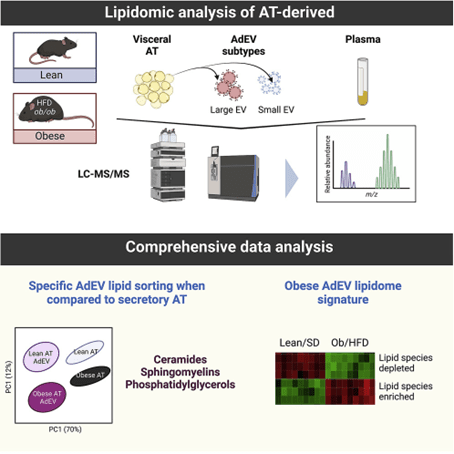
- Comprehensive lipid analysis: Analyzes multiple lipid categories, such as phospholipids, sphingolipids, and sterols.
- Lipid species identification and quantification: Detailed identification and quantification of individual lipid species within yeast exosomes.
- Pathway analysis: Investigates lipid metabolic pathways and networks to understand cellular functions.
- Data and reporting: Provides raw data, detailed reports, and sometimes includes statistical analysis and interpretation.
- Support for exosome research: Aids in understanding exosome biogenesis, exosome-associated signaling mechanisms, and the lipid interactions essential for exosome formation and release.
Our Yeast Exosome Lipidomics Analysis Service Workflow
Creative Biostructure provides clients with a one-stop, professionally rigorous yeast exosome lipidomics analysis solution that ensures precision and reliability at every step from sample to insight.
Sample Reception & Preprocessing
Accept diverse yeast samples (cultures, pellets, etc.) and conduct strict quality control to verify sample viability and integrity.
Perform standardized preprocessing (washing, homogenization, impurity removal) to lay a solid foundation for subsequent analysis.
Exosome Isolation & Purification
Adopt advanced techniques (ultracentrifugation, size-exclusion chromatography, or polymer-based precipitation) tailored to yeast exosome characteristics. Achieve high-purity exosome enrichment by removing non-exosomal contaminants like proteins and cell debris.
Lipid Extraction
Apply optimized, yeast-specific extraction protocols to maximize recovery of target lipids (phospholipids, sterols, fatty acids, etc.).
Ensure lipid structural integrity during extraction to avoid affecting downstream analysis accuracy.
High-Resolution MS Analysis
Analyze extracted lipids using state-of-the-art mass spectrometry platforms (LC-MS/MS, GC-MS) with high sensitivity and resolution.
Conduct comprehensive lipid profiling, covering qualitative identification and quantitative analysis of multiple lipid classes.
Data Processing & Interpretation
Use specialized bioinformatics tools for peak alignment, identification, and quantification, eliminating background noise.
Perform differential lipid analysis, pathway enrichment analysis, and functional annotation based on research objectives.
Comprehensive Report Delivery
Compile raw data, processed lipid profiles, statistical results, and visualized charts (heatmaps, volcano plots) into a detailed report.
Include customized insights and conclusions to directly support your research (biomarker discovery, mechanism exploration, etc.).
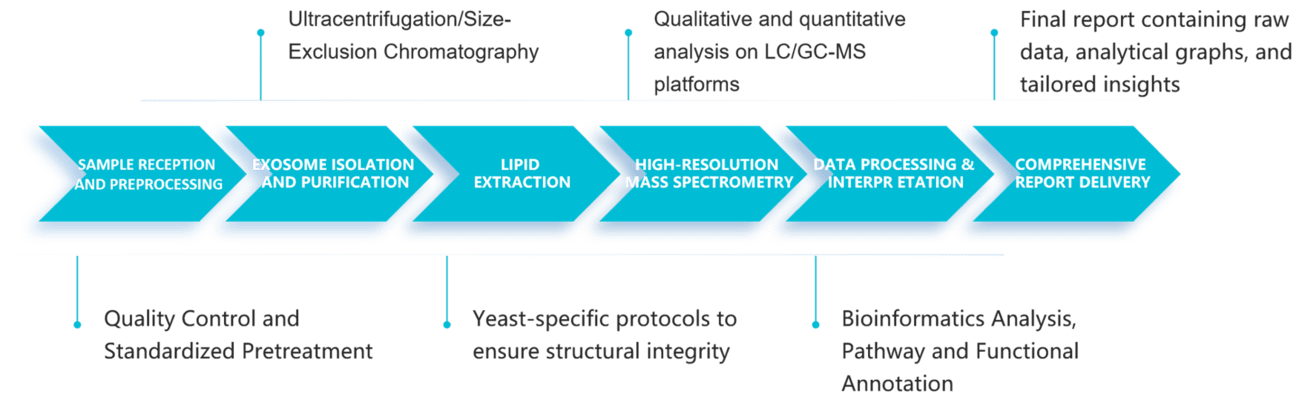 Figure 1. Service process for yeast exosomal lipidomics analysis. (Creative Biostructure)
Supported Sample Range
Our service is compatible with diverse types of yeast exosome samples. Whether clients provide yeast culture broth or pre-purified exosomes, our professional team will deliver customized analysis solutions to ensure acquisition of reliable and accurate lipidomics data.
| Sample Type | Description |
|---|---|
| Yeast cell samples | Yeast cells in the late logarithmic growth phase or following specific stress treatments. |
| Culture supernatant | Cell-free culture supernatant; specify medium composition and culture conditions. |
| Secretion samples | Ensure sterile handling and document sample processing methods. |
| Sample shipping | Ship on dry ice at -80°C; avoid repeated freeze-thaw cycles. |
Final Deliverables
Our comprehensive analytical reports transform complex lipidomics data into biologically meaningful insights, directly supporting clients' research objectives in yeast biology and exosome function.
| Deliverables | Description |
|---|---|
| Analysis report (PDF) | Includes sample pretreatment records, QC data, list of differentially expressed lipids, and KEGG pathway diagrams. |
| Raw data | Contains mass spectrometry raw data (.raw files) and lipid identification results tables. |
| Graphical results | Provides high-quality, publication-ready images such as PCA plots, heatmaps, and volcano plots. |
| Bioinformatics interpretation | Summary of functional annotation and pathway enrichment analysis for differentially expressed lipids. |
Advantages of Our Yeast Exosome Lipidomics Analysis Service
- Species Specificity: The protocol is optimized for the lipidomic profile of yeast exosomes, covering yeast-specific lipids such as sterol glycosides.
- End-to-End Quality Control: Strictly enforced quality control from sample receipt and lipid extraction to instrument analysis.
- High-Resolution Platform: Novel column system coupled with high-resolution mass spectrometry for effective separation of lipid isomers.
- Data Deep Dive: We provide not only foundational data but also in-depth analysis such as chain length and saturation.
Case Study
Case: Lipidomic Analysis of Extracellular Vesicles from the Pathogenic Phase of Paracoccidioides brasiliensis
Background
This study presents a detailed lipidomic analysis of extracellular vesicles released by Paracoccidioides brasiliensis at the yeast pathogenic phase.
Research Highlights
- Compared data from two representative isolates, Pb3 and Pb18, exhibiting distinct virulence characteristics and phylogenetic backgrounds. Vesicular lipids were fractionated into different categories and analyzed via electrospray ionization or gas chromatography-mass spectrometry.
- Identified two monosaccharide ribosylamines and 33 phospholipids, including phosphatidylcholine, phosphatidylethanolamine, phosphatidic acid, phosphatidylserine, phosphatidylserine, phosphatidylinositol, and phosphatidylglycerol.
Among the phospholipid-bound fatty acids in extracellular vesicles, C181 predominated in Pb3, whereas C18:2 prevailed in Pb18. The prevalent sterol in Pb3 and Pb18 vesicles was brassicasterol, followed by ergosterol and lanosterol.
Conclusion
The extensive lipidomic analysis of extracellular vesicles from two P. brasiliensis isolates will help to understand the composition of these fungal components/organelles and will hopefully be useful to study their biogenesis and role in host-pathogen interactions.
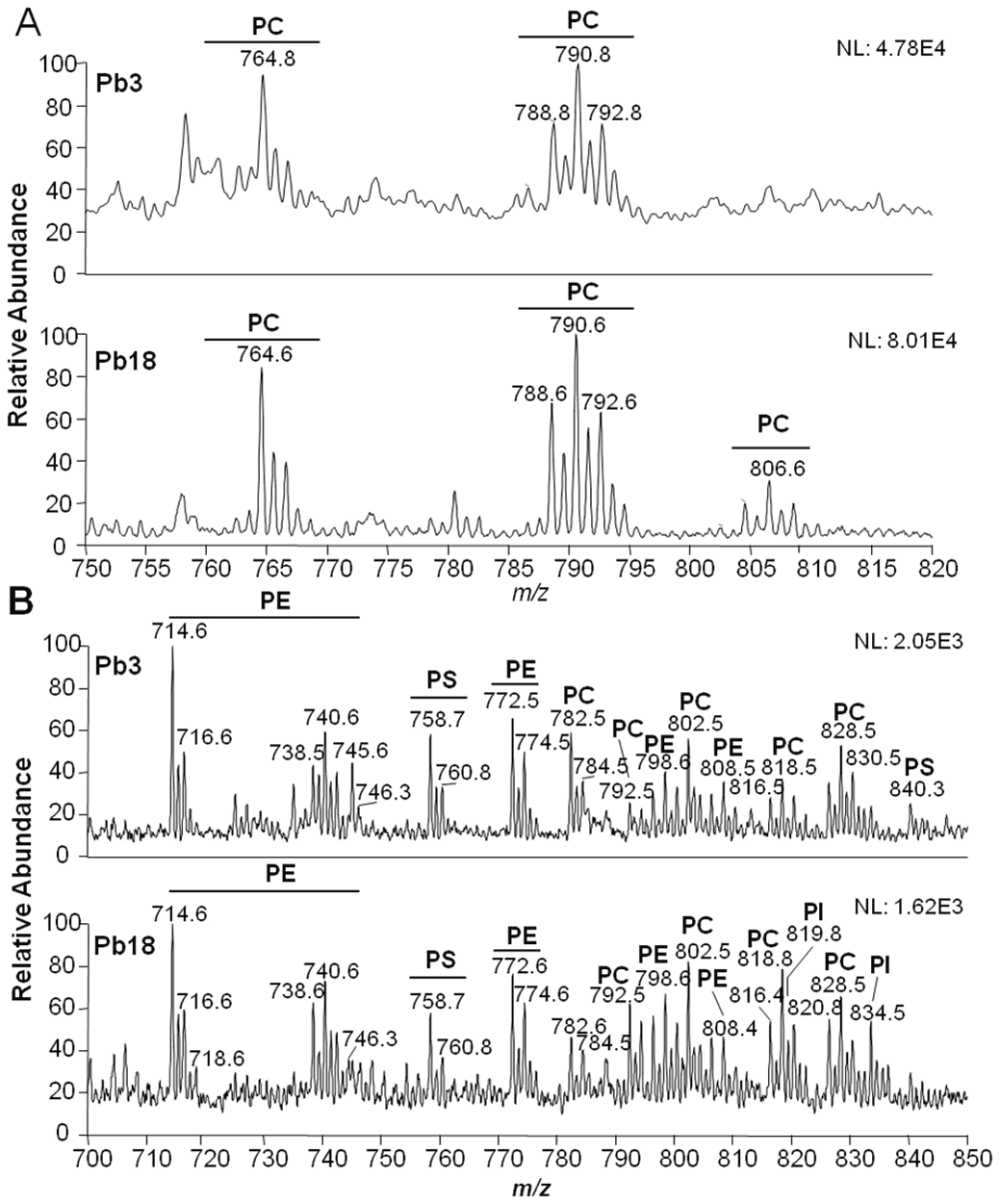 Figure 2. Phospholipid analysis of Pb3 and Pb18 extracellular vesicles by ESI-MS/MS. (Vallejo, M. C. et al., 2012)
Creative Biostructure's yeast exosome lipidomics analysis service delivers deep functional insights, empowering groundbreaking discoveries in drug delivery, pathogenic mechanisms, and biomanufacturing. Contact us today for customized solutions.
Reference
- Vallejo, M. C., et al. Lipidomic analysis of extracellular vesicles from the pathogenic phase of Paracoccidioides brasiliensis. PloS one. 7.6 (2012): e39463.
Frequently Asked Questions
For any inquiries, our support team is ready to help you get technical support for your research and maximize your experience with Creative Biostructure.