Exosome Biomarker Protein Screening Service
Exosome microarray services leverage advanced chip technology to perform high-throughput, high-precision detection and quantitative analysis of diverse RNAs carried by exosome samples. This serves as a powerful tool for exploring disease mechanisms and discovering biomarkers. Creative Biostructure offers cutting-edge exosome RNA microarray services that enable precise analysis of RNA expression patterns, providing valuable insights for biomedical research and clinical applications.
Why is Exosome Biomarker Protein Screening Important?
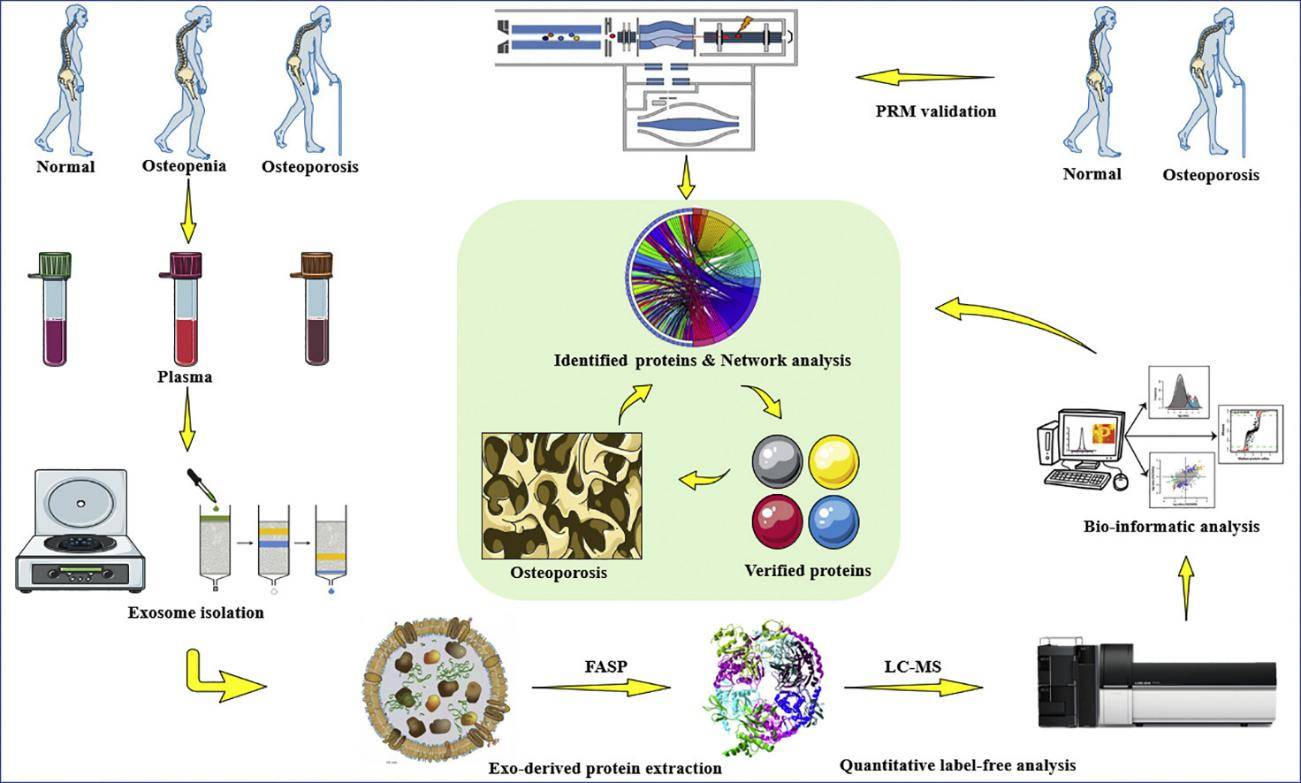
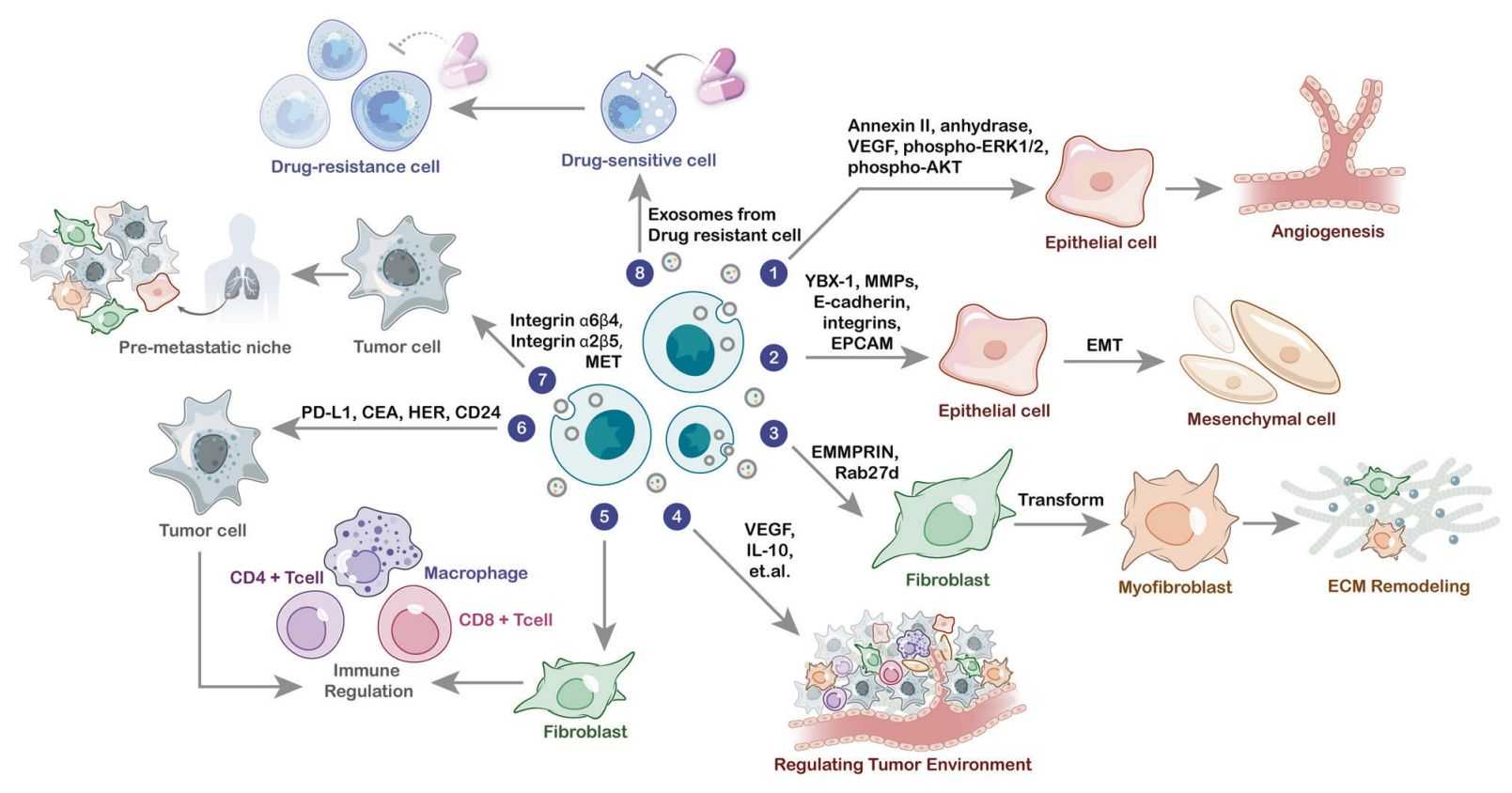
Exosomes, which are abundant in various proteins from parent cells, play pivotal roles in intercellular communication and have been confirmed as promising sources of disease biomarkers. Exosome biomarker protein screening is a process where exosomes are extracted from biofluids and characterized for their proteomic composition to detect disease-specific signatures. Compared to conventional protein biomarkers, proteins derived from exosomes exhibit superior stability, higher accessibility, and enhanced sensitivity, making them valuable tools for both diagnosis and prognosis. They also provide critical information regarding disease development and therapeutic effectiveness. Methods such as mass spectrometry enable high-throughput screening of multiplexed protein panels, supporting advances in precision medicine and the early identification of diseases.
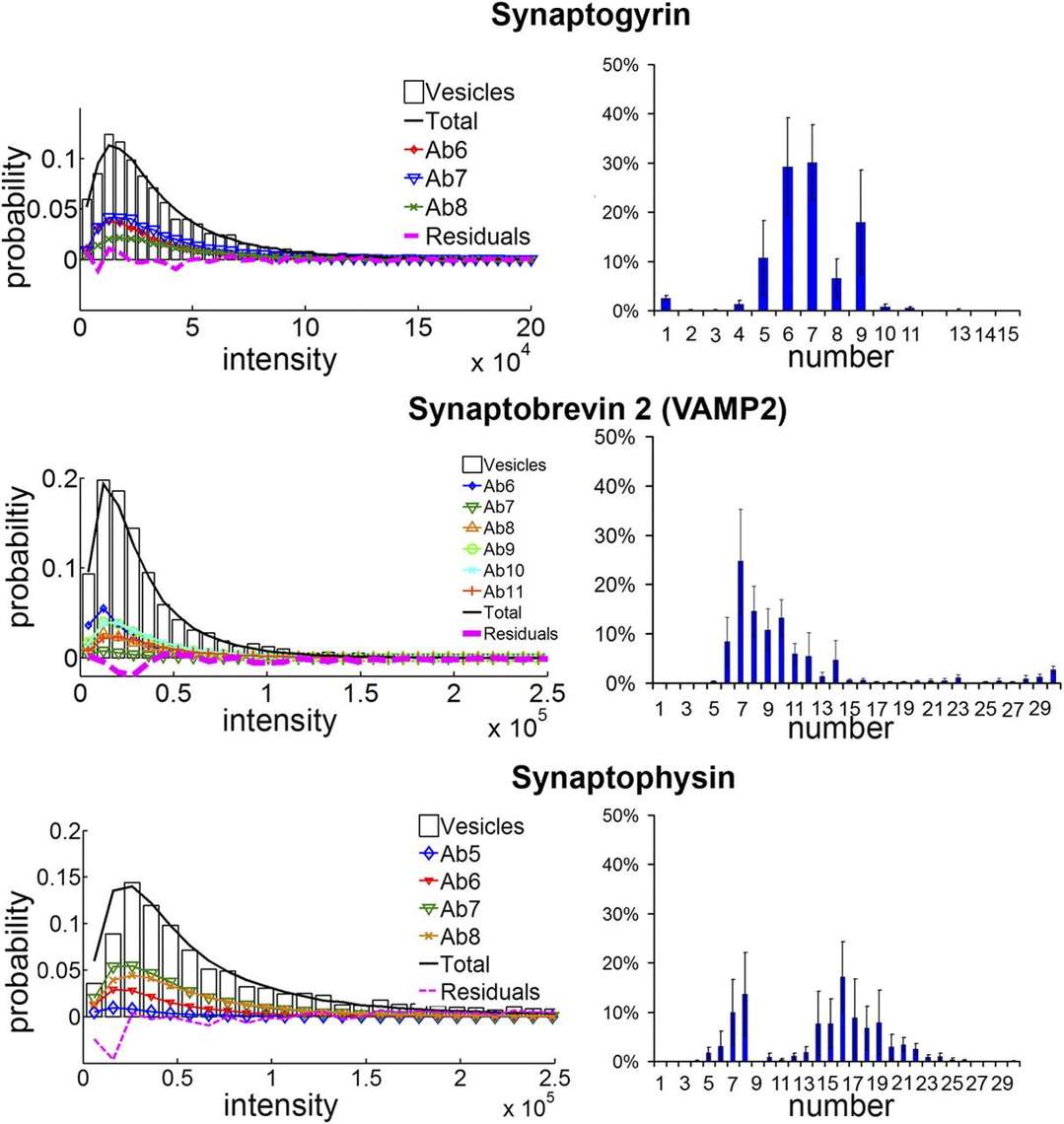
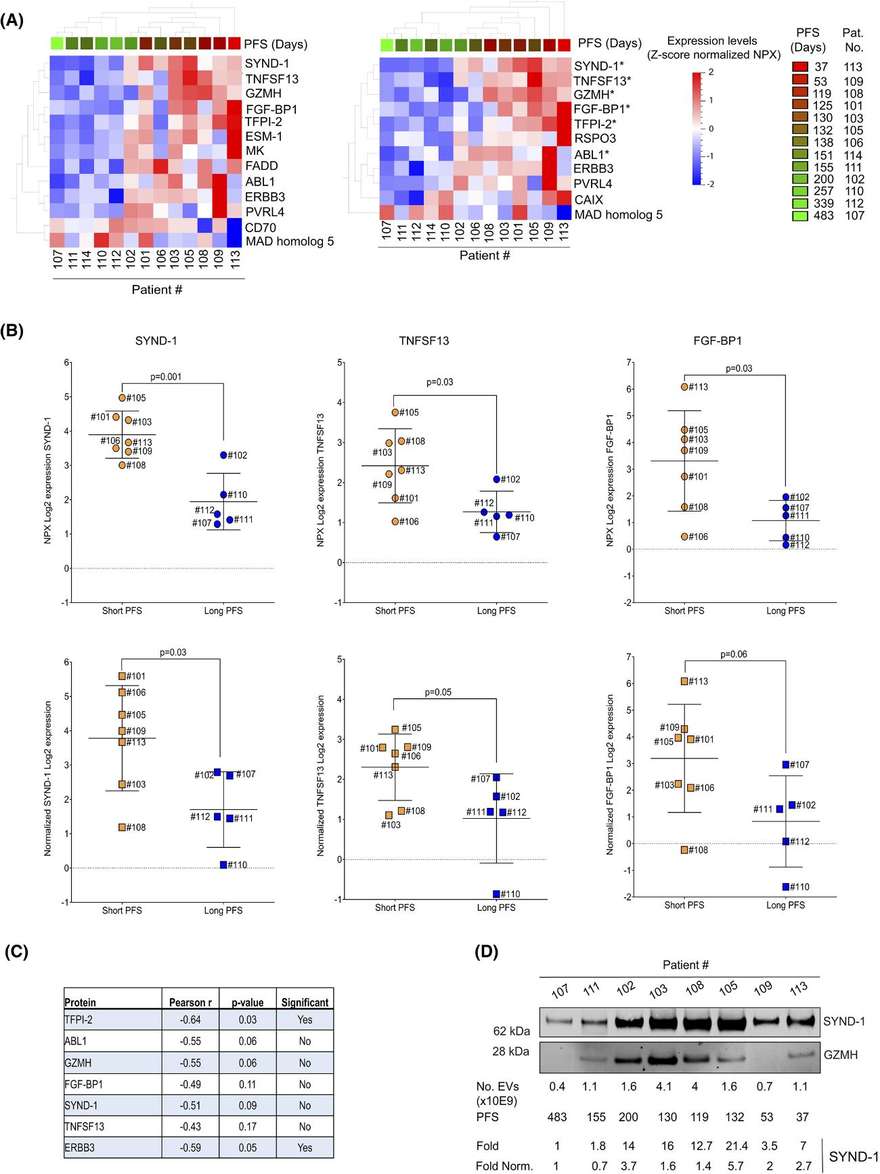
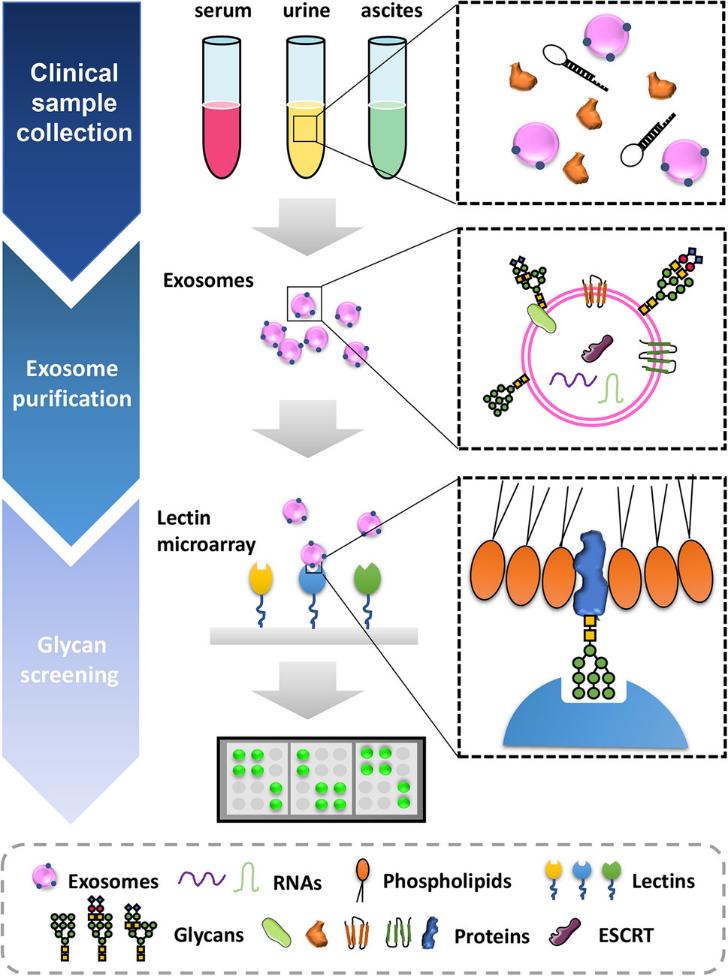
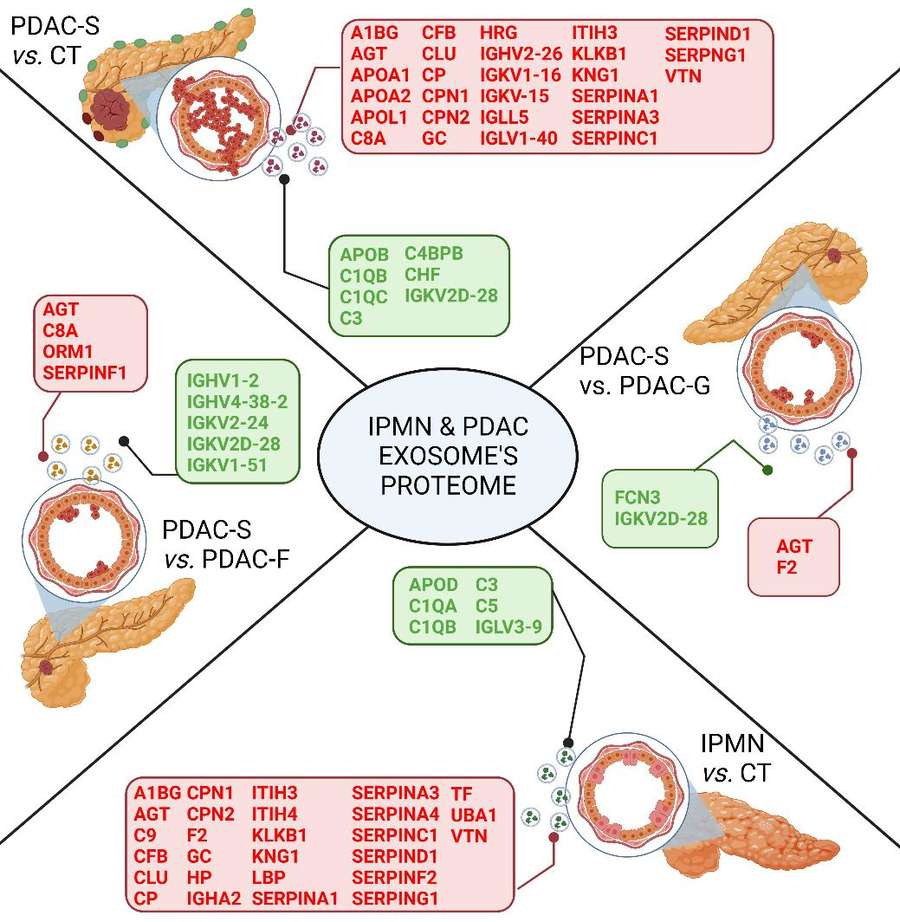 Figure 1. Screening of exosome-derived proteins and their potential as biomarkers in diagnostic and prognostic for pancreatic cancer. (Marin A M, et al., 2023)
Our Exosome Biomarker Protein Screening Services
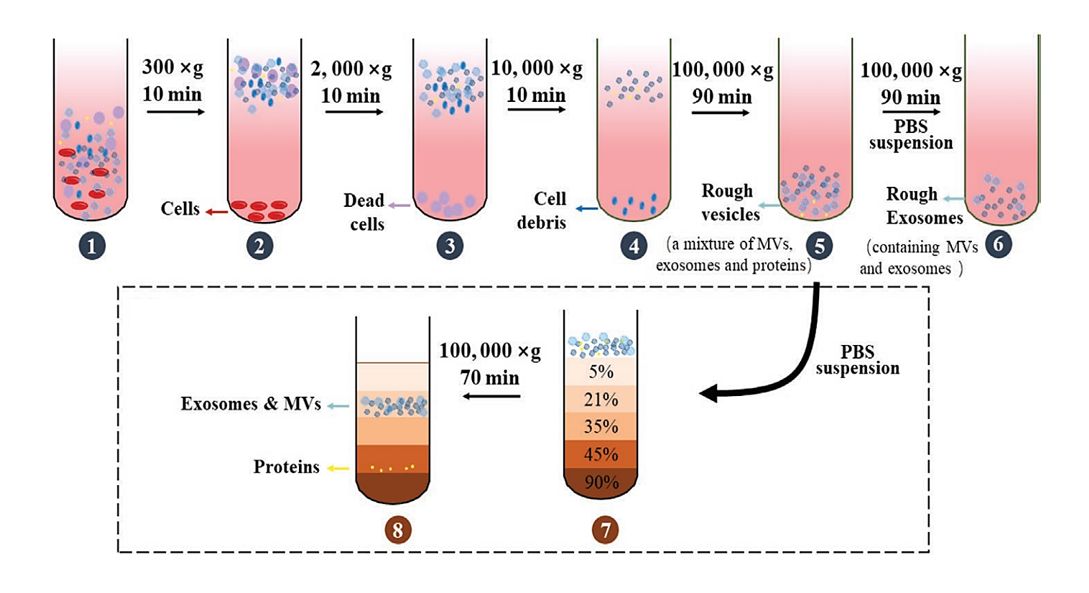
Our exosome biomarker protein screening Service provides an end-to-end solution for the discovery and validation of disease-relevant protein biomarkers from exosomes. Beginning with optimized protocols for exosome isolation and purification from your provided samples (such as plasma, urine, or cell culture supernatant), we ensure the integrity and purity of your vesicles. Our advanced high-sensitivity mass spectrometry platforms then enable deep, comprehensive profiling of the exosomal proteome.
The true power of our service lies in the integrated bioinformatics analysis. We go beyond simple protein identification to deliver:
- Precise quantification of protein expression levels.
- Comparative analysis to identify significantly differentially expressed proteins between experimental groups.
- In-depth functional annotation, including GO and KEGG pathway enrichment, to uncover the biological implications of your findings.
- Biomarker prioritization based on statistical significance and biological relevance.
Workflow of Exosome Biomarker Protein Screening
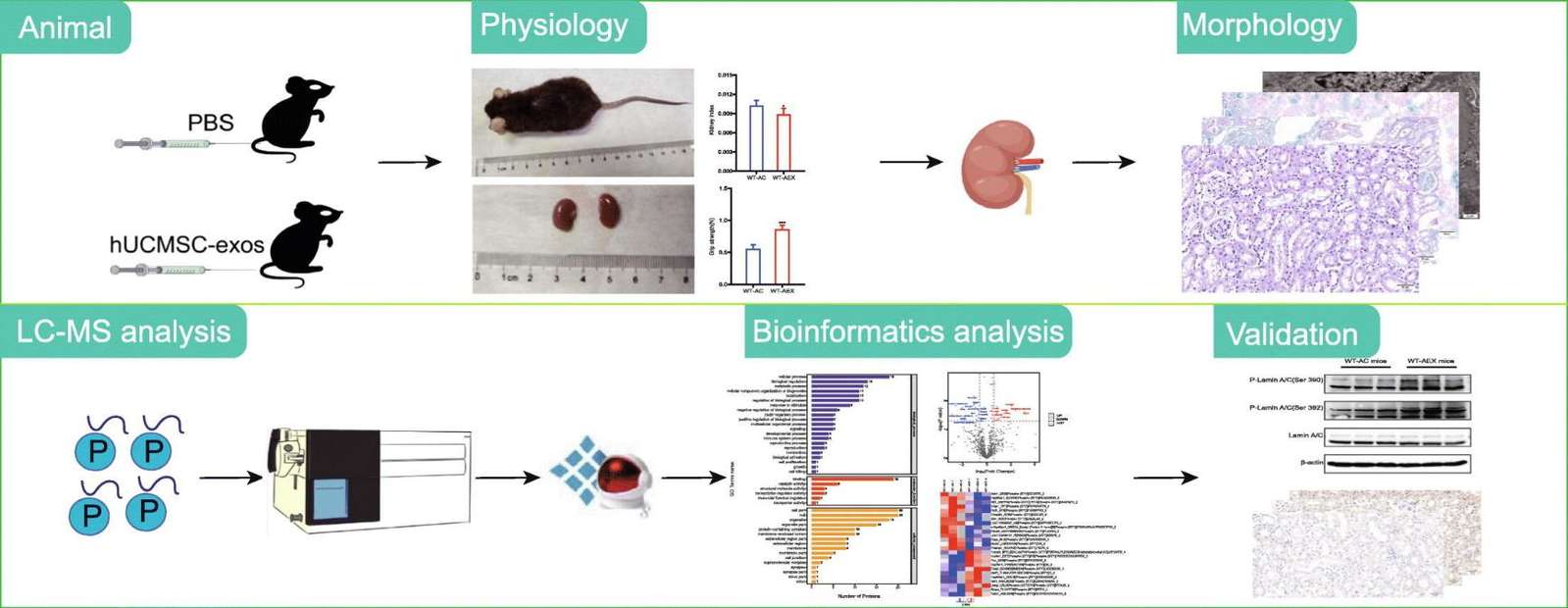
Our exosome biomarker protein screening service provides a complete solution from sample processing to data analysis, delivering high-quality results for your research needs.
Exosome Isolation & Purification
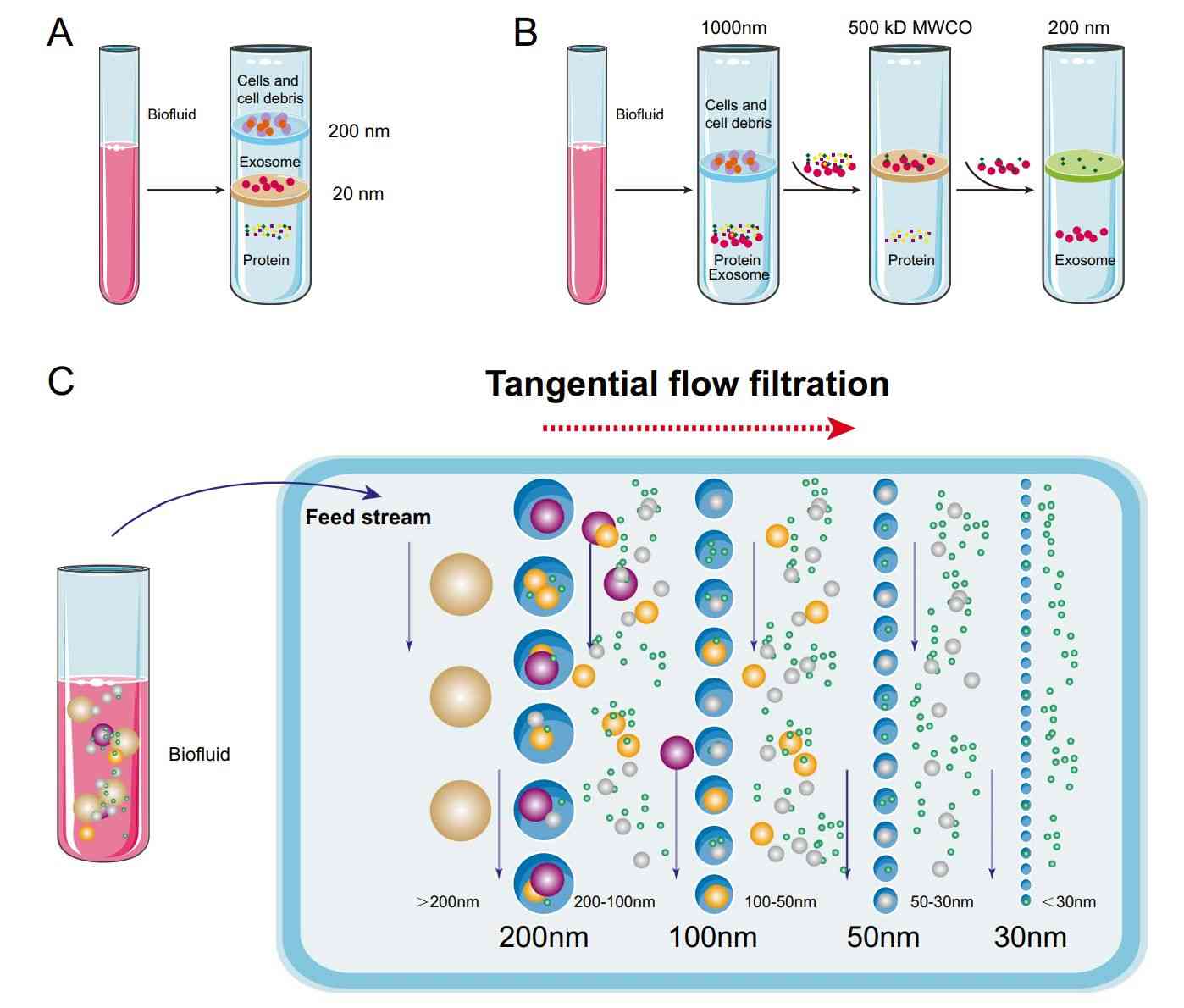
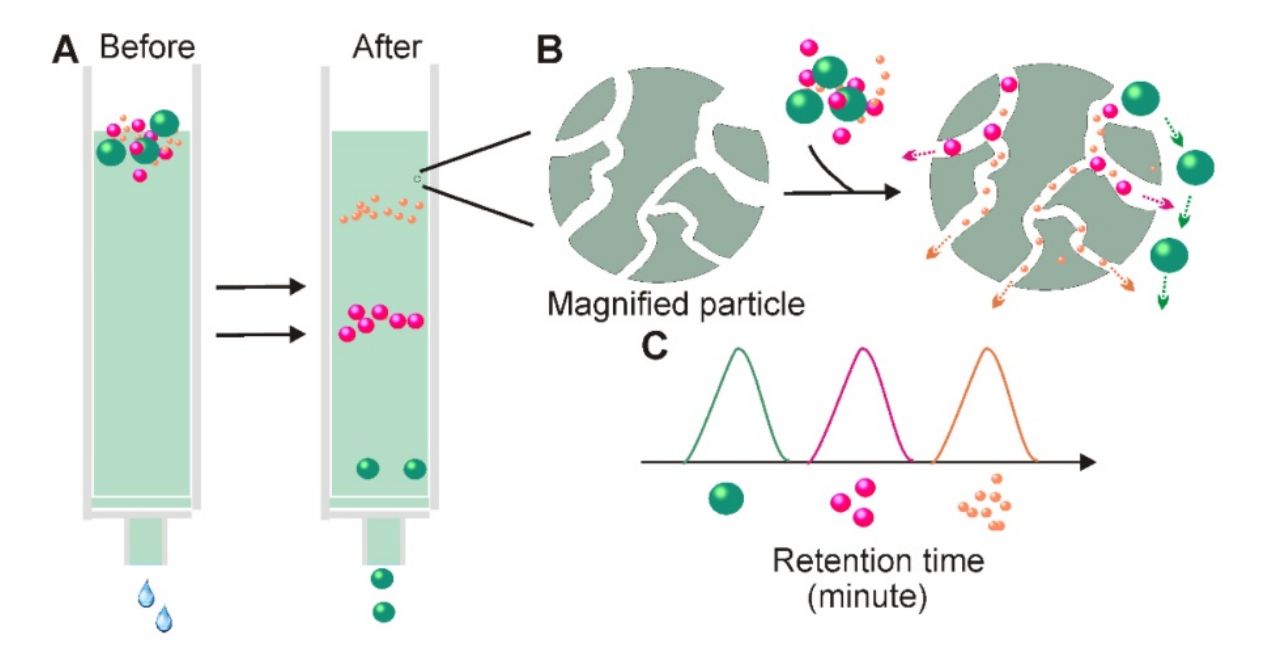
Advanced isolation techniques including ultracentrifugation, size-exclusion chromatography, and immunoprecipitation for high-purity exosome enrichment.
- High-yield isolation process
- Contamination control
- QC validation of exosome markers
Protein Extraction & Quantification
Efficient protein extraction from exosomes with accurate quantification using advanced methods for downstream proteomic analysis.
Proteomic Profiling
State-of-the-art mass spectrometry-based proteomics to identify and quantify thousands of proteins in exosome samples with high precision.
Bioinformatics Analysis
Comprehensive data analysis including protein annotation, pathway enrichment, and statistical analysis to identify potential biomarkers.
Validation Services
Targeted validation of candidate biomarkers using techniques such as Western blotting, ELISA, and immunohistochemistry.
Comprehensive Reporting
Detailed reports with methodology, raw data, analyzed results, and expert interpretation to support your research publications.
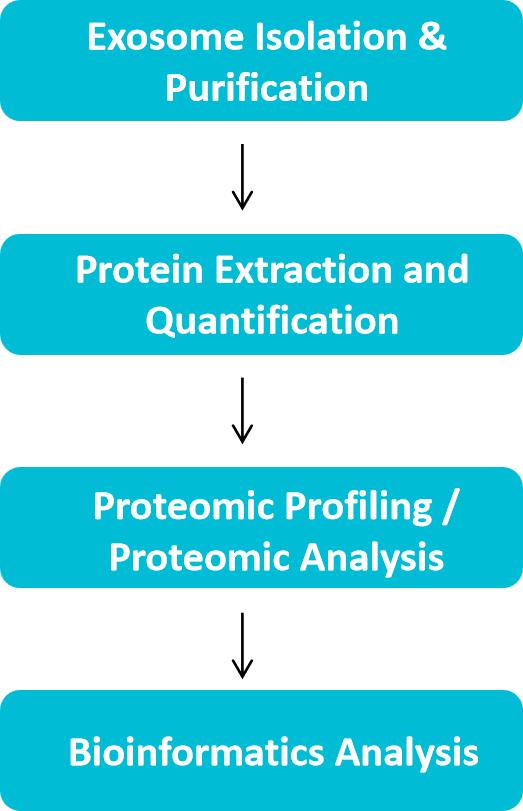 Figure 2. Workflow of exosome biomarker protein screening services. (Creative Biostructure)
Case Study
Case: Serum-Derived Exosomal Proteins Screen for Potential Candidate Biomarkers of Hepatocellular Carcinoma
Background
Hepatocellular carcinoma (HCC) is the most common form of hepatic malignancies. The diagnosis of HCC remains challenging due to the low sensitivity and specificity of the diagnostic method. Exosomes, which are abundant in various proteins from parent cells, play pivotal roles in intercellular communication and have been confirmed as promising sources of disease biomarkers. Herein, we performed a simple but robust proteomic profiling on exosomes derived from 1 μL of serum using a data-independent acquisition (DIA) method for the first time, to screen potential biomarkers for the diagnosis of HCC.
Methods
- Exosome Isolation and Protein Extraction
Exosomes were isolated from serum using TiO2 enrichment technology.
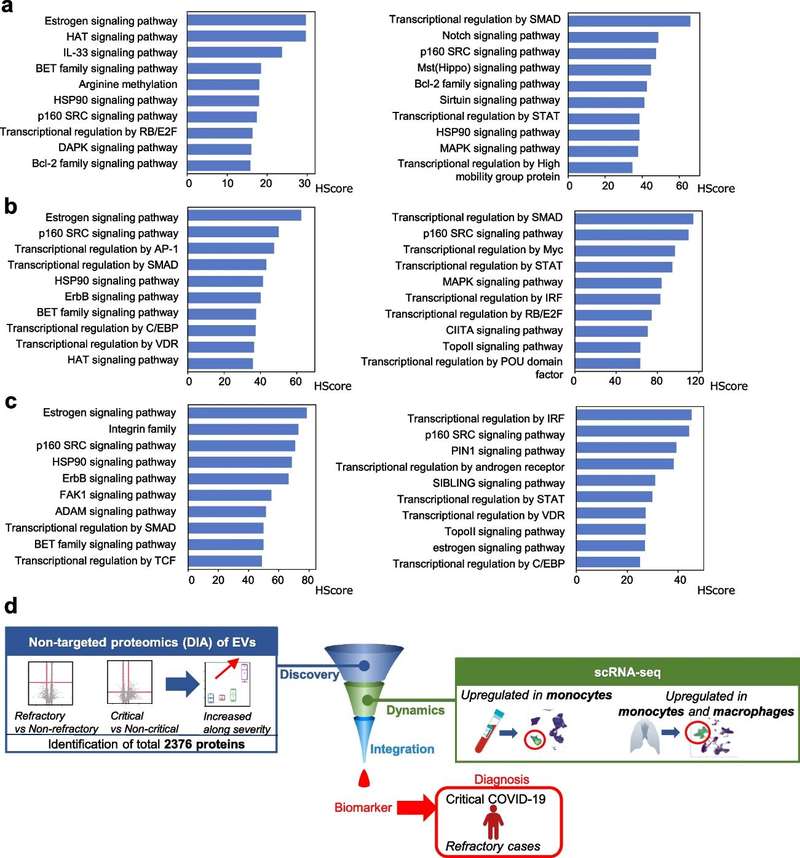
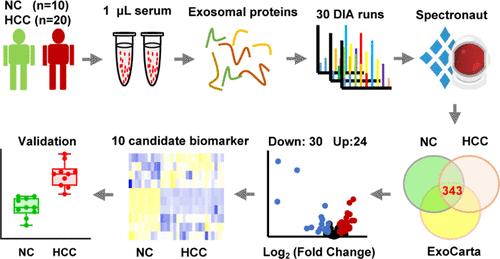 Figure 3. Ten exosomal proteins were screened as potential candidate biomarker panels for detecting HCC.
- Protein Digestion
Exosomal proteins were digested with the filter aided sample preparation (FASP) method after reduced with 5 mM dithiothreitol (DTT) and alkylated with 10 mM iodoacetamide (IAA).
- DDA Mass Data Acquisition
Fractionated peptide samples were acquired with DDA mode on a Q Exactive HF-X mass spectrometer equipped with UltiMate 3000 high-pressure liquid chromatography (UHPLC) system, with a homemade capillary column.
- Spectral Library Generation
For the generation of the spectral library, DDA raw data were analyzed with Spectronaut software and a mass spectrometer vendor-independent software from Biognosys.
- DIA Mass Data Acquisition and Analysis
DIA mass acquisition was performed with the same mass spectrometer, LC system, and nonlinear gradient as DDA, as described above.
- Statistical and Functional Analysis
The difference of identified proteins between NC and HCC was evaluated by a one-way ANOVA test.
Conclusion
Ten pivotal differentially expressed proteins (DEPs) (von Willebrand factor (VWF), LGALS3BP, TGFB1, SERPINC1, HPX, HP, HBA1, FGA, FGG, and FGB) were screened as a potential candidate biomarker panel, which could completely discriminate patients with HCC from normal control (NC).
Creative Biostructure offers high-sensitivity, high-throughput exosome protein screening services to help clients precisely capture key biomarkers for disease diagnosis, therapeutic target development, and mechanism research. Contact us for more details, we are dedicated to serving you.
References
- Zhao L, Shi J, Chang L, et al. Serum-derived exosomal proteins as potential candidate biomarkers for hepatocellular carcinoma. ACS omega. 2021, 6(1): 827-835.
- Marin A M, Batista M, Korte de Azevedo A L, et al. Screening of exosome-derived proteins and their potential as biomarkers in diagnostic and prognostic for pancreatic cancer. International journal of molecular sciences. 2023, 24(16): 12604.
Frequently Asked Questions
For any inquiries, our support team is ready to help you get technical support for your research and maximize your experience with Creative Biostructure.