
Exosome Engineering and Customization Services for Precision-Designed Vesicles
Creative Biostructure engineers exosomes from the outside in: functionalizing surfaces for receptor-specific targeting, loading cargoes with high retention, tagging vesicles for real-time tracking, constructing biomimetic hybrids, and developing fully customized platforms tailored to your research application.
Exosome Solutions for Your Proceeding Research
Download Brochure
Trusted by Research Institutions and Biopharma Pioneers Worldwide
From early-stage academic discovery to preclinical programs, our exosome engineering platform supports clients at every scale. We have partnered with leading institutions and industry innovators to accelerate the development of next-generation exosome-based therapeutics and diagnostics.






What Is Exosome Engineering?
Exosome engineering involves modifying native exosomes—physically, chemically, biologically, or genetically—to enhance their functionality. While unmodified exosomes offer biocompatibility and natural cell communication, they lack the target specificity, cargo capacity, and trackability required for advanced drug delivery and diagnostics.
Exosome engineering is done across several key areas:
- Surface Modification: Attach ligands, antibodies, or PEG to target specific receptors with minimal off-target effects.
- Cargo Loading: Introduce therapeutic nucleic acids, proteins, or small molecules to convert exosomes into effective delivery vehicles.
- Labeling: Use fluorescent, magnetic, or biotin tags for real-time tracking and multimodal imaging.
- Hybrid Construction: Fuse exosomes with liposomes, polymers, or nanoparticles for enhanced properties.
These modifications turn exosomes into powerful, programmable tools for targeted therapies and diagnostics.
Five Engineering Pillars, One Integrated Platform
Creative Biostructure's exosome engineering platform is organized around five service pillars. Each pillar can be engaged independently or combined into a fully integrated, end-to-end program. All workflows are governed by defined QC checkpoints and delivered with publication-grade documentation.

By decorating the outer leaflet with targeting ligands, stealth polymers, or genetically displayed proteins, we convert non-selective vesicles into receptor-targeted nanocarriers.

We apply electroporation, sonication, freeze-thaw cycling, extrusion, incubation, and click-chemistry protocols — selected to maximize encapsulation efficiency while preserving cargo bioactivity and vesicle integrity.

Our labeling portfolio includes five modalities, from fluorescent dyes and genetically encoded reporters to PET/SPECT radiolabels and MRI-compatible magnetic tags, offering the best tracer for your imaging needs.

Hybrid vesicles merge the natural cell-communication machinery of exosomes with the tunable physical and chemical properties of liposomes, polymers, or inorganic nanoparticles.

Our service helps build fit-for-purpose exosome platforms, covering producer cell selection, surface/cargo design, scalable manufacturing, and preclinical characterization.
Our Engineering Capability Matrix
The table below summarizes the core technical capabilities across our five engineering pillars, helping project managers and reviewers rapidly assess fit and feasibility.
| Engineering Pillar | Core Technologies | Cargo / Modifier Types | Key Deliverables |
|---|---|---|---|
| Surface Modification | NHS ester coupling, click chemistry (DBCO/azide), maleimide-thiol, streptavidin-biotin, genetic fusion | Targeting peptides, PEG, antibodies (IgG/scFv), aptamers, fusion proteins, cell membrane proteins | Functionalized exosome prep; conjugation efficiency (%); DLS, TEM, Western blot, flow cytometry QC |
| Cargo Loading | Electroporation, sonication, freeze-thaw cycling, extrusion, incubation, saponin-assisted loading | siRNA, miRNA, ASO, mRNA, proteins, peptides, small molecules (hydrophilic/hydrophobic) | Loaded exosome prep; encapsulation efficiency (%); cargo retention stability data; release profile |
| Labeling | Lipophilic dye insertion, NHS-ester chemistry, maleimide conjugation, lentiviral reporter encoding, radiolabeling, streptavidin-biotin biotin labeling | DiI/DiR/PKH dyes, GFP/RFP/Luc reporter proteins, 64Cu/125I radionuclides, Fe₃O₄/SPIO, biotin | Labeled exosome prep; labeling efficiency; in vitro imaging; IVIS/MRI/PET imaging data |
| Hybrid Construction | PEG-mediated fusion, freeze-thaw co-extrusion, sonication-based fusion, electrostatically guided assembly, co-incubation | DOPC/DPPC liposomes, PLA/PLGA polymers, Fe₃O₄ NPs, Au NPs, SiO₂ NPs, cell membrane ghost | Hybrid nanoparticle prep; DLS/TEM/cryo-EM characterization; fusion efficiency (FRET); drug loading/EE% |
| Custom Development | Producer cell engineering, scalable bioreactor culture, multi-step purification (SEC/TFF/DG-UC), multi-platform QC | All modification types; scalable from microgram to milligram batches | Full project report; engineered exosome master batch; complete characterization dossier; GMP-readiness assessment |
Applications of Engineered and Customized Exosomes
Targeted Therapy Development
- • Delivers small molecules, siRNA/miRNA, or mRNA to specific cells.
- • Surface modification or genetic display enables receptor-selective uptake (e.g., tumor, BBB, liver).
- • Enhances efficacy while reducing systemic toxicity in preclinical models.
Immune Modulation & Vaccines
- • Surface display of immune checkpoints, MHC complexes, or antigens for targeted immunotherapy.
- • Cargo loading of immunostimulatory nucleic acids to activate CD8⁺ T cells and reprogram macrophages.
- • Supports dose-sparing and robust antigen-specific immune responses.
Regenerative Medicine
- • MSC-derived or peptide-targeted exosomes deliver miRNAs to repair tissue or rescue infarcted myocardium.
- • Promotes cell regeneration and reduces injury.
- • Can be adapted for organ-specific delivery and personalized regenerative strategies.
Diagnostics & In Vivo Imaging
- • Multimodal labeling enables biodistribution tracking and tumor homing validation.
- • Supports blood-brain barrier, liver, or systemic targeting for preclinical imaging and quantification.
- • Facilitates translational studies, mechanistic research, and real-time monitoring of therapeutic delivery.
By combining surface engineering, cargo loading, and genetic display, researchers achieve precise, cell-specific exosome delivery. Creative Biostructure supports projects from design to preclinical validation.
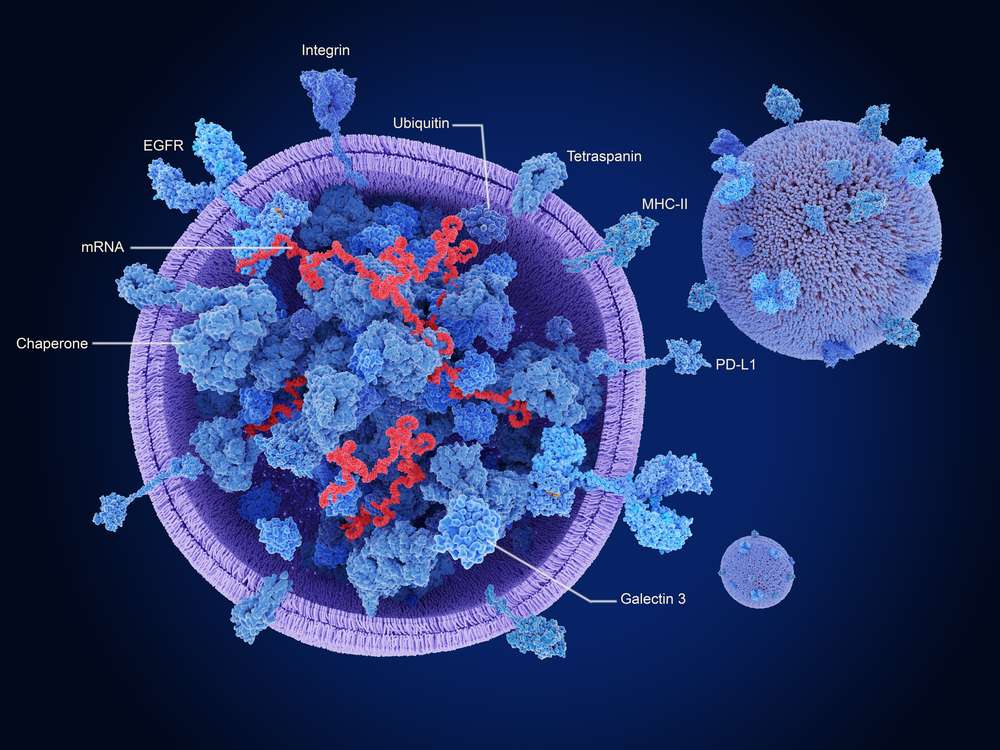
Advanced Exosome Engineering Platform
Our capabilities include click chemistry, electroporation, multimodal imaging labeling, hybrid vesicle assembly, and bioreactor-based production, supported by multi-platform characterization methods such as DLS, TEM, cryo-EM, flow cytometry, IVIS, MRI, and PET analysis. This integrated platform enables flexible engineering of peptides, antibodies, nucleic acids, proteins, small molecules, and nanomaterials with high reproducibility, scalability, and rigorous quality control for preclinical exosome research and translational applications.
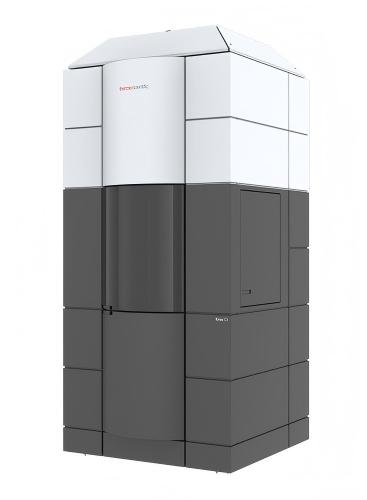
Image Source: Thermo Fisher Scientific
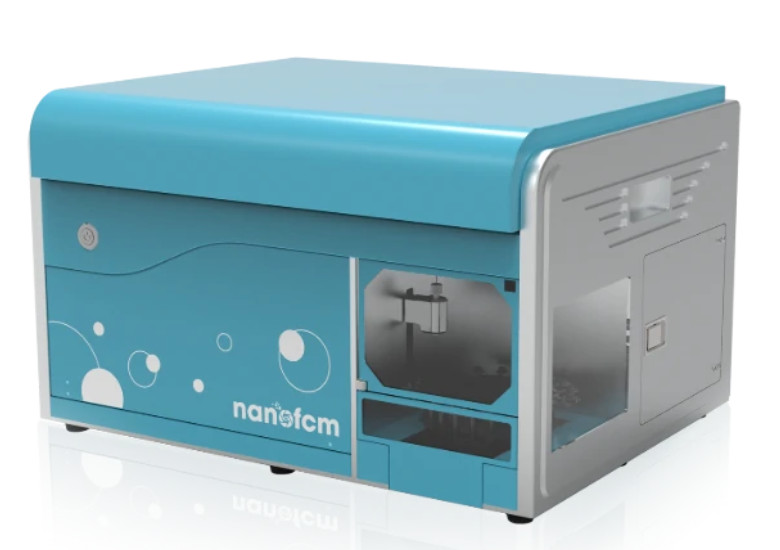
Image Source: NanoFCM
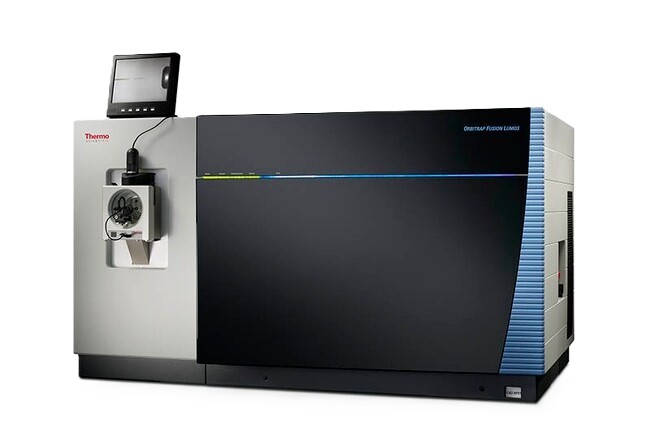
Image Source: Thermo Fisher Scientific
Integrated Exosome Engineering Workflow
At Creative Biostructure, every exosome engineering project follows a streamlined, six-step workflow designed for scientific rigor, reproducibility, and scalable outcomes:
Project Consultation & Feasibility Assessment
Our experts review target applications, cargo type, delivery routes, and technical constraints to propose an optimized engineering strategy.
Experimental Design & Agreement
We develop a detailed Statement of Work covering methods, QC milestones, timelines, and deliverables, finalized with client approval before lab execution.
Exosome Source Preparation & Baseline QC
Producer cells are cultured under optimized conditions, and exosomes are isolated and characterized (size, morphology, and key markers) to establish baseline quality.
Engineering Execution
Surface modification, cargo loading, labeling, or hybrid assembly is performed under controlled conditions, ensuring reproducibility and lot traceability.
Post-Engineering QC & Functional Validation
Engineered exosomes undergo standardized QC and optional functional assays (cellular uptake, in vitro efficacy) to confirm successful modification and bioactivity.
Data Analysis, Reporting & Delivery
All results are compiled into a structured report, and engineered exosomes are shipped with optional SOPs and scale-up support.
Starting a Project with Creative Biostructure
Sample Requirements
We accept diverse sample types for exosome engineering:
- • Cell culture medium: 200-500 mL, serum-free or EV-depleted; <90% confluent at harvest
- • Pre-isolated exosome pellet: 50-200 µg protein (NTA-confirmed); resuspend in PBS ± 10% glycerol
- • Plasma / serum: 5-10 mL EDTA plasma; avoid hemolysis, freeze at −80°C within 1 h
- • Urine / CSF: 10-50 mL urine, 1-3 mL CSF; protease inhibitors recommended
- • Client-provided cargo: siRNA, protein, or small molecule; include purity certificate and storage info
Ship all samples on dry ice and avoid repeated freeze-thaw cycles.
Deliverables
All projects include:
- • Engineered exosome preparation: aliquoted, frozen vials
- • Comprehensive project report
- • Raw data files
- • Post-engineering QC summary
Optional or project-specific deliverables:
- • TEM / Cryo-EM images
- • Bioinformatics analysis (cargo-seq)
- • Method transfer SOP
- • Scale-up consultation
Featured Exosome Engineering Case Studies
Case: Exosome-Lipid Hybrid Nanoparticles for siRNA Delivery
Background
Systemic siRNA delivery is limited by nuclease degradation, poor uptake, and off-target accumulation. This study developed exosome-lipid hybrid nanoparticles (ELNs) to combine exosome-mediated tumor targeting with the strong cytosolic delivery capacity of lipid nanoparticles.
Methods
Exosomes from multiple cancer cell lines were fused with siRNA-loaded lipid nanoparticles using freeze-thaw or sonication methods. A Box-Behnken Design was applied to optimize formulation parameters, including particle size and fusion efficiency. ELNs were evaluated by FRET, DLS, NTA, TEM, marker analysis, gene knockdown assays, macrophage phagocytosis tests, and tumor-bearing mouse models.
Results
Optimized freeze-thaw ELNs achieved high fusion efficiency, siRNA encapsulation, and particle sizes below 170 nm while preserving exosomal markers. ELNs showed stronger cellular uptake than conventional LNPs, enabled over 80% knockdown of CD24, CD44, and CD47, and enhanced macrophage phagocytosis. In vivo, ELNs improved tumor accumulation, reduced liver tropism, and significantly inhibited tumor growth without obvious systemic toxicity.
Conclusion
This study demonstrates that optimized exosome-lipid hybrid nanoparticles can improve siRNA loading, tumor-targeted delivery, and functional gene silencing, supporting their use as a promising research platform for RNA delivery studies.
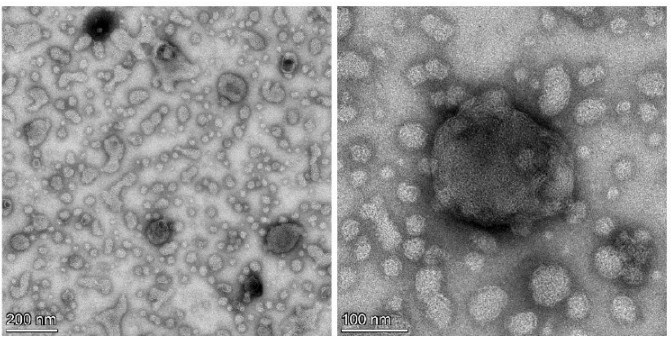
TEM Characterization of 4T1-Derived Exosome-Lipid Hybrid Nanoparticles. (Abdel-Bar H M, et al., 2025)
Why Choose Our Exosome Engineering and Customization Services
Creative Biostructure uniquely offers all five engineering pillars under one quality-managed, multidisciplinary team.
Comprehensive Five-Pillar Platform
Surface modification, cargo loading, labeling, hybrid construction, and custom development services are all integrated within a single facility, enabling seamless multi-pillar programs without subcontracting delays.
MISEV-Aligned Characterization
Every exosome batch is characterized according to MISEV minimal criteria, with optional extended panels for regulatory-facing projects.
Method Validation & QC Transparency
All engineering methods are SOP-controlled and subject to defined acceptance criteria. Raw QC data — not just summary tables — are included in every project report.
Multi-Cargo & Multi-Modification Capability
We routinely co-load two or more cargoes and co-apply surface modifications in the same batch, supporting the complex multi-functional platforms increasingly demanded by combination programs.
"We engaged Creative Biostructure for an aptamer-modified, siRNA-loaded exosome program targeting GBM. The scientific team understood the nuances of BBB delivery immediately and delivered a fully QC batch with functional knockdown data within five weeks."
– Dr. Lena Fischer, Principal Investigator, Neuro-Oncology, University Medical Center
"The hybrid exosome construction service exceeded our expectations in fusion efficiency and dual-cargo retention. Creative Biostructures team proposed an extrusion-based fusion protocol that outperformed our internal PEG method. The cryo-EM images in the report were publication quality."
– Dr. Samuel Park, Senior Scientist, Nanomedicine, Biotech Innovation Institute
"We needed reliable fluorescent and magnetic dual-labeled exosomes for a biodistribution study in a metastasis model. The labeling efficiency data, SEC validation, and the side-by-side IVIS and MRI dataset they provided saved us at least three months of internal development time."
– Prof. Maria Souza, Head of Drug Delivery Research, Institute of Pharmacology