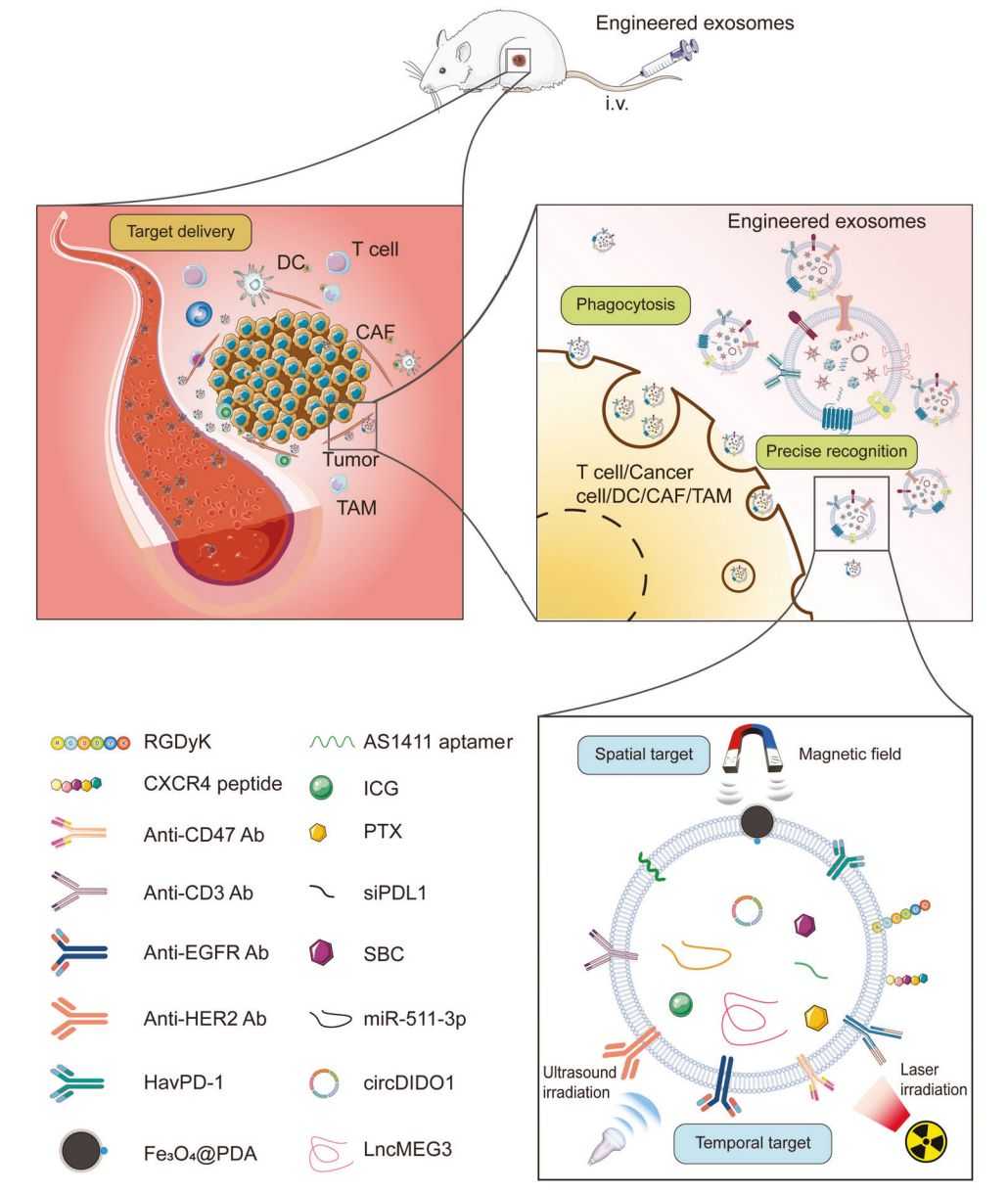
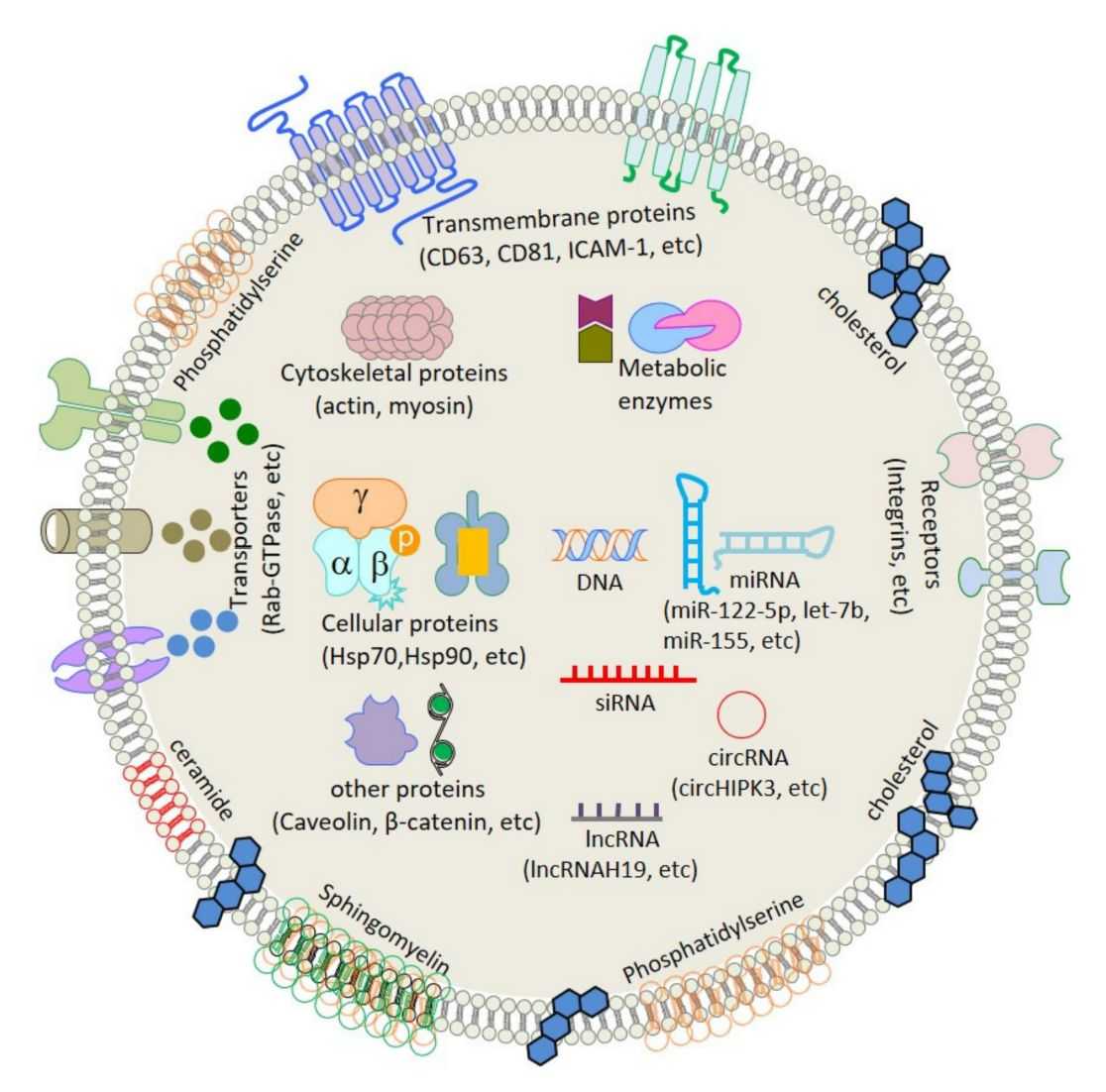
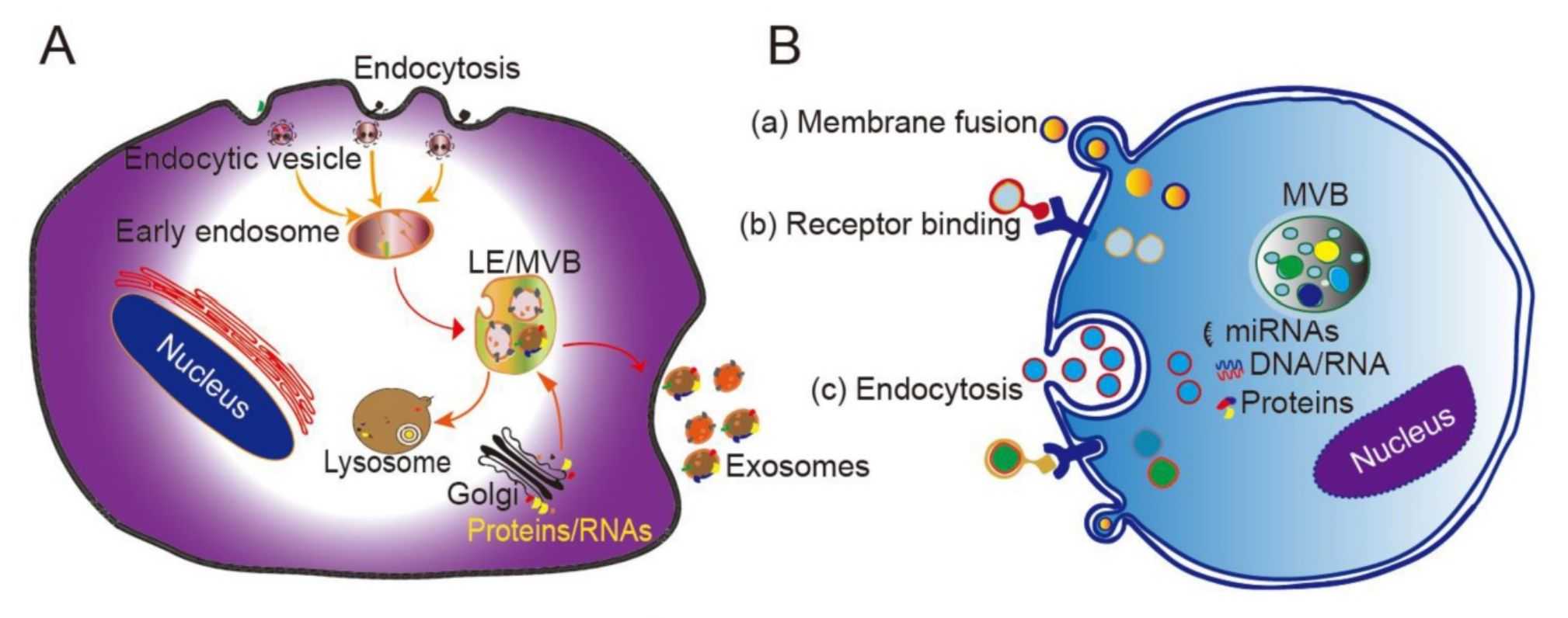
Exosome Surface Modification Service with Antibodies
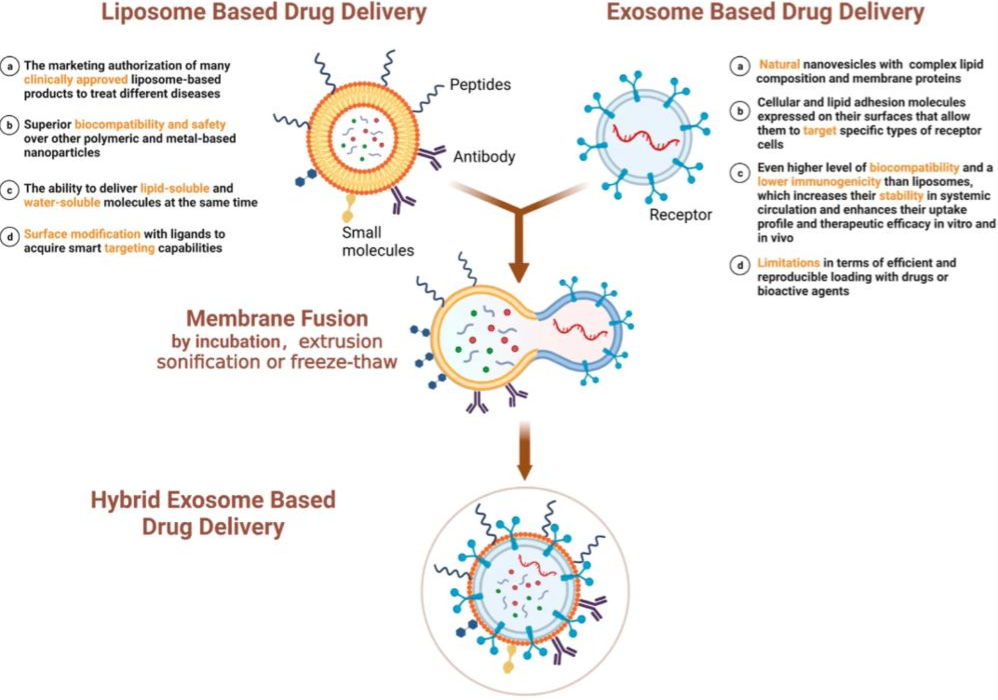
Exosome surface modification with antibodies is a powerful strategy to enhance the targeting specificity and functional versatility of extracellular vesicles (EVs). By conjugating antibodies or antibody fragments onto the exosome membrane, researchers can achieve receptor-specific recognition, improved cellular uptake, and controlled interaction with target cells.
At Creative Biostructure, we provide customized antibody-based exosome surface engineering services using a range of validated conjugation and display technologies. Our solutions support diverse research applications, including targeted delivery studies, immuno-oncology research, and biomarker-specific investigations.
Why Antibody-Based Exosome Surface Modification
Although exosomes possess intrinsic biocompatibility and natural communication capabilities, their native targeting properties are often insufficient for precise applications. Antibody functionalization enables controlled and highly specific targeting.
Key advantages include:
- High specificity toward target cell receptors (e.g., HER2, EGFR, PD-L1)
- Enhanced cellular uptake via receptor-mediated endocytosis
- Improved targeting efficiency in complex biological environments
- Flexible adaptation to different research models and targets
This approach is widely used in studies requiring precise delivery, selective cell interaction, or targeted functional analysis.
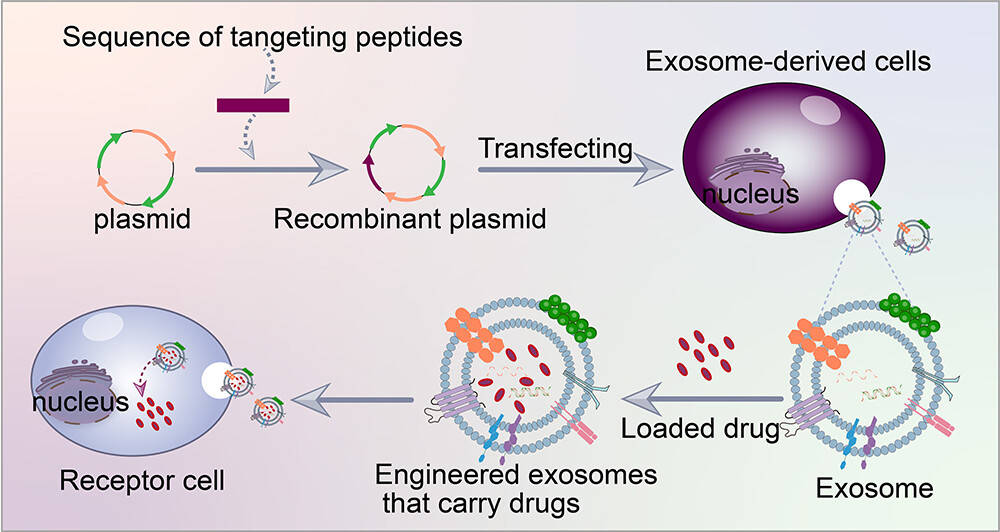
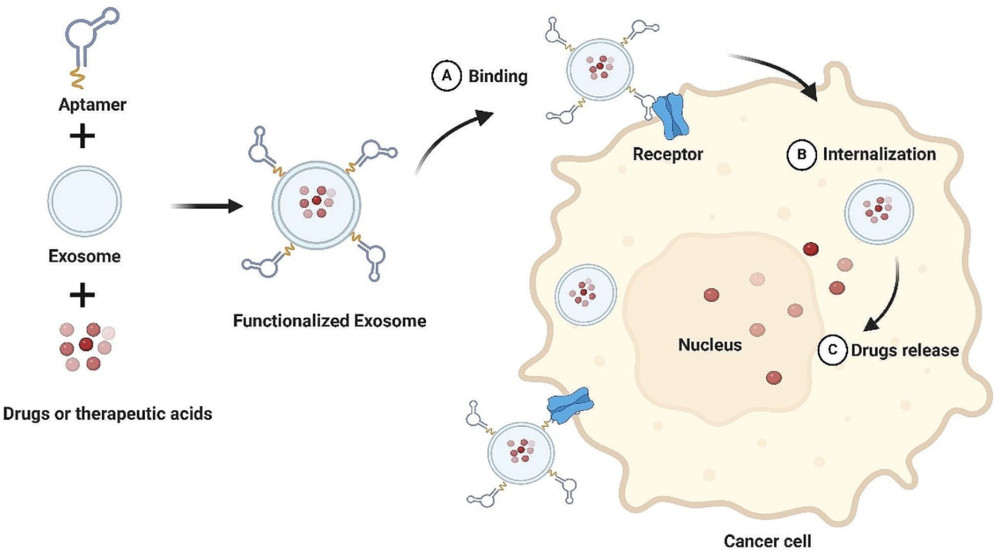
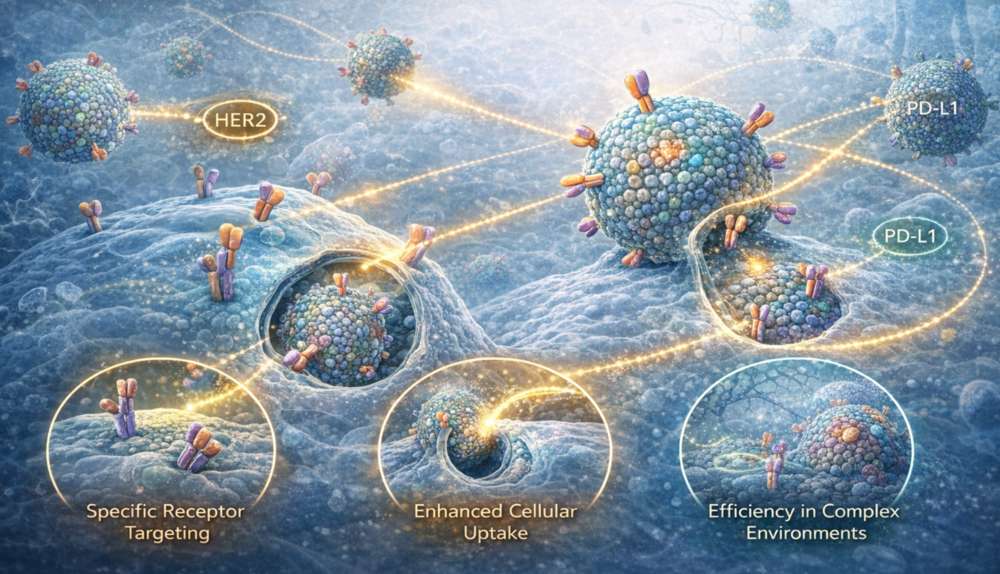 Figure 1. Antibody-Engineered Exosomes for Targeted Cellular Interaction and Uptake. (Creative Biostructure)
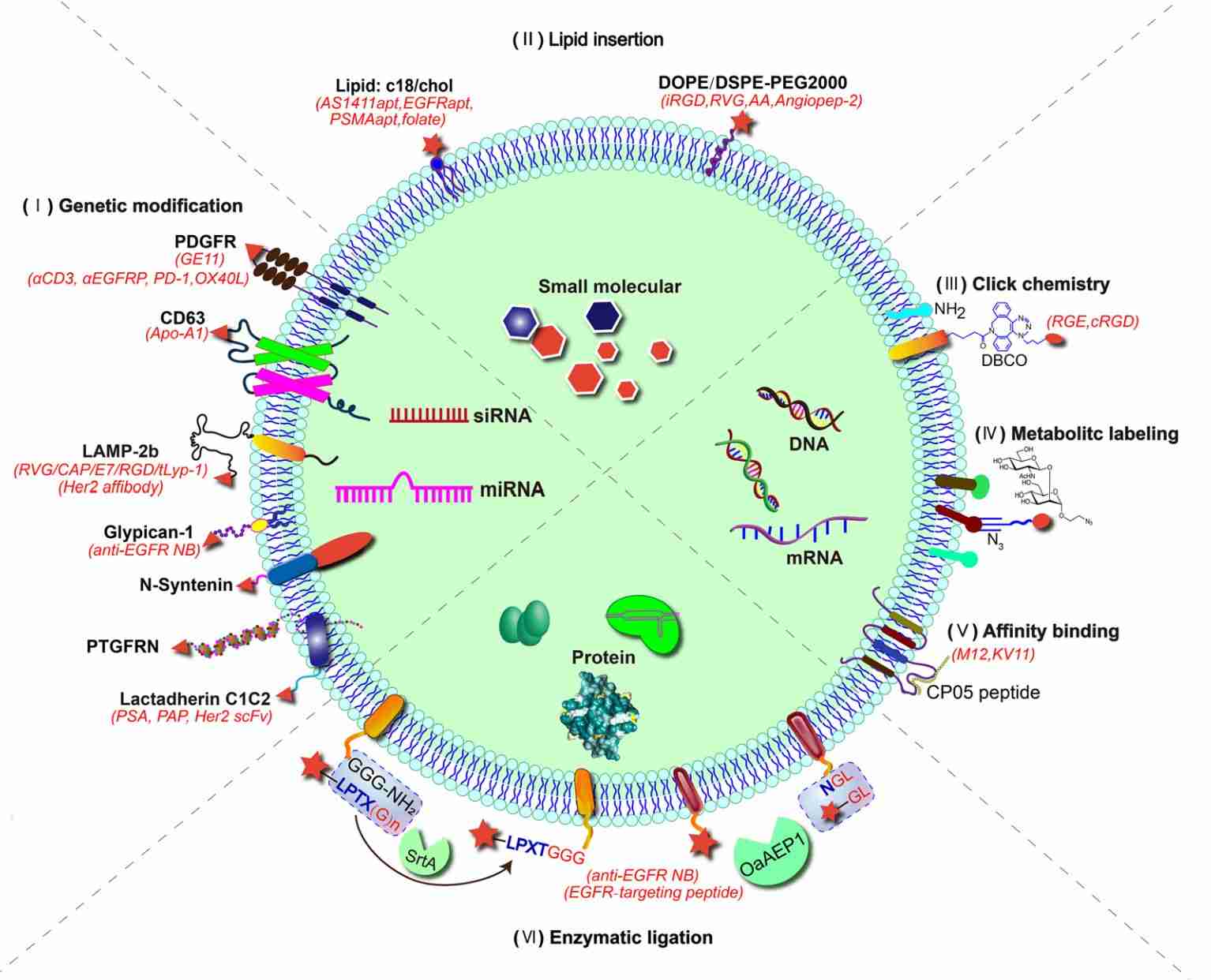
Our Antibody-Conjugated Exosome Engineering Strategies
We offer multiple surface modification strategies tailored to your antibody type, target, and downstream application.
Covalent Conjugation (Chemical Coupling)
- EDC/NHS-mediated amide bond formation
- Click chemistry for site-specific conjugation
- Maleimide-thiol coupling for controlled orientation
Non-Covalent Surface Anchoring
- Protein A/G-mediated antibody binding
- Lipid-based insertion for membrane anchoring
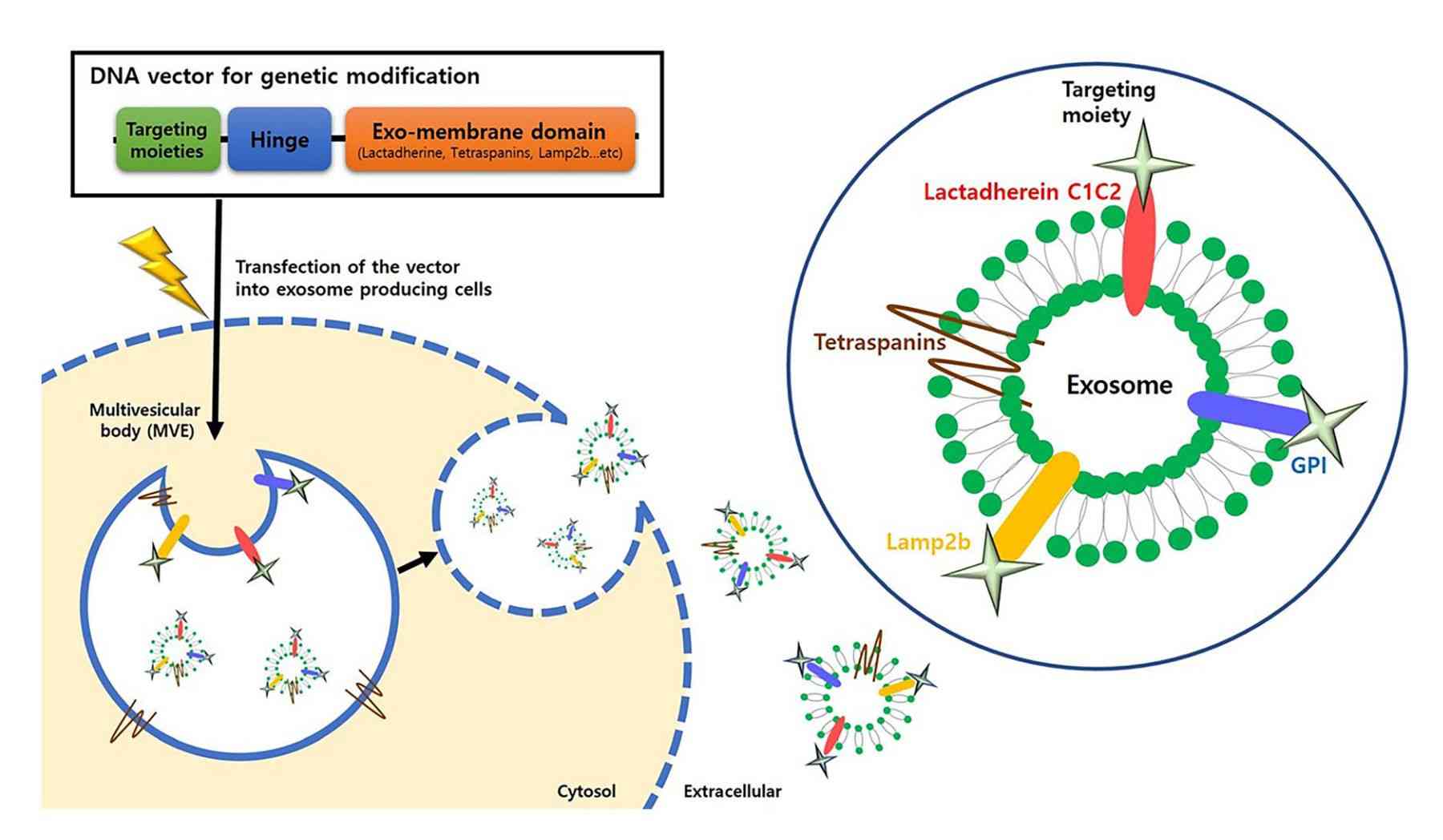
Genetic Engineering-Based Display
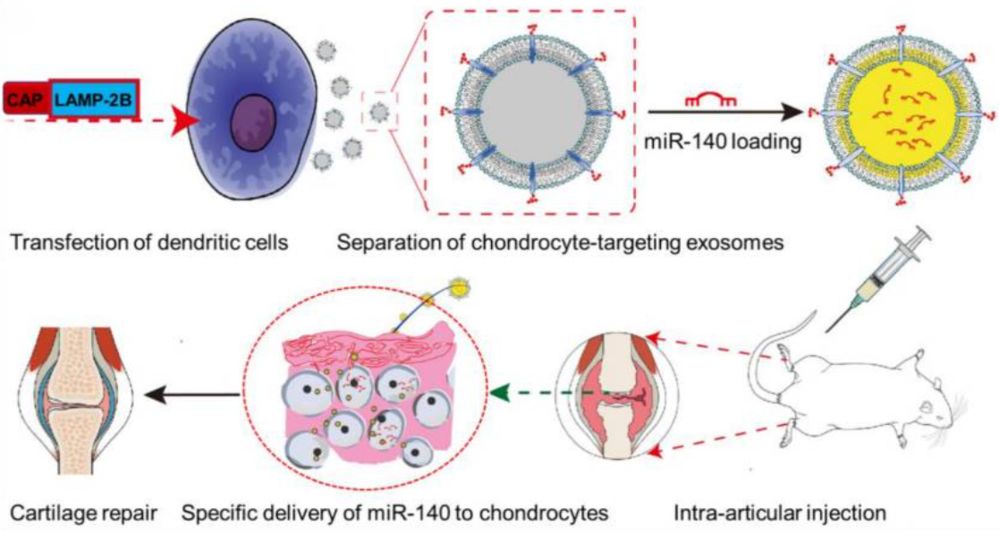
- Fusion with exosomal membrane proteins (e.g., Lamp2b, CD63, CD81)
- Stable expression systems for endogenous display
Antibody Fragment Engineering
- Single-chain variable fragments (scFv)
- Fab fragments
Strategy selection is guided by antibody structure, desired orientation, stability requirements, and functional objectives.
Workflow of Antibody-Modified Exosome Development
Our streamlined workflow ensures reproducibility and high-quality outcomes:
Project Consultation & Target Analysis
Evaluation of target receptors, antibody formats, and application goals
Antibody Selection & Validation
Selection or engineering of suitable antibodies or fragments
Conjugation Strategy Design
Optimization of surface modification approach
Surface Modification Execution
Controlled conjugation under optimized conditions
Purification & Isolation
Removal of free antibodies and impurities
Comprehensive Characterization & Validation
Structural and functional verification
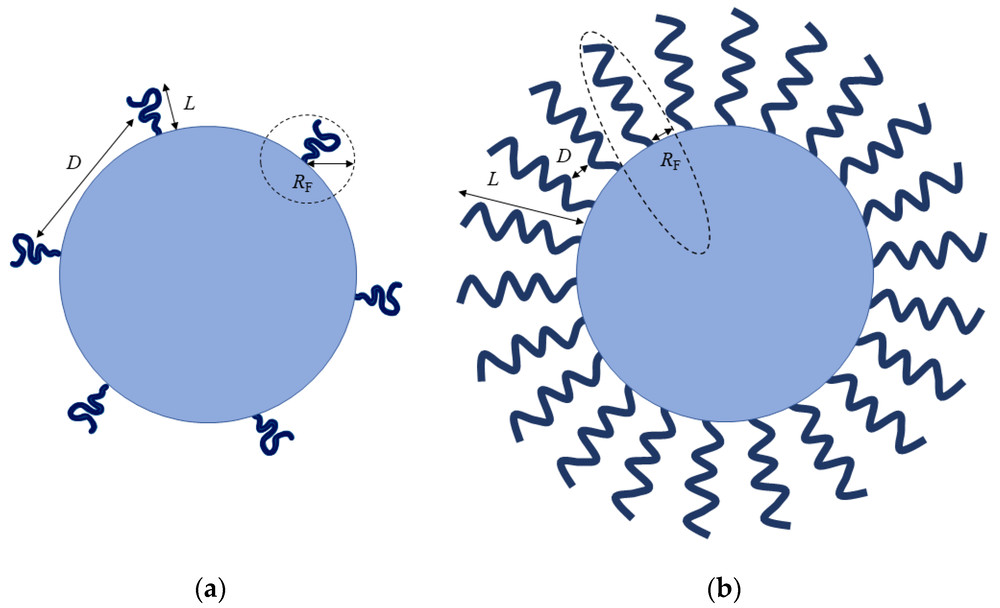
 Figure 2. Antibody-Conjugated Exosome Surface Modification Workflow. (Creative Biostructure)
Characterization and Quality Control
We perform rigorous quality assessment to ensure consistency and functionality:
- Particle size and distribution (NTA, DLS)
- Morphology analysis (TEM or Cryo-EM)
- Surface antibody verification: Western blot, Flow cytometry, ELISA
- Binding affinity analysis
- Cellular uptake and interaction studies
These analyses confirm successful conjugation and functional performance.
Applications of Antibody-Modified Exosomes
Antibody-functionalized exosomes are widely used in advanced research applications:
- Targeted delivery and uptake studies
- Precision oncology research
- Immunotherapy-related investigations
- Biomarker-specific targeting and validation
- Blood-brain barrier transport studies
- Cell-type selective interaction analysis
How to Start Your Project
We offer flexible project entry options:
| Option 1: Client-Provided Materials |
|
| Option 2: Full-Service Workflow |
|
Projects can start from early-stage concepts or well-defined materials. Our team will guide you through experimental design and execution.
What Deliverables Will You Receive
| Deliverable | Description |
|---|---|
| Antibody-modified exosomes | Customized surface-functionalized exosome preparation |
| Characterization report | Size, morphology, and surface validation data |
| Conjugation efficiency data | Quantitative analysis of antibody attachment |
| Functional validation results | Binding and/or uptake performance data |
| Experimental summary | Method overview for reproducibility |
Why Choose Creative Biostructure
- Multiple validated conjugation technologies
- Support for full antibodies and engineered fragments
- High reproducibility and batch consistency
- Flexible project design for early-stage research
- Integration with exosome cargo loading and other exosome engineering services
- Experienced scientific team with CRO project support
Case Study
Case: Stable Antibody Anchoring Enhances Exosome Targeting
Background
Antibody-modified exosomes are widely used for receptor-specific targeting, but different surface engineering strategies can lead to distinct functional outcomes, especially in complex biological environments.
Methods
In this study, red blood cell-derived extracellular vesicles were functionalized with the anti-EGFR antibody cetuximab using two different strategies:
- Covalent surface conjugation via biorthogonal click chemistry
- Physical adsorption forming an antibody-containing surface corona
Both preparations were characterized for morphology, surface loading, EGFR binding, and cellular uptake.
Results
While both formats showed effective EGFR binding, only covalently conjugated exosomes maintained enhanced cellular uptake under serum conditions. Physically adsorbed antibodies exhibited reduced stability due to surface exchange effects in protein-rich environments.
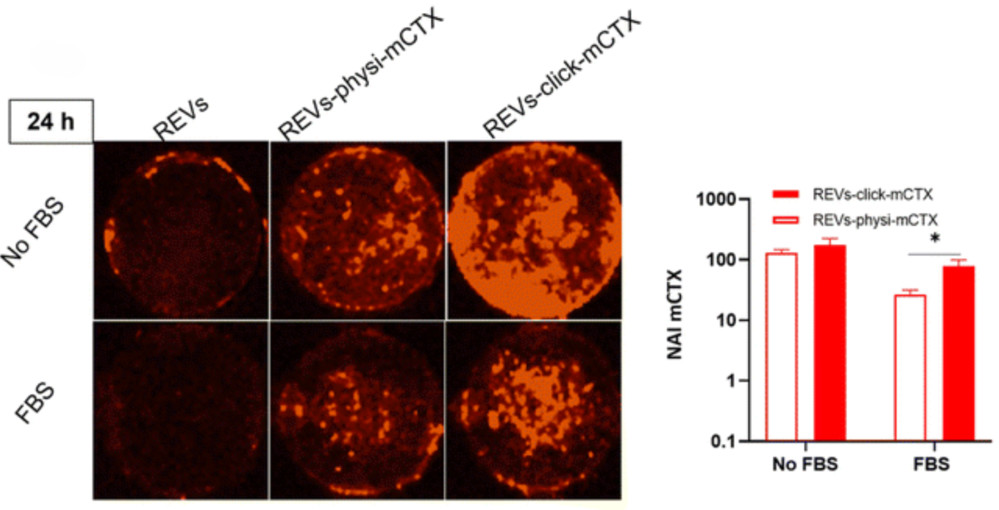 Figure 3. Comparison of covalent and adsorbed antibody exosomes showing improved uptake in cells with serum at 24 hours. (Musicò A, et al., 2023)
Conclusion
This study demonstrates that stable antibody anchoring is critical for reliable targeting performance. Covalent surface modification provides improved functional robustness compared to non-covalent approaches in biologically relevant conditions.
Looking to develop antibody-targeted exosomes for your research? Our experts will design a tailored solution based on your specific targets and experimental goals. Contact us today to discuss your project and accelerate your exosome engineering workflow.
References
- Musicò A, Zenatelli R, Romano M, et al. Surface functionalization of extracellular vesicle nanoparticles with antibodies: A first study on the protein corona “variable”. Nanoscale Advances. 2023, 5(18): 4703-4717.
Frequently Asked Questions
For any inquiries, our support team is ready to help you get technical support for your research and maximize your experience with Creative Biostructure.